
Why This Is the Season Locals Love Most
When most people dream about Tuscany, they picture golden wheat fields, rows of cypress trees, vineyards glowing in the summer sun, and long lunches enjoyed beneath blue skies. It's the classic image we've all come to know, and for good reason. Tuscany is undeniably beautiful in summer.
But there's another side to the region that visitors often miss.
In my recent conversation with cookbook author Amber Guinness about her beautiful new book Winter in Tuscany: Cozy Recipes and the Quanto Basta Way, she shared a completely different vision of Tuscany. Having grown up there, she doesn't associate home with sunflowers and cicadas. Instead, she remembers misty mornings, roaring fireplaces, steaming bowls of soup, and the comforting dishes that filled her family's kitchen throughout the colder months.
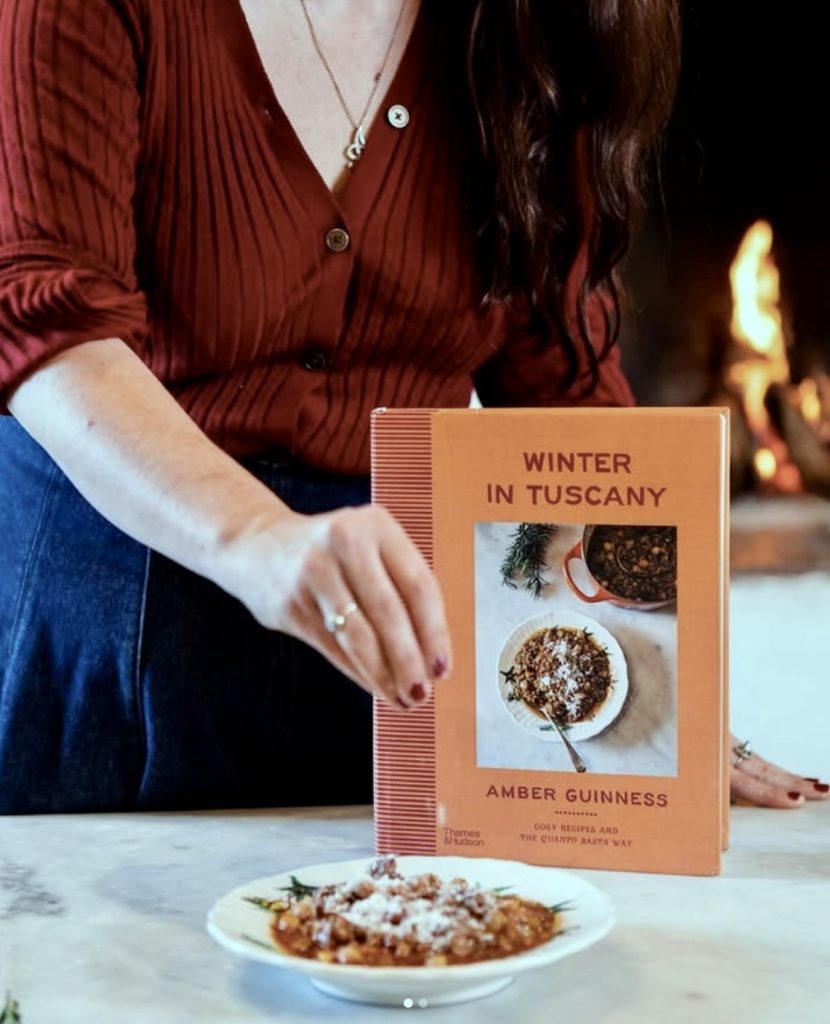
Listening to Amber reminded me that winter in Tuscany isn't simply another season. It's a completely different experience of the region, one that feels quieter, more intimate, and deeply connected to everyday Tuscan life.
Winter in Tuscany Is About Coming Home
Amber explained that each of her cookbooks tells a different story. Her first book centered on family, entertaining, and the home where she grew up. Italian Coastal celebrated Italy's vibrant coastline, filled with sparkling blue water, colorful ceramics, and the energy of seaside life.
Winter in Tuscany brings her back home again.
Because she attended school in Tuscany from childhood until she was thirteen, it's winter that she associates most strongly with growing up there. Unlike countries with long school holidays, Italian children spend much of the year at home, so her memories are tied not to summer vacations but to ordinary winter days spent around the family table.
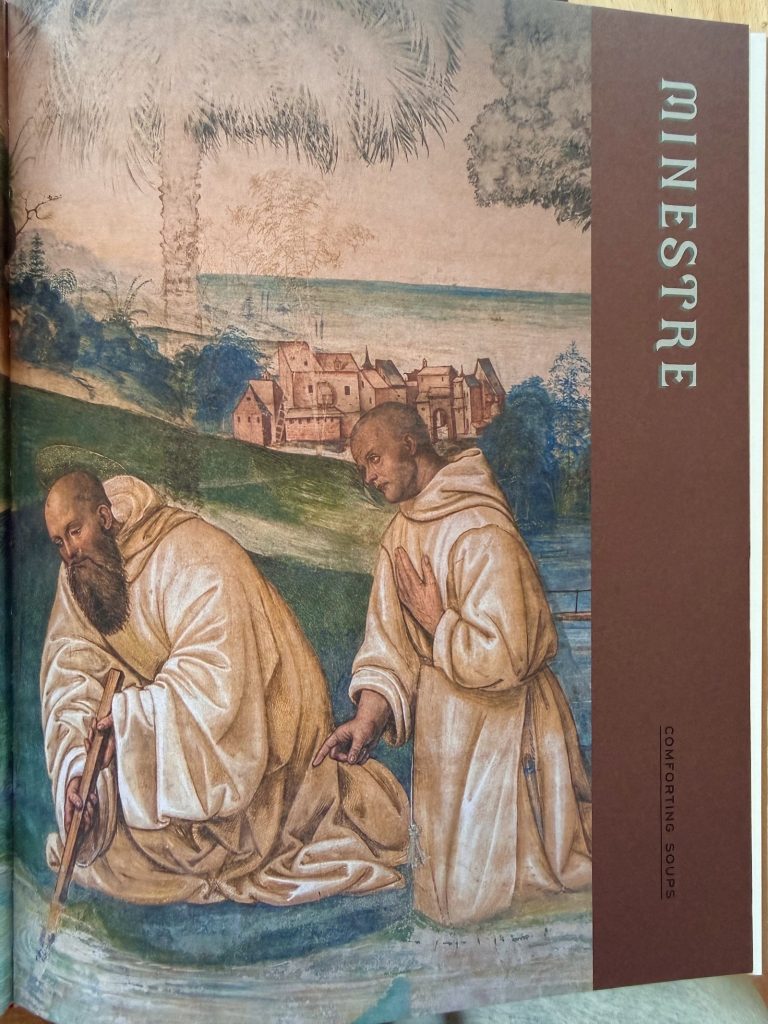
That perspective completely changes the way we think about Tuscany. Instead of endless fields beneath a brilliant sun, Amber remembers mist hanging over the countryside, fires crackling in the fireplace, and comforting dishes like ribollita, cinghiale in umido, and steaming bowls of minestre. It's a quieter Tuscany, but in many ways a more authentic one.
A Different Kind of Cookbook
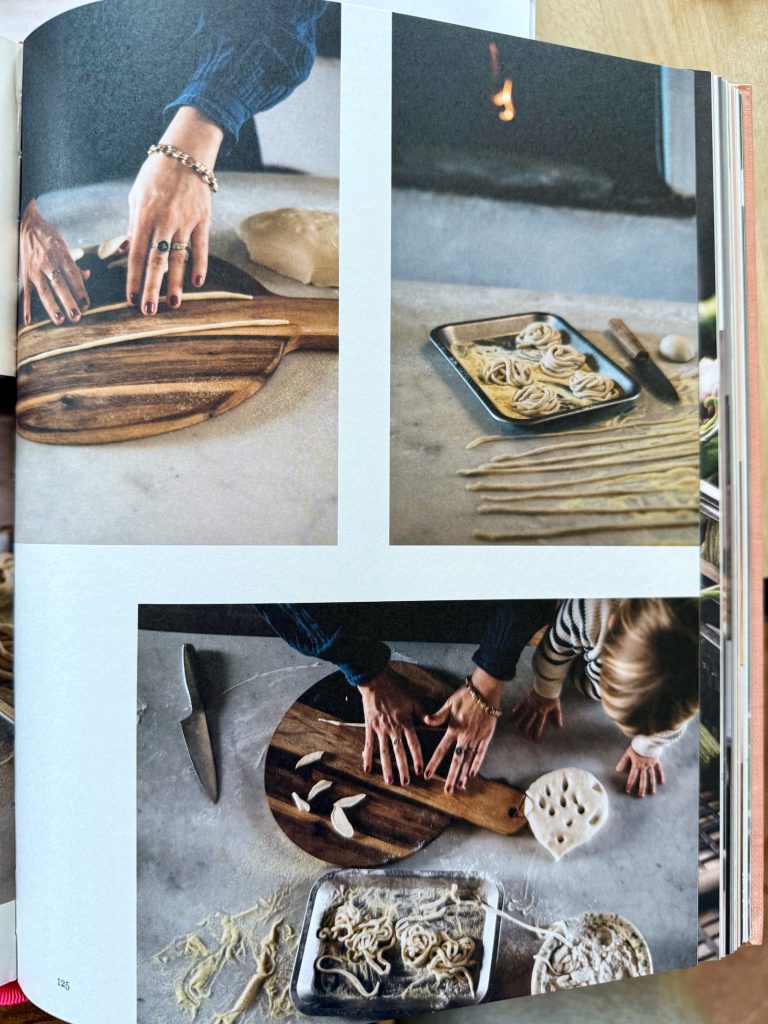
One of the things I found fascinating was how intentionally different this book feels from Amber's previous work. Even the photography reflects the mood of winter in Tuscany.
While Italian Coastal is filled with brilliant blues, dazzling sunlight, and vibrant Mediterranean colors, Winter in Tuscany embraces softer tones of brown, muted greens, misty landscapes, and the warm glow of candlelight and fireplaces. Amber worked with photographer Valentina Solfrini, whose style beautifully captures the feeling of winter rather than simply documenting recipes.
The result is a cookbook that invites you to slow down. Looking through its pages, you almost feel the steam rising from a bowl of broth or the warmth of sitting beside a roaring fire on a cold afternoon. The photography becomes part of the storytelling, creating a mood that's every bit as important as the recipes themselves.
More Than a Cookbook
One of the reasons I enjoy Amber's books so much is that they aren't simply collections of recipes. They tell the story of a place.
Throughout Winter in Tuscany, Amber shares essays about Florence, Siena, and the villages where she grew up, giving readers an understanding of the history, traditions, and daily life that shape Tuscan cooking. Rather than providing lists of restaurants that may change over time, she offers something far more lasting: her own perspective on the region.
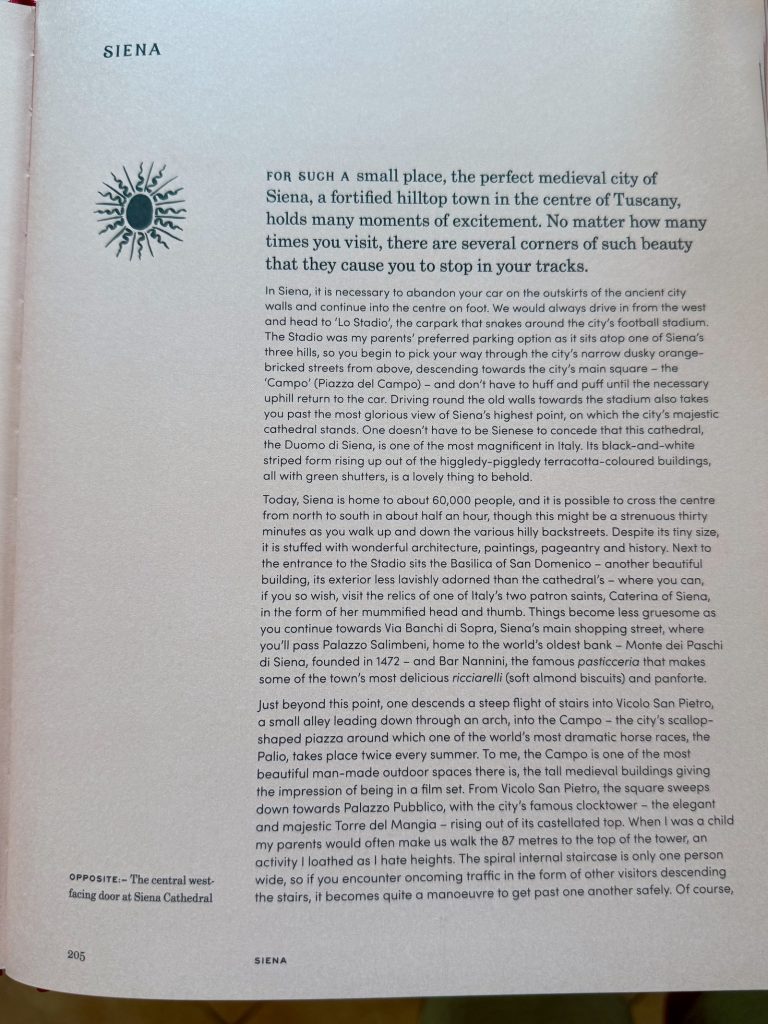
I loved hearing that her publisher actually followed one of her essays through Florence, spending an entire day exploring the city exactly as Amber described it. That's the beauty of writing from personal experience. Readers aren't just collecting recipes; they're seeing Tuscany through the eyes of someone who truly knows it.
The Beauty of the Quanto Basta Way
The subtitle of Amber's book includes one of my favorite Italian expressions: quanto basta, often abbreviated in Italian recipes as "q.b."
Literally translated, it means "as much as needed."
For anyone raised with English-language cookbooks, this idea can feel completely foreign. We like precise measurements, exact cooking times, and carefully tested instructions. Italians often cook very differently.
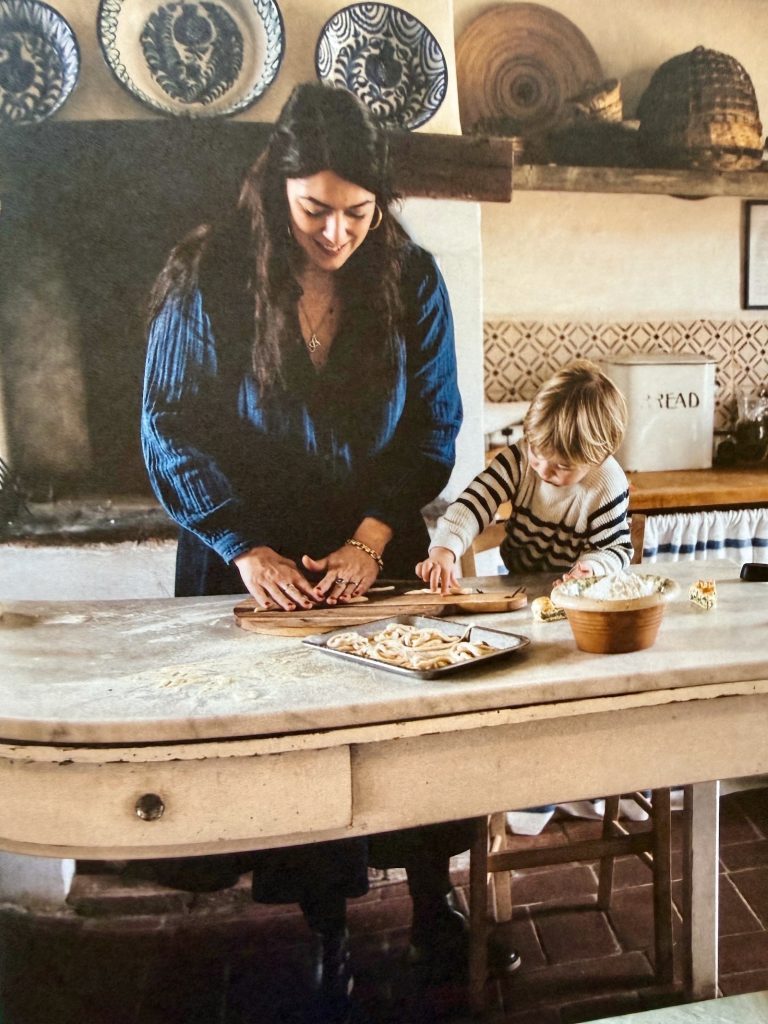
I laughed when Amber described asking a local cook how much flour she should use for homemade pici pasta. The answer was wonderfully Italian: "It will take as much flour as it takes."
That isn't being vague. It's acknowledging that ingredients change. Flour absorbs moisture differently depending on the weather. Vegetables vary in size. Every kitchen is slightly different. Rather than blindly following a recipe, Italian cooks learn to watch, taste, adjust, and trust their instincts.
I remember asking my own Italian mother-in-law years ago exactly how much salt to add to a dish. Her answer was always the same: "Whatever it needs."
At first that drove me crazy.
Eventually I realized she was teaching me something much more valuable than a recipe.
Taste As You Go
Amber believes the most important habit any cook can develop is tasting throughout the cooking process.
She laughed while telling me that after twelve years of marriage, her husband still forgets to taste what he's making until it's finished. By then, it's often too late to make simple adjustments.
Italian cooking is wonderfully forgiving because it's built around paying attention. If you don't like celery, reduce the amount in your ribollita. If your tomatoes are particularly sweet, perhaps you need a little less sugar elsewhere. Recipes are guides, not rules.
That philosophy takes away much of the anxiety many people feel in the kitchen. Cooking stops becoming a test you might fail and becomes something far more enjoyable.
Menus That Take the Guesswork Away
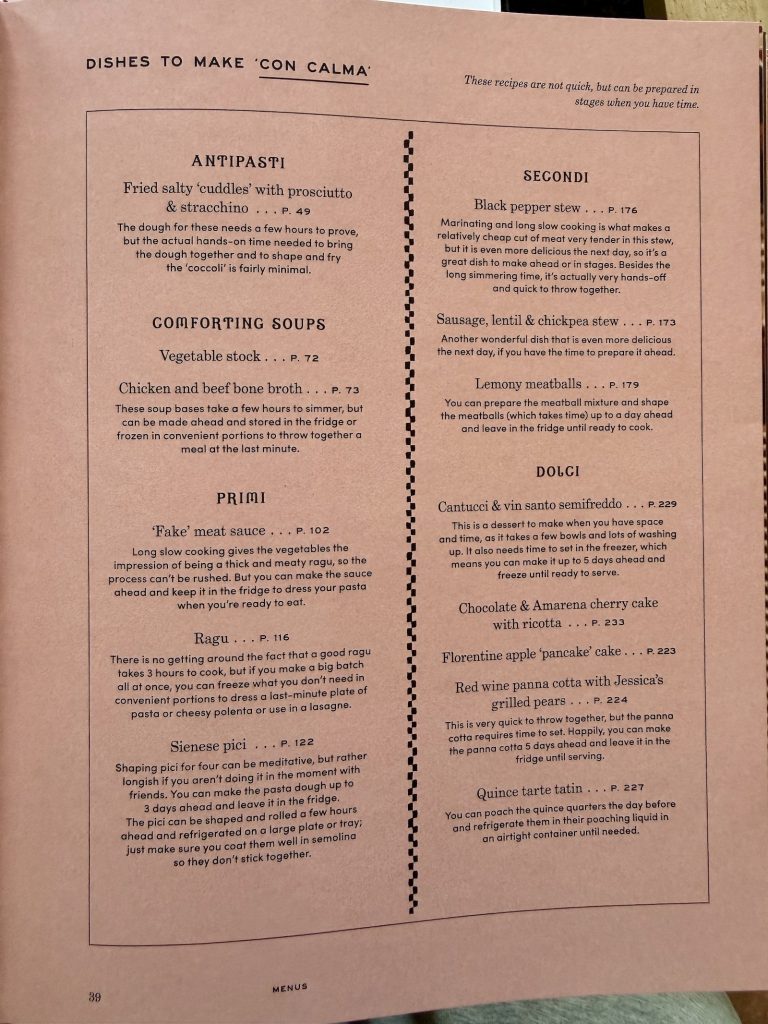
Another feature I particularly appreciate in Amber's books is her menu planning.
Because she cooks regularly for painting holidays at her family's home in Tuscany, often preparing meals for groups of ten, fifteen, or even twenty people, she's spent years thinking about how dishes work together.
Many home cooks aren't intimidated by individual recipes. They're intimidated by deciding what to cook for an entire meal.
Amber solves that problem by suggesting complete menus, quick meals for busy evenings, and combinations that she's tested countless times. It's practical, thoughtful, and gives readers confidence that everything on the table will work together beautifully.
Cozy Recipes for Winter in Tuscany
Choosing a favorite recipe proved almost impossible for Amber, rather like choosing a favorite child. Still, she admitted there are a few dishes she returns to again and again.
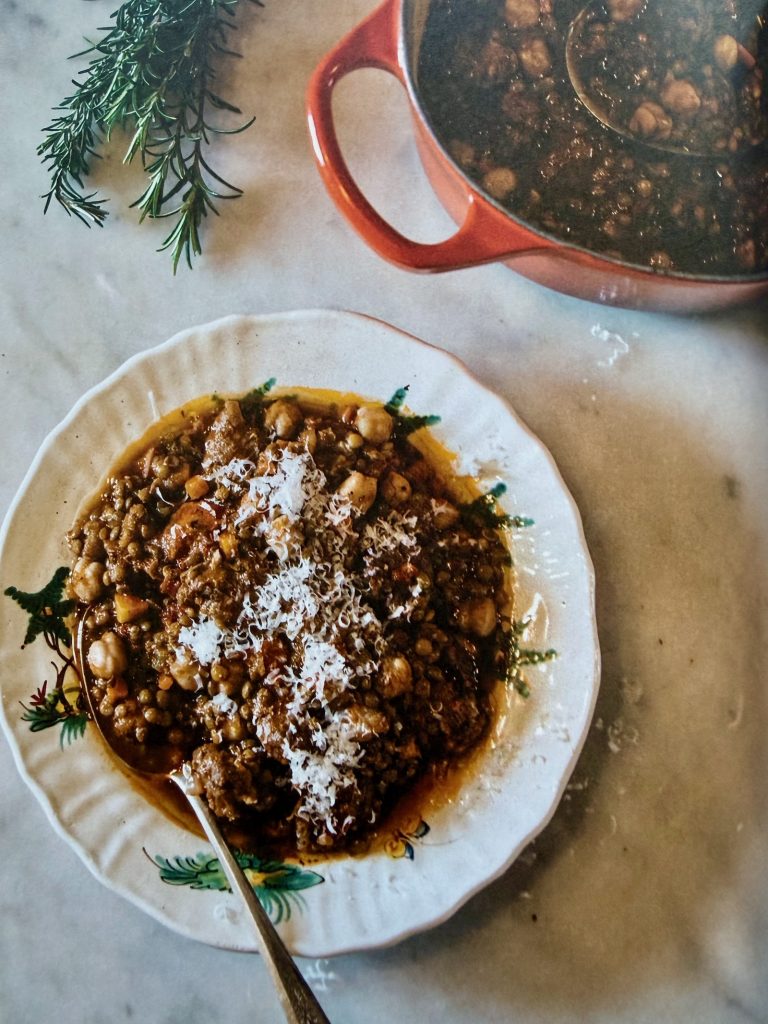
Her sausage and lentil stew with rosemary is one of those recipes she makes in large batches, enjoying it throughout the week with a drizzle of excellent olive oil and plenty of Parmigiano Reggiano.
Another recipe that immediately caught my attention was her Etruscan chestnut and chickpea soup. I love that it celebrates ingredients that have been part of Tuscany since Etruscan times while also acknowledging modern shortcuts. Using canned chickpeas and prepared chestnuts means you can create an extraordinarily flavorful soup without spending hours in the kitchen.
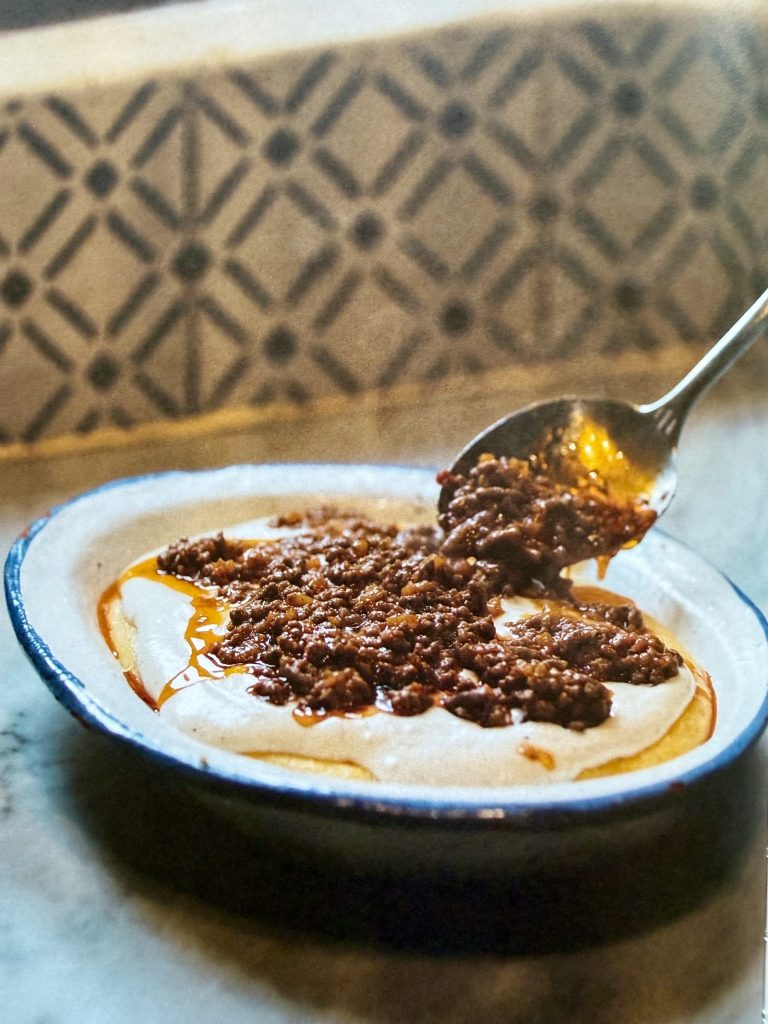
I was equally tempted by her polenta topped with béchamel and rich ragù, a dish served at a favorite trattoria every New Year's Day. Amber described it as "a hug in a bowl," and I couldn't think of a better description.
Winter Desserts Worth Waiting For
The dessert chapter also includes recipes that immediately made me want to start baking.
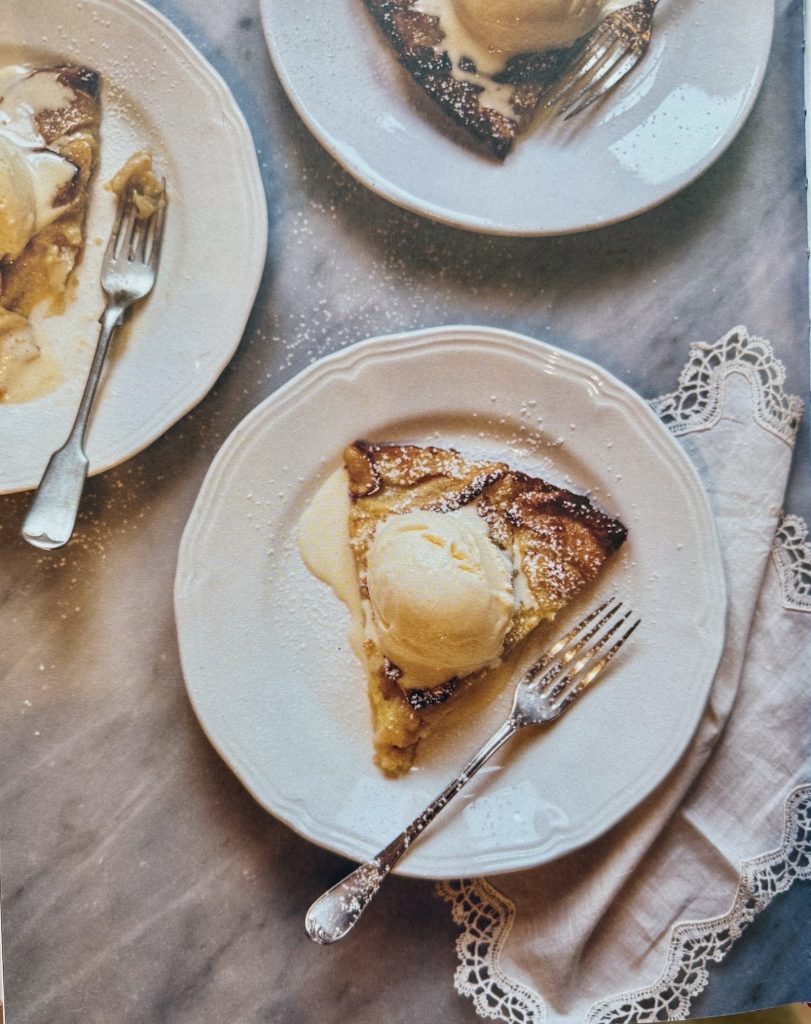
Amber's Florentine apple cake contains remarkably little flour, allowing the apples themselves to become the star. As someone with several apple trees, I found myself planning to make it almost immediately.
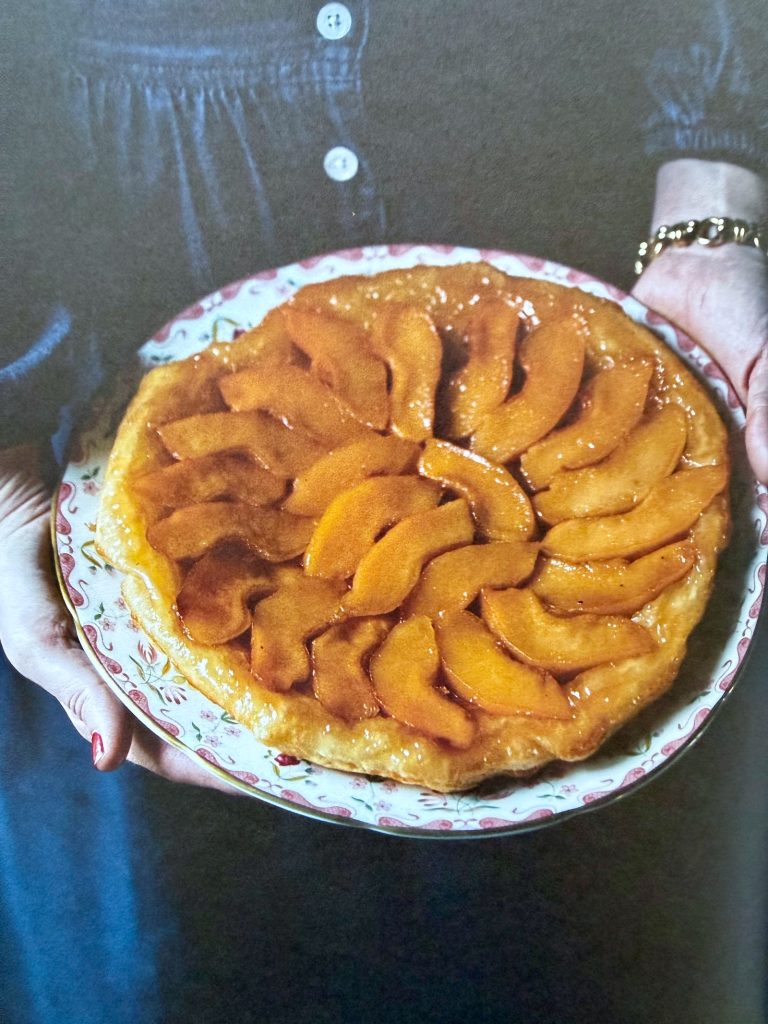
I was equally intrigued by her quince tarte Tatin. Like Amber, I have more quinces than I know what to do with every autumn, and I loved her practical advice about poaching them until just tender before transforming them into a beautiful caramelized tart.
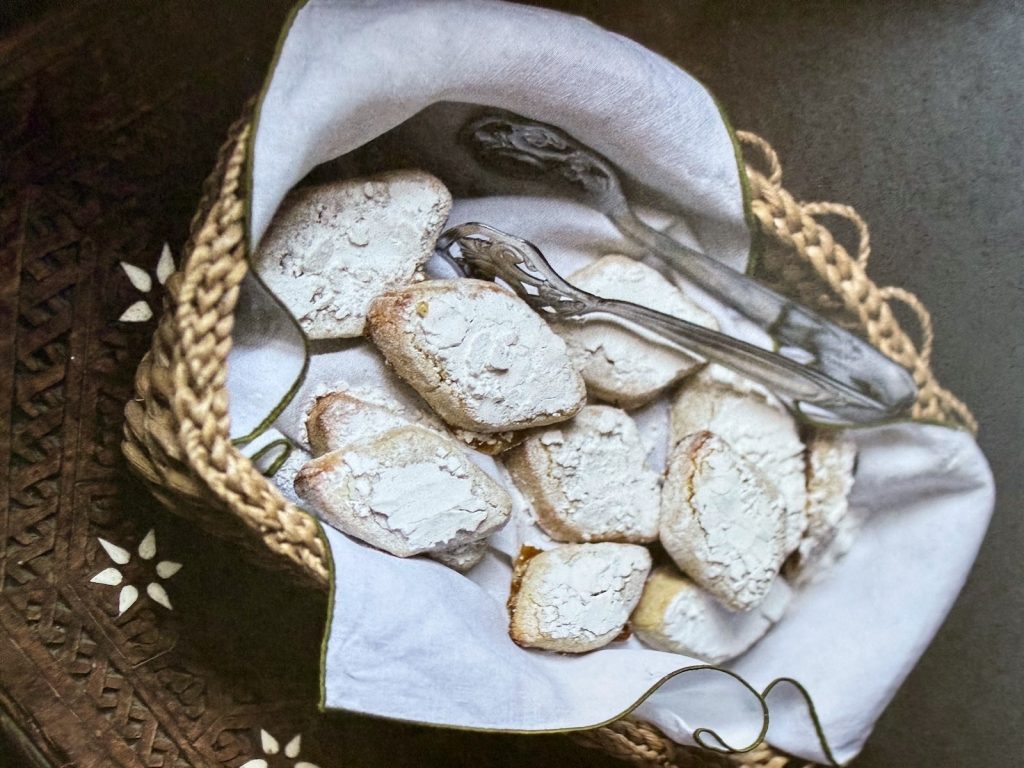
And then there are Siena's famous ricciarelli, those wonderfully soft almond cookies dusted generously with powdered sugar. Made primarily with almond flour, egg whites, and sugar, they're naturally gluten-free and disappear almost as quickly as they're baked.
Why Winter in Tuscany Feels So Special
Talking with Amber reminded me that every region has two personalities. There's the version visitors expect to find, and there's the version locals quietly treasure.
Winter in Tuscany isn't about dramatic scenery or ticking famous sights off an itinerary. It's about gathering around a table with family and friends, lingering over comforting food, cooking instinctively rather than mechanically, and embracing the slower rhythm that winter naturally encourages.
Perhaps that's the real meaning of the quanto basta way. It's not simply about adding "as much as needed" to a recipe. It's about approaching cooking, entertaining, and even life with a little more confidence, a little more flexibility, and a willingness to trust your own instincts.
After finishing Amber's book, I found myself looking forward to winter in Tuscany in a way I never had before. Not because I suddenly wanted cold weather, but because I was reminded that some of Italy's richest culinary traditions are found not under the summer sun, but around a warm table on a cold winter evening.
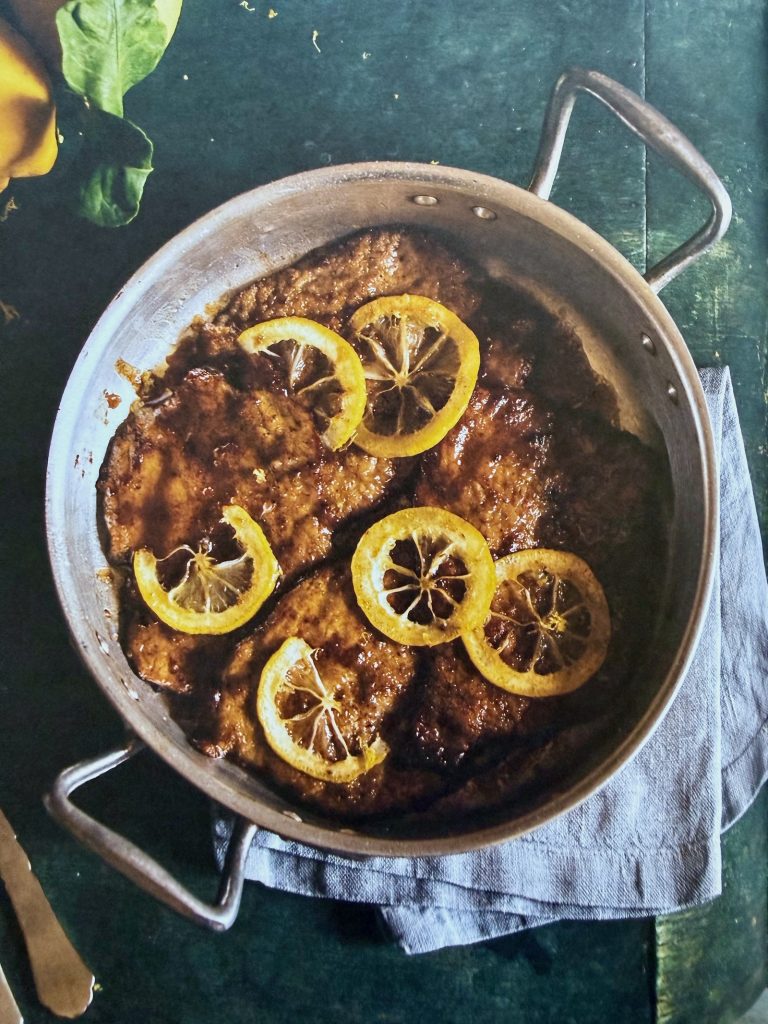
Lemony Escalopes
More about Tuscany and Tuscan food
Homestyle pig butchering in Northern Tuscany
Cooking vegetables the Italian way
Spannocchia, a 13th century Tuscan estate


Please leave your comment here. Your feedback is important!