
The Women Behind One of Alto Adige’s Most Remarkable Wine Estates
When I recorded my 301st episode of the Flavor of Italy Podcast, I wanted it to be something special. After celebrating the milestone of 300 episodes, it felt fitting to begin the next chapter with a conversation about one of Italy’s most fascinating wine regions and one of its most respected family wineries.
My guest was Karoline Walch of Elena Walch Winery in Alto Adige, a woman whose life has been intertwined with vineyards since childhood. What makes this winery especially compelling is that it's led by three generations of women: Elena Walch, the visionary who transformed the estate and helped elevate Alto Adige’s reputation on the world stage, and her daughters Julia and Karoline, who now guide the winery into its next chapter.
I first discovered Elena Walch wines only a few months ago. Dining at a restaurant in Rome, I was encouraged by a trusted wine professional to try one of the winery’s wines. Her prediction was simple: “You will love this.” She was right. The wine was so impressive that I came home and ordered a case. Since then, I’ve been exploring the winery’s portfolio and learning more about the remarkable story behind the bottles.
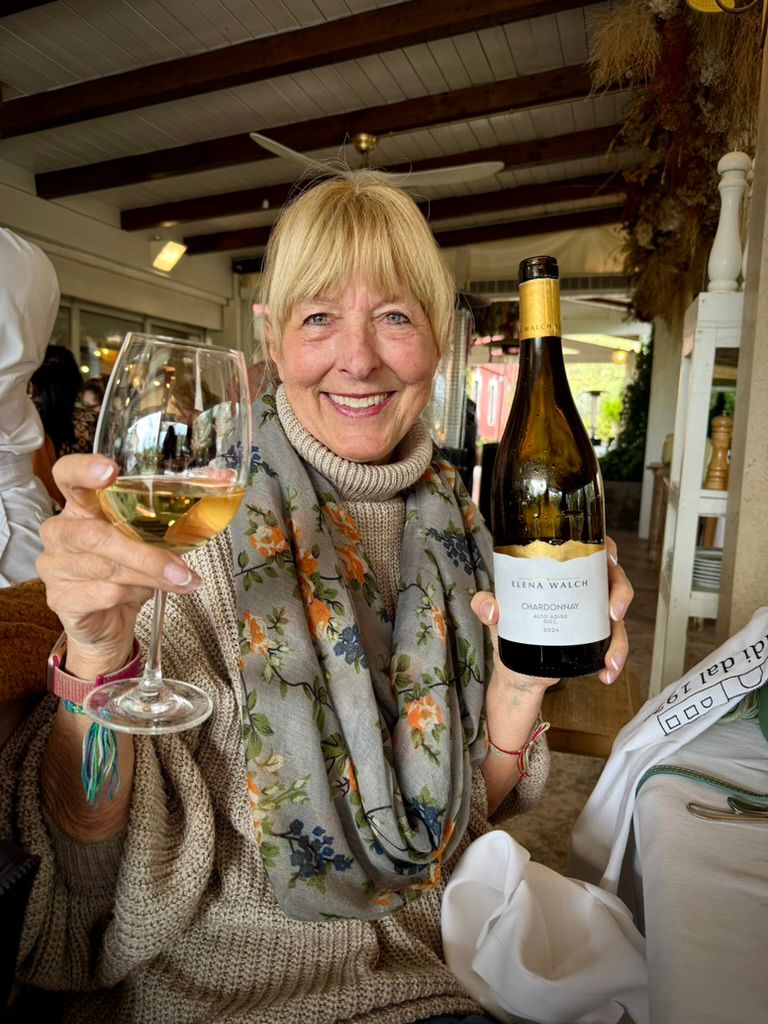
What I discovered is a story that goes far beyond wine. It's a story about family, vision, innovation, sustainability, and a unique corner of Italy where Alpine and Mediterranean influences come together in extraordinary ways.
Alto Adige: A Region Unlike Any Other
One of the reasons Alto Adige fascinates wine lovers is that it feels different from almost anywhere else in Italy. Located at the foot of the Dolomites in Italy’s far north, the region was part of Austria until the end of World War I. That history remains visible everywhere.
German and Italian are spoken side by side. Austrian traditions blend naturally with Italian culture. Village architecture, food traditions, and even daily life reflect this unusual combination of influences. During our conversation, Karoline explained that German is her first language, although she grew up bilingual, moving effortlessly between German and Italian.
The landscape itself seems full of contradictions. Snow-covered mountain peaks tower above vineyards. Cypress trees and palm trees grow surprisingly close to Alpine scenery. Traditional mountain dishes share menus with Mediterranean-inspired cuisine. Alto Adige is a place where cultures, climates, and traditions overlap, creating something entirely its own.
For wine production, these conditions are particularly valuable. The vineyards benefit from abundant sunshine during the day while cool mountain air descends at night. These dramatic temperature swings help preserve acidity and freshness in the grapes while allowing them to achieve full ripeness. The result is wines known for their precision, elegance, and vibrant character.
Karoline spoke about her region with obvious affection. Listening to her describe Alto Adige, it was impossible not to feel tempted to pack a suitcase and head north immediately.
Elena Walch’s Vision Changed the Region
The story of the Elena Walch Winery begins with Elena Walch herself.
Unlike many winery owners who grow up in wine-producing families, Elena was born and raised in Milan and trained as an architect. When she married into one of Alto Adige’s historic wine families and moved to the small village of Tramin, she brought with her a fresh perspective and a willingness to challenge conventional thinking.
In the early 1980s, many wineries in Alto Adige still focused more heavily on production than on expressing the unique character of individual vineyard sites. Elena believed the region was capable of producing wines of far greater distinction. She saw extraordinary vineyard locations that deserved to be treated with greater care and attention.
Rather than simply continuing established practices, she began implementing changes in both the vineyards and the winery. She focused on lower yields, improved vineyard management, and a stronger emphasis on terroir. Her goal was not simply to make good wine but to produce wines that reflected the individuality of specific sites.
The results helped transform not only the winery but also perceptions of Alto Adige itself. Today, Elena Walch is widely regarded as one of the pioneers of Alto Adige’s quality revolution, helping elevate the region into the ranks of Italy’s most respected wine-producing areas.
Listening to Karoline describe her mother’s achievements, it became clear that Elena’s success was driven by both vision and determination. She recognized the potential of Alto Adige long before many others did and dedicated herself to proving what the region could achieve.
Growing Up Above the Barrel Cellar at the Elena Walch Winery
Karoline’s path to wine could hardly have been more different from her mother’s.
She grew up literally above the winery’s barrel cellar. Every morning she opened her bedroom window to a world of vineyards, grapes, harvest activity, and conversations about wine. The rhythms of winery life surrounded her from childhood.
Yet despite those early influences, she chose to gain experience outside the family business before returning home. She studied business at the University of Graz in Austria, worked in corporate environments including Mercedes-Benz, and later traveled to Australia to earn a master’s degree in wine business at the University of Adelaide.
Her studies brought together both the business and technical sides of wine while exposing her to students and producers from around the world. She met people from North and South America, Europe, Australia, and beyond, many of whom shared similar family winery backgrounds.
That international experience broadened her perspective while reinforcing something she already knew: wine was where she ultimately wanted to be.
Since returning to the Elena Walch Winery family estate in 2013, Karoline has worked alongside her sister Julia as the fifth generation of the family. Together they oversee different aspects of the business while sharing responsibility for its overall direction.
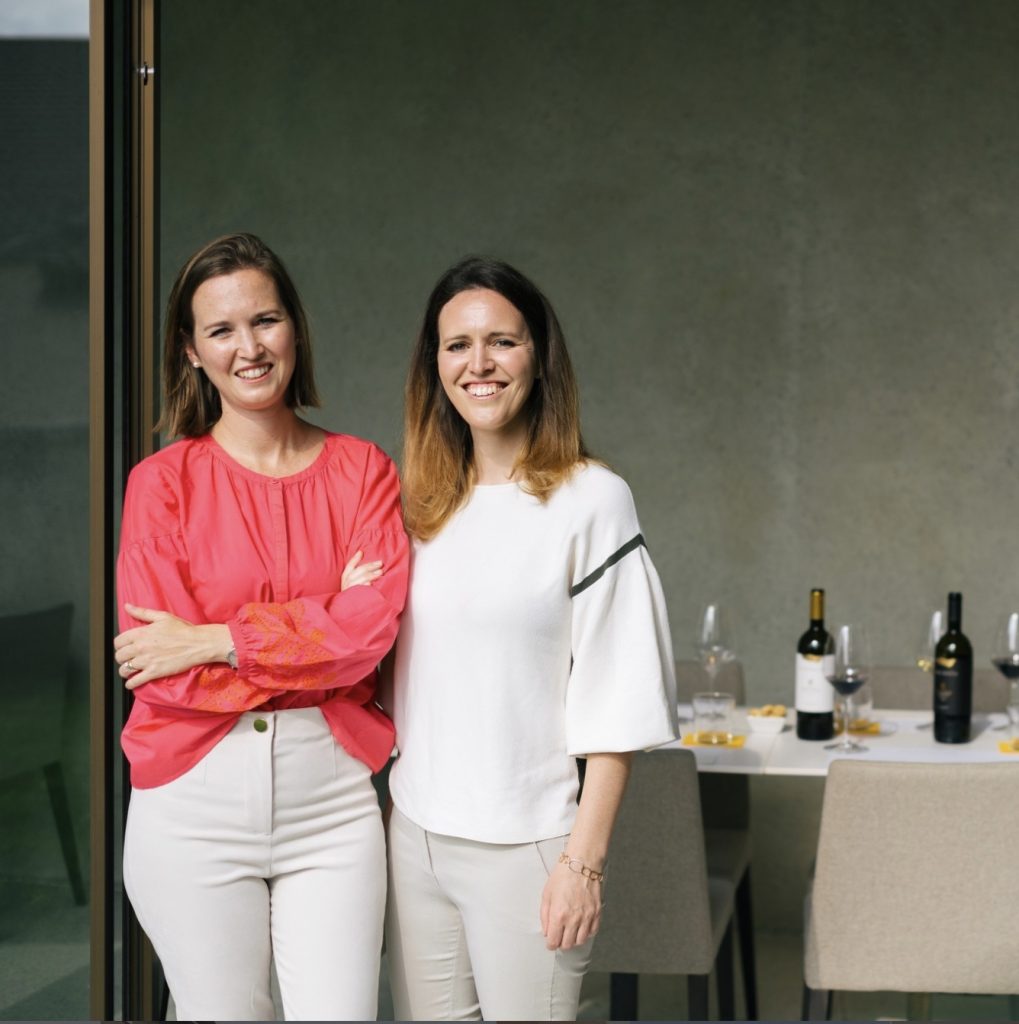
What comes across most strongly is that the winery remains deeply family-oriented. Decisions are made with future generations in mind rather than short-term trends. The goal is not merely to preserve the family legacy but to continue evolving while respecting what came before.
Castel Ringberg and a Different Expression of Pinot Grigio
One of the highlights of our conversation was Karoline’s discussion of the Elena Walch Winery’s vineyard sites.
When asked to choose a wine to feature during the interview, she selected the winery’s Pinot Grigio from Castel Ringberg, one of the estate’s most historic and important vineyards.
For many wine drinkers, Pinot Grigio carries certain expectations. It is often viewed as a simple, light, easy-drinking wine. The Castel Ringberg Pinot Grigio challenges that perception entirely.
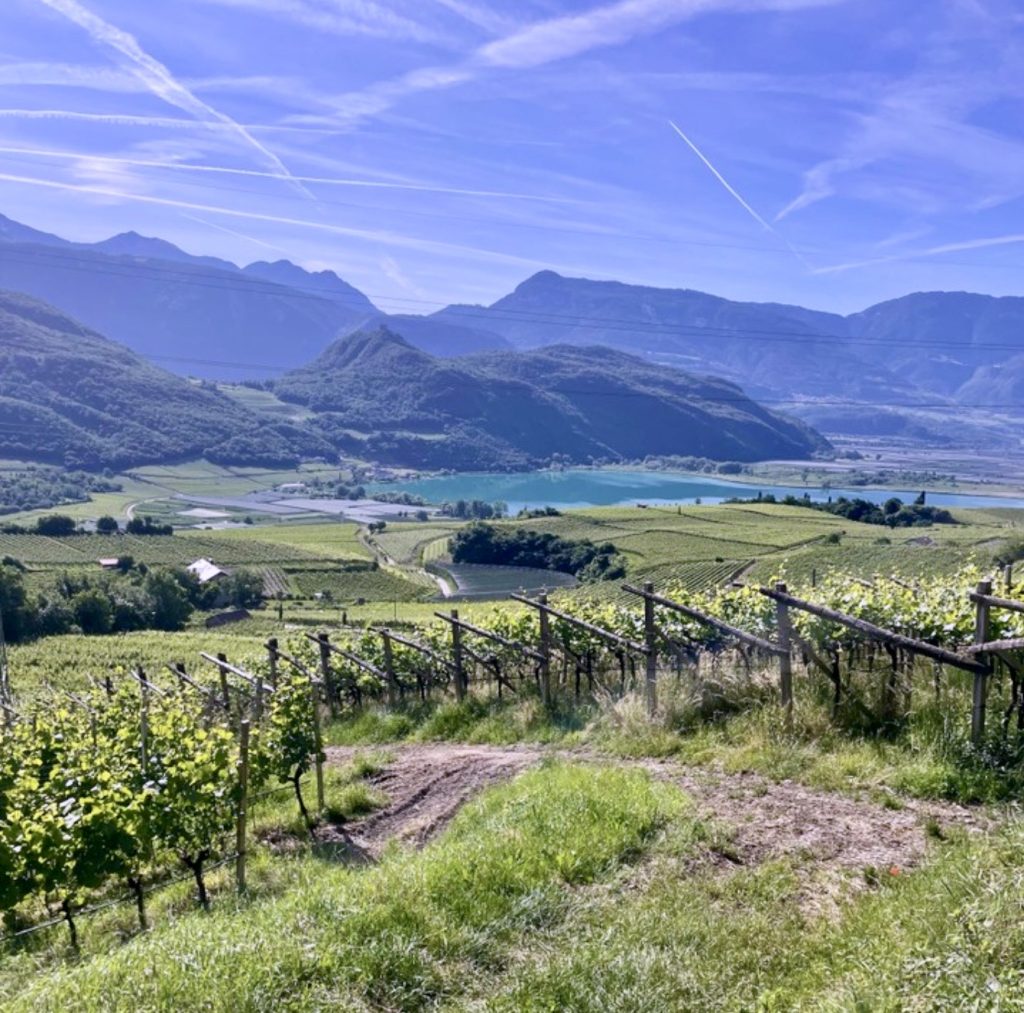
The vineyard overlooks Lake Caldaro and occupies one of Alto Adige’s most prestigious wine-growing locations. The site combines limestone-rich soils, glacial deposits, and pebbles left by the Adige River. The nearby lake contributes additional warmth and moderation to the climate, creating conditions that differ subtly from some of the winery’s other vineyards.
Part of the wine is aged in French oak while the remainder stays in stainless steel before the components are blended together. The resulting wine retains freshness and vibrancy while developing greater texture and complexity.
Karoline described it as a high-end Pinot Grigio, and it's easy to understand why. This is a wine that demonstrates how serious and age-worthy the variety can become when grown in an exceptional site and handled with care.
Tramin and the Birthplace of Gewürztraminer at the Elena Walch Winery
If Pinot Grigio represents one side of the winery’s identity, Gewürztraminer represents another.
The village of Tramin is widely recognized as the birthplace of Gewürztraminer, and the grape remains one of Alto Adige’s signature varieties. The name itself reflects that connection, meaning “the spicy grape from Tramin.”
Karoline spoke with particular pride about Kastelaz, one of the winery’s most celebrated vineyard sites and the source of its flagship Gewürztraminer.
Have a question or want to leave your own tips and recommendations? Click here to leave a comment:
Leave a Comment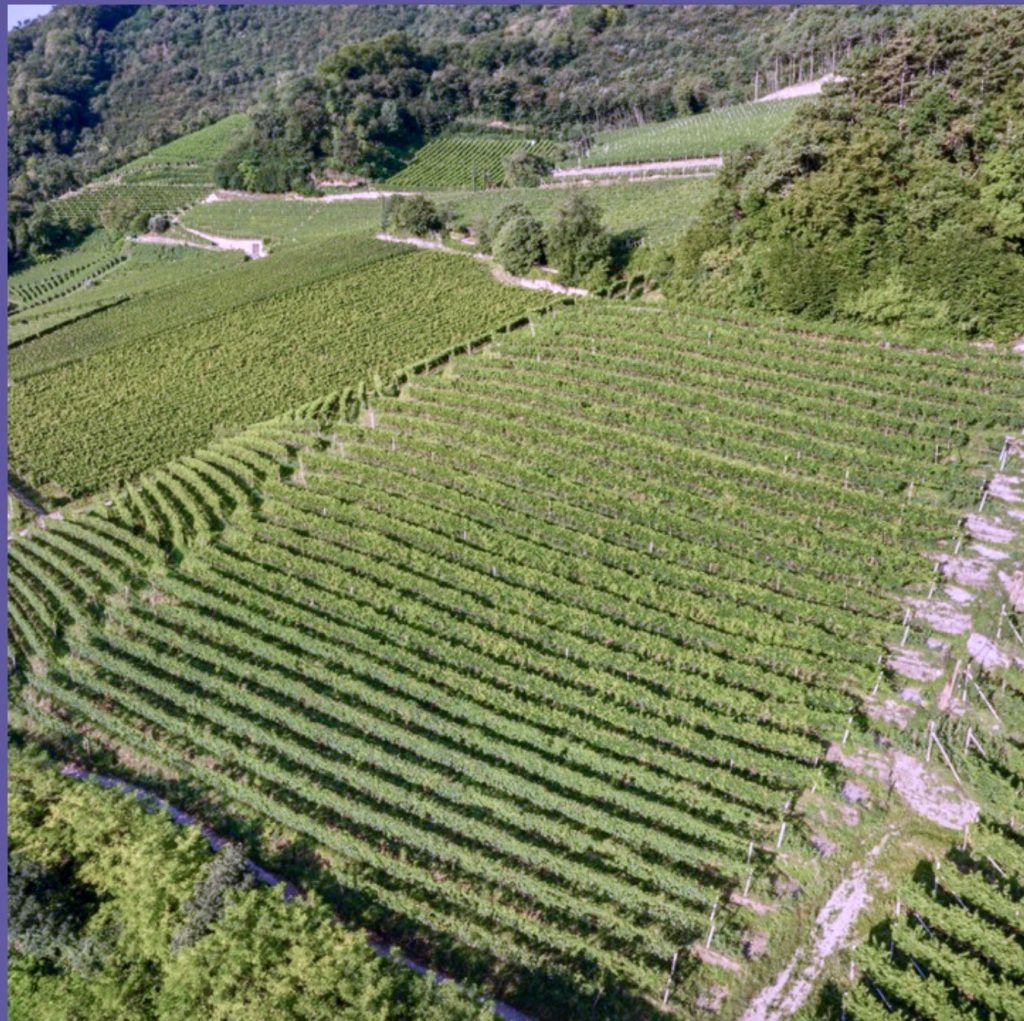
The vineyard rises dramatically above the village and faces almost entirely south, an unusual orientation for the region. Its slopes are extraordinarily steep, reaching more than sixty percent incline in places. Working these vineyards requires significant manual labor, but the challenges are rewarded by exceptional fruit quality and concentration.
The site also benefits from a unique combination of climatic influences. Warm sunshine ripens the grapes during the day while cooling winds arrive from both Lake Garda and the surrounding mountains. These conditions create wines that are intensely aromatic yet balanced by freshness and structure.
Many wine drinkers associate Gewürztraminer with sweetness, but Karoline emphasized that their wines finish dry. The floral and spice-driven aromas remain, but they are supported by acidity and precision that keep the wines fresh and food-friendly.
For anyone who believes they already understand Gewürztraminer, these wines offer a compelling reason to revisit the grape.
Sustainability Beyond Buzzwords at the Elena Walch Winery
Sustainability is a term that appears frequently in modern wine marketing, but our conversation revealed that at Elena Walch it functions as a genuine guiding principle rather than a promotional slogan.
Karoline repeatedly returned to the idea of stewardship. The family has inherited extraordinary vineyard sites and feels a responsibility to preserve them for future generations.
The estate holds VIVA sustainability certification and continuously evaluates ways to reduce environmental impact while improving biodiversity and soil health.
In the vineyards, cover crops, composting, biodiversity projects, insect habitats, and careful monitoring all play important roles. The winery seeks to move away from monoculture practices and create healthier ecosystems within the vineyards themselves.
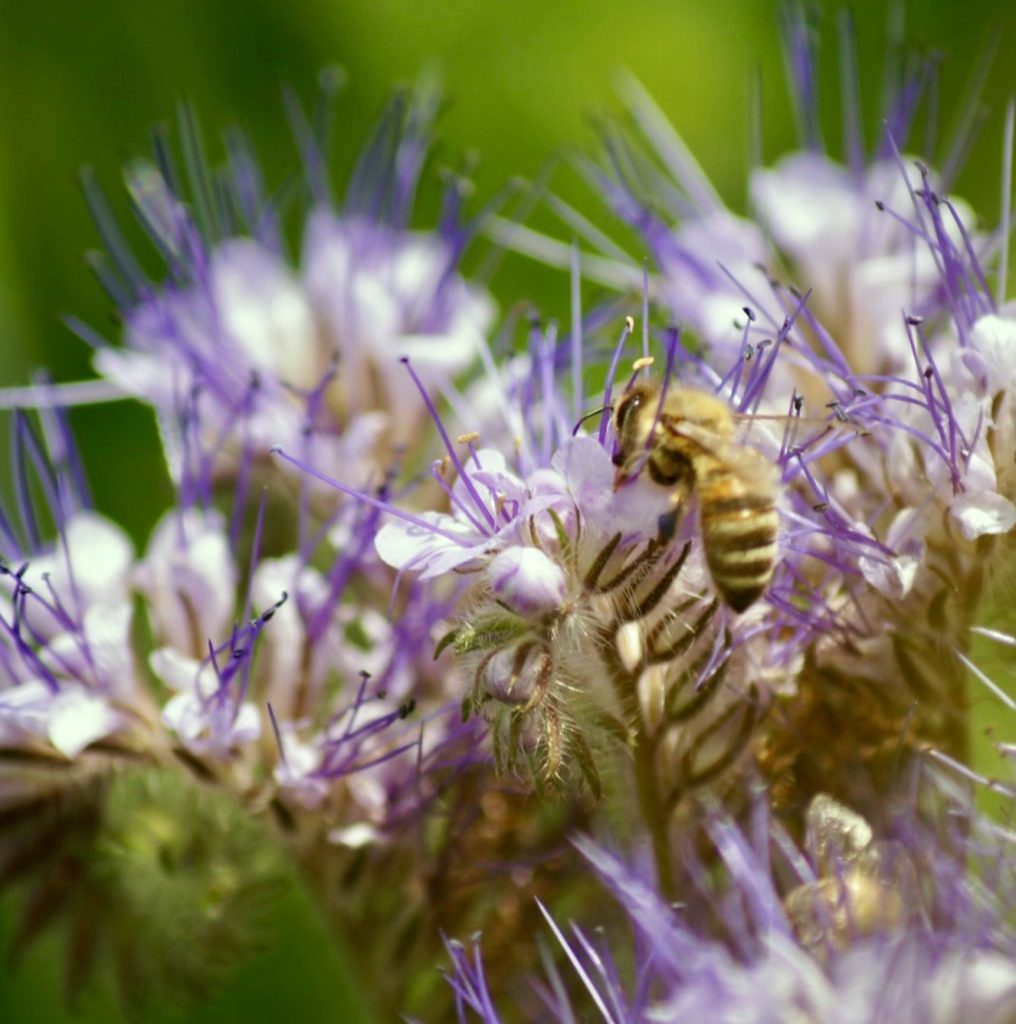
The sustainability efforts extend into the winery as well. Solar panels now provide a substantial portion of the estate’s energy requirements. Bottle weights have been reduced significantly to lower transportation-related carbon emissions. Vineyard management practices continue to evolve as new technologies and knowledge become available.
What impressed me most was Karoline’s perspective that sustainability is never finished. There is no point at which a winery can declare itself complete and stop improving. Instead, it is an ongoing process of evaluation, adaptation, and refinement.
That mindset seems particularly appropriate for a family winery thinking in terms of generations rather than years.
Experimenting While Respecting Tradition
Another interesting topic we explored was the Elena Walch Winery’s work with PIWI grape varieties, disease-resistant grapes developed to reduce vineyard treatments and improve sustainability.
The winery produces a wine from the Brunner variety, one of these newer grapes. Karoline described it as light, vibrant, approachable, and slightly aromatic.
What I appreciated most was her balanced view of the subject. Rather than presenting PIWI varieties as a revolutionary solution to every challenge facing viticulture, she described them as one useful area of experimentation.
The winery continues to focus primarily on traditional varieties such as Gewürztraminer, Pinot Grigio, Pinot Bianco, Chardonnay, and others that have proven themselves over generations. At the same time, it remains open to innovation and willing to explore new possibilities.
That combination of respect for tradition and willingness to experiment seems to characterize the estate as a whole.
Visiting Elena Walch Winery
For anyone planning a trip to Alto Adige, Elena Walch offers a variety of experiences that go beyond a simple tasting.
Visitors can tour the historic winery in Tramin, where beautifully carved wooden barrels dating back to the nineteenth century still tell the story of the family’s history. They can also see the modern gravity-flow cellar, where wine moves through the winery with minimal mechanical intervention.
The estate offers guided tastings and master classes that allow guests to explore both the wines and the philosophy behind them.
At Castel Ringberg, visitors can participate in vineyard walks through one of the estate’s most important sites. Karoline described these tours as opportunities to understand not only the vineyards themselves but also the tremendous amount of work required to produce each bottle of wine.
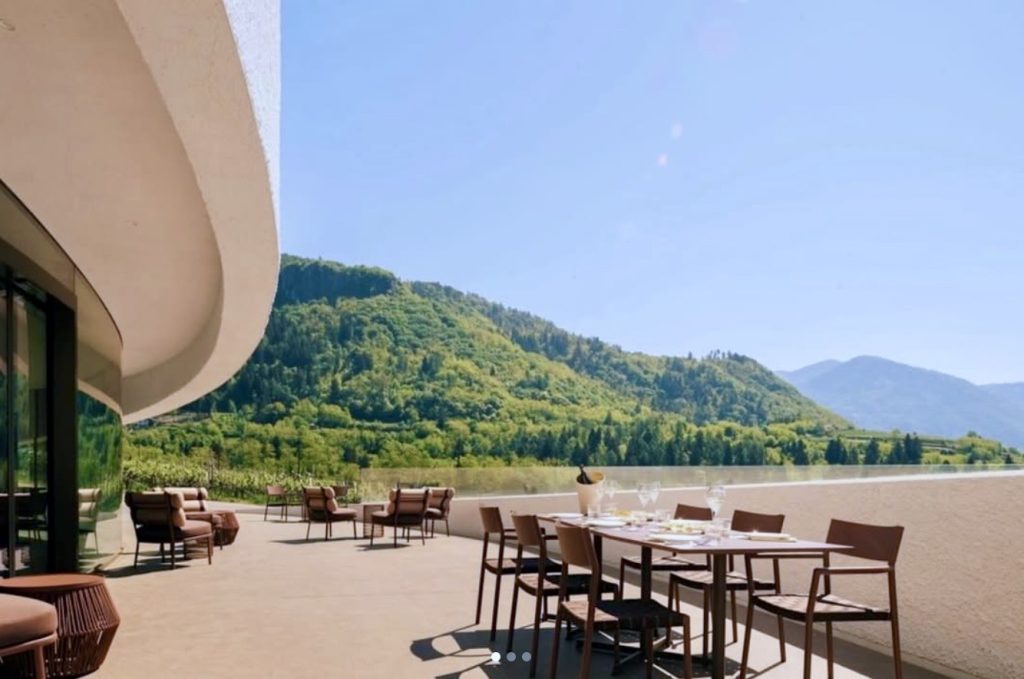
The estate also operates a tasting room and bistro overlooking Lake Caldaro, providing one of the most beautiful settings imaginable for experiencing Alto Adige wine.
Although the winery does not offer accommodations, it provides the kind of immersive wine tourism experience that can easily become the centerpiece of a visit to the region.
A Winery Led by Women
What makes the Elena Walch Winery especially memorable is not simply the quality of the wines or the beauty of the vineyards. It is the remarkable continuity of female leadership that has shaped the estate over several decades.
Elena Walch transformed the winery and helped redefine an entire region. Julia and Karoline now continue that work while bringing their own expertise, education, and vision to the business.
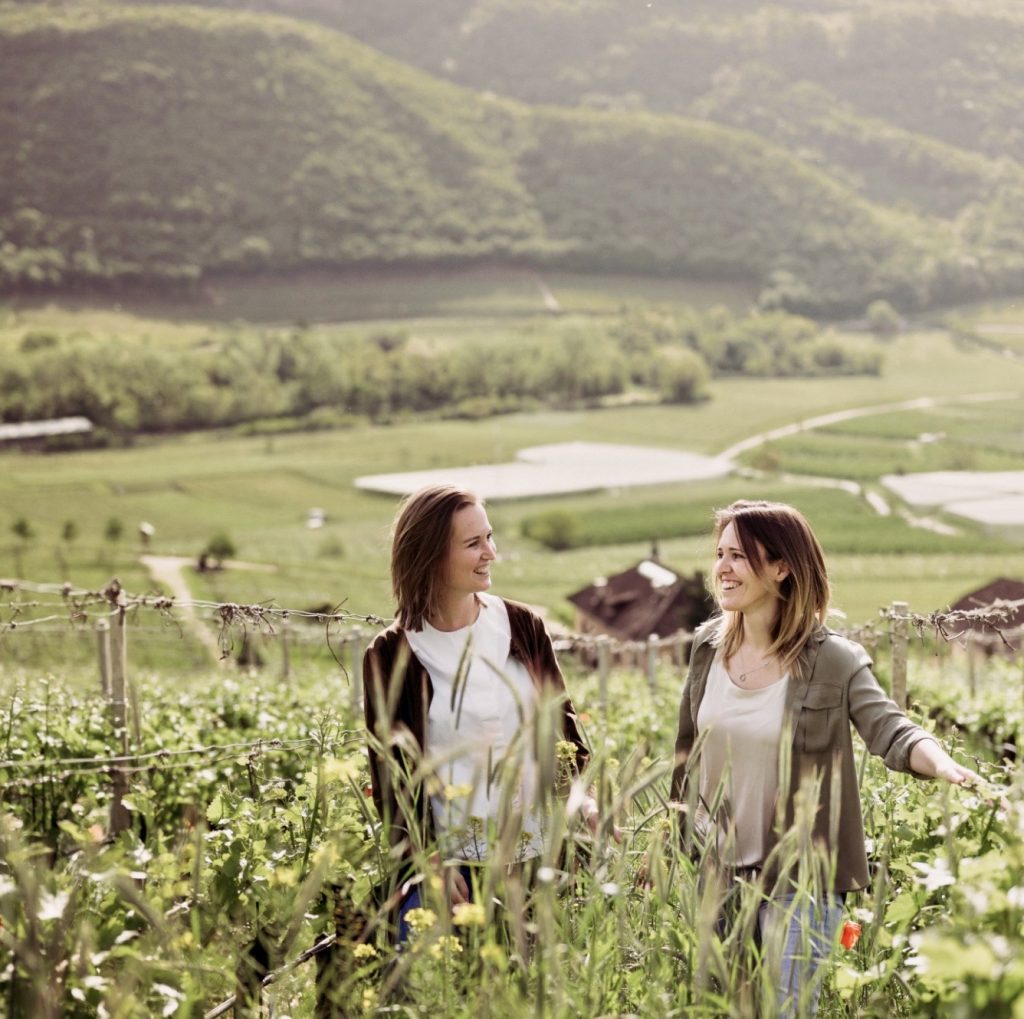
The wine world has traditionally been dominated by men, making the success of this three-generation female leadership story all the more noteworthy. Yet during our conversation, what stood out most was not the fact that they are women, but the clarity of purpose they bring to their work.
The focus remains firmly on quality, authenticity, sustainability, and respect for place.
Why This Elena Walch Winery Episode Matters
As the Flavor of Italy Podcast moves into its next hundred episodes, I could not imagine a more fitting conversation to begin the journey.
Karoline Walch’s story touches on many of the themes that have always drawn me to Italy: family, regional identity, craftsmanship, food and wine culture, innovation, and a deep respect for tradition.
The Elena Walch Winery stands as one of Alto Adige’s most important producers, but it also represents something larger. It demonstrates how vision, determination, and a commitment to excellence can transform both a family business and the reputation of an entire region.
For listeners who love Italian wine, Alto Adige deserves a place high on their travel and tasting wish list. For those who already know the region, Elena Walch remains one of its finest ambassadors.
And if your introduction to the winery comes the same way mine did—with a single glass recommended by someone who knows wine well—don't be surprised if you find yourself ordering a case shortly afterward.
Key Elena Walch Winery Links:
Main Elena Walch Website
https://www.elenawalch.com/en
The World of Elena Walch (history, Elena, Julia and Karoline)
https://www.elenawalch.com/en-GB/Elena-Walch/walch
Vineyards Overview
https://www.elenawalch.com/en
Castel Ringberg Estate
https://www.castelringberg.com
Castel Ringberg Ostaria, Vineyard and Lake Caldaro Views
https://www.elenawalch.com/it-IT/ostaria-cr
More Italian Wine information to check out!
Italian wine without the intimidation
2026 wine trends
Choosing the right wine glass



Please leave your comment here. Your feedback is important!