
Kate Leahy’s Inviting Guide to Italy in a Glass
Italian wine inspires passion, curiosity, and, for many people, a fair amount of confusion. Even devoted wine lovers can feel overwhelmed when faced with Italy’s astonishing range of native grape varieties, regional traditions, appellations, and bottles whose labels sometimes seem to raise more questions than answers. Unlike wine cultures built around a relatively smaller group of internationally recognized grapes, Italy’s wine identity is gloriously complex, shaped by geography, history, climate, and deeply local traditions that can shift dramatically from one valley to the next.
That’s precisely what makes Italian Wine: The History, Regions, and Grapes of an Iconic Wine Country, co-authored by Kate Leahy and Shelley Lindgren, such a genuinely useful and engaging book. In a recent Flavor of Italy podcast conversation, Kate and I talked not only about the book itself, but about why Italian wine remains one of the most fascinating, and sometimes misunderstood, wine cultures in the world.
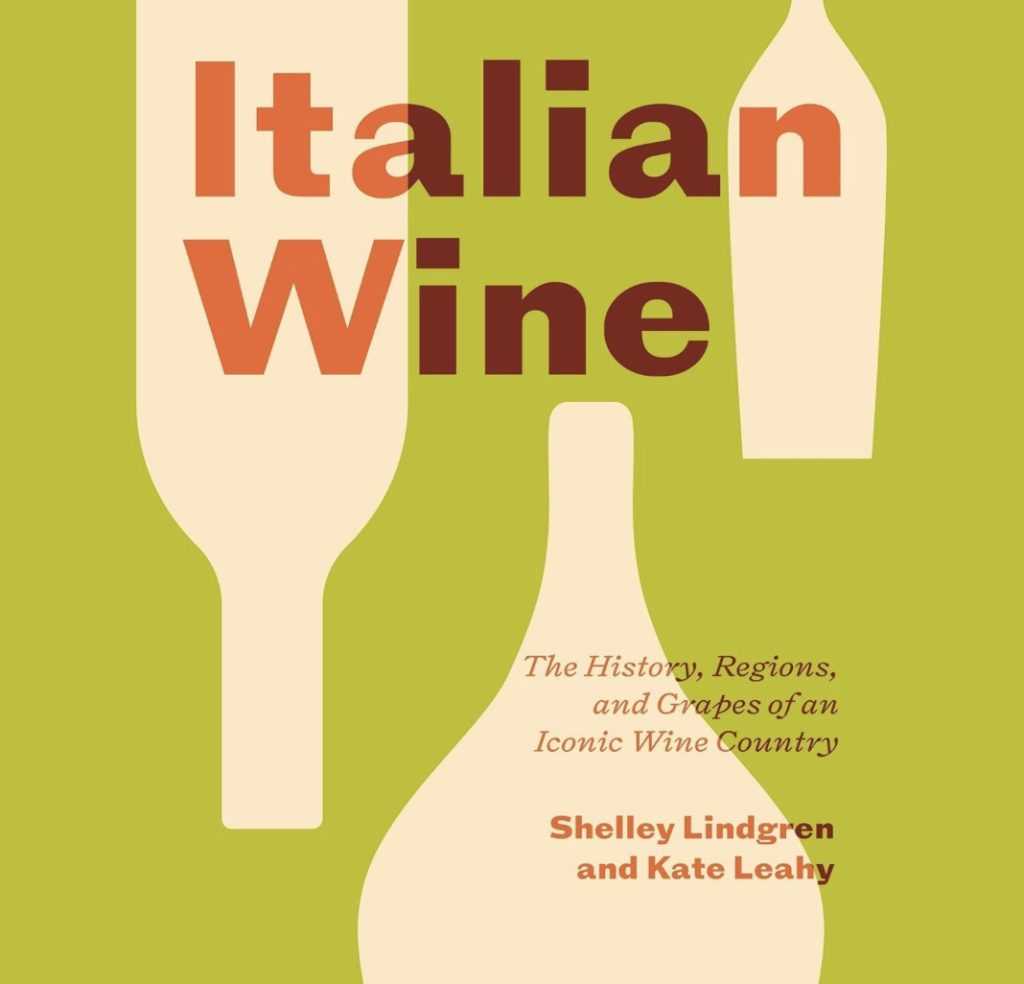
Why Italian Wine Can Feel So Intimidating - and Why It Shouldn’t
One of the most interesting parts of my conversation with Kate centered around something many wine drinkers quietly feel but don’t always articulate: Italian wine can seem intimidating, even to people who enjoy wine regularly. French wine often carries its own reputation for complexity, but Italian wine presents a different kind of challenge. With hundreds of native grapes, highly regional traditions, and names that often reflect geography rather than grape varieties familiar to international consumers, many people simply don’t know where to begin.
Kate explained that one of the central motivations behind this book was to create a welcoming path into Italian wine for readers who may otherwise avoid it because it feels too complicated. Rather than assuming prior knowledge, the book offers readers a framework for exploration, helping them understand not just what’s in the bottle, but the broader cultural and historical context that gives Italian wine its extraordinary identity.
That accessibility is one of Kate’s real strengths as a writer. Some writers seem determined to make wine feel like an exclusive club, full of coded language and insider references. Kate takes exactly the opposite approach. During our discussion, I mentioned one of her explanations from her earlier book Wine Style, where she describes tannins not through abstract jargon but by comparing them to over-brewed black tea - that dry, tightening sensation on the tongue that immediately makes sense to anyone who’s experienced it. That same clarity carries beautifully into this book.
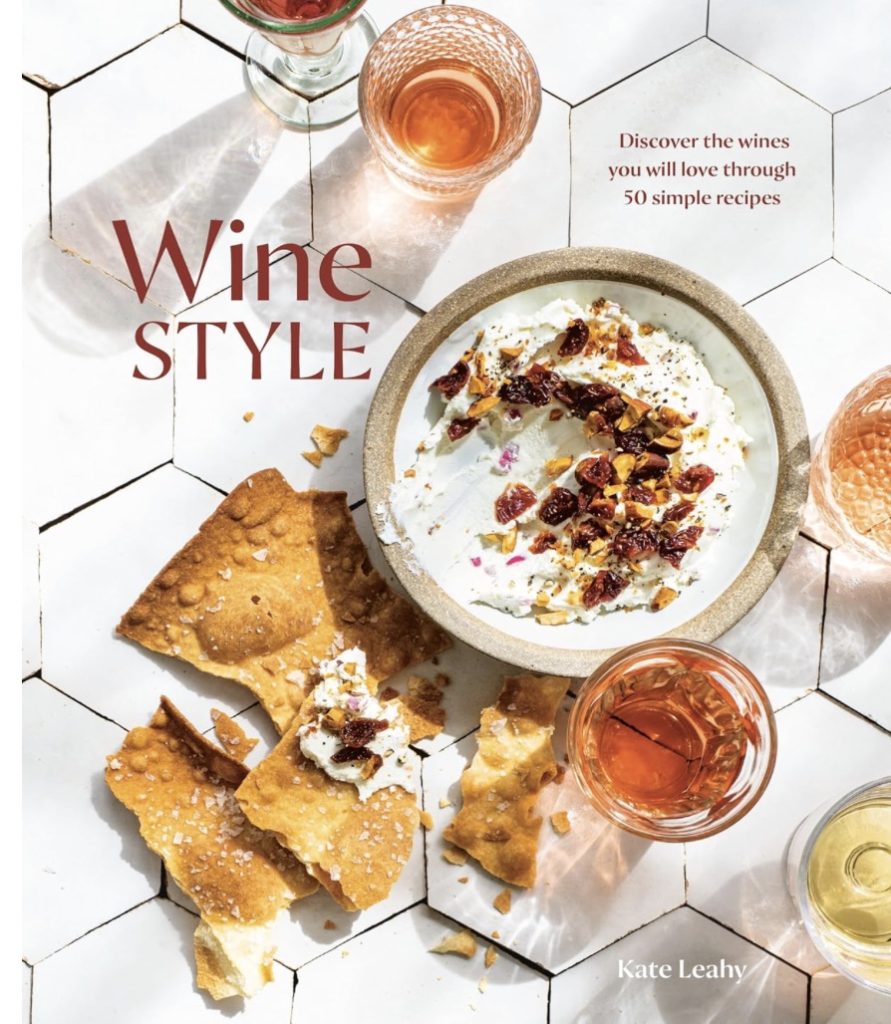
Kate Leahy and the Long Road to This Book
Kate Leahy’s ability to make complex subjects feel approachable comes from years of food and wine writing, cookbook collaboration, and deep curiosity. One of my favorite discoveries while preparing for our interview was a story Kate once shared about writing a children’s manuscript in 1989 about a girl searching for a missing moose. Armed with a typewriter and youthful determination, she sent it directly to a publisher she admired, fully expecting publication. Instead, she received a rejection letter, but the story says something important about her persistence and early conviction that books would somehow be part of her future.
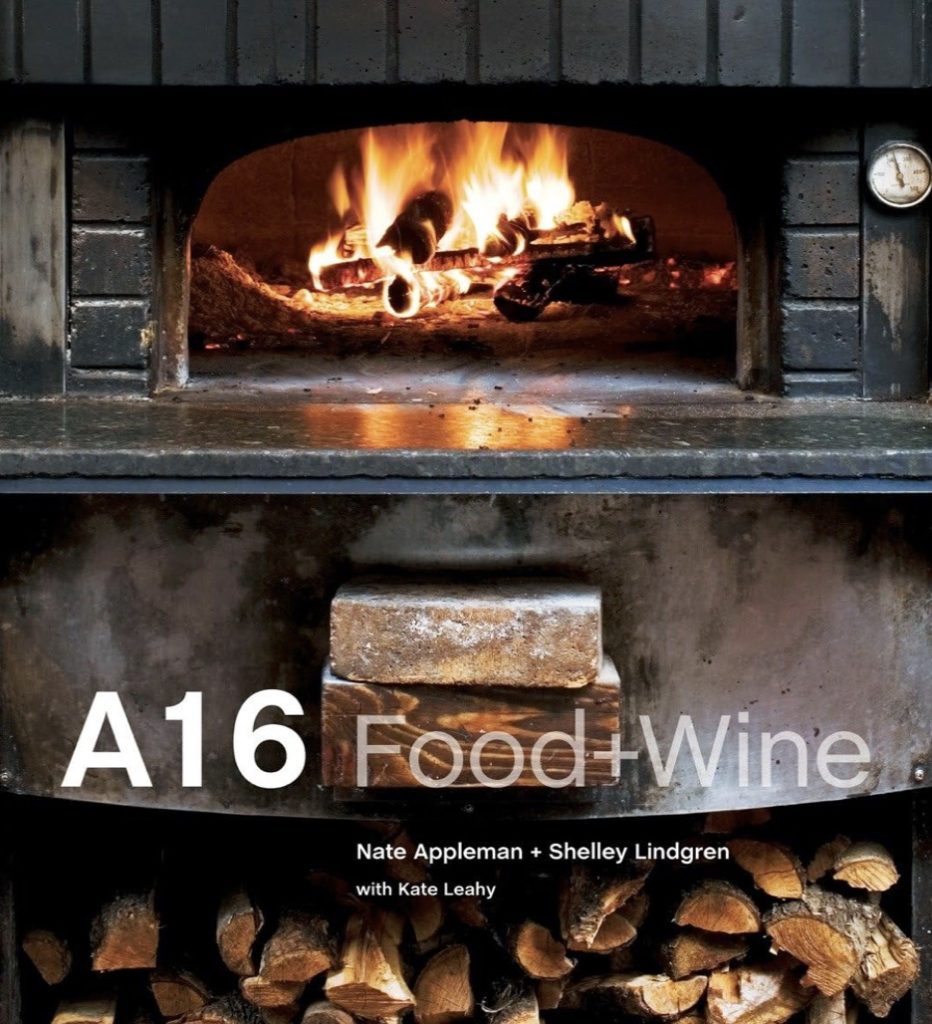
The roots of Italian Wine stretch back many years through Kate’s collaboration with sommelier Shelley Lindgren. Their partnership began with A16, the influential cookbook tied to Shelley’s San Francisco restaurant, named after the autostrada running through southern Italy. That project emerged at a time when American Italian cookbooks still often focused on familiar “greatest hits” rather than deeply regional food traditions, and Shelley’s wine program was equally groundbreaking in introducing diners to lesser-known southern Italian wines.
As Kate described it, when A16 opened in 2004, many wine drinkers in the United States weren’t seeking out southern Italian wines. They knew the famous French names, California wines, and a handful of better-known Italian bottles, but wines from Campania, Basilicata, Calabria, or Puglia were often overlooked. Shelley recognized their potential early, sourcing wines that, at the time, some distributors were practically eager to offload.
That original experience eventually sparked the idea for a wine book focused specifically on southern Italy. Their publisher pushed for something bigger: all of Italy. At first, the idea seemed wildly ambitious, and understandably so. Italy’s wine landscape is so diverse that each region could justify its own book. Yet in hindsight, the broader scope makes perfect sense, especially for readers seeking a big-picture introduction to Italian wine.
A Thoughtfully Structured Guide for Real-World Wine Exploration
What also makes this book especially useful is its intelligent structure. Beyond simply organizing Italy’s wine regions alphabetically - a decision that makes the book wonderfully approachable for readers who may not immediately place every region on the map - Kate and Shelley have built in layers of information that make this far more than a simple regional wine listing.
The book opens with a substantial introductory section titled Understanding Italian Wine, which provides exactly the kind of grounding many readers need before diving into the regional chapters. This first section offers a concise but valuable overview of Italian history, the country’s geography and land, native grape diversity, and the often-confusing naming conventions and wine laws that can make Italian wine feel intimidating to newcomers. There is also a particularly appealing section titled What Grows Together Goes Together: Italian Wine at the Table, which explores one of the most intuitive and satisfying ways to understand Italian wine - through its natural relationship with regional food traditions.
That philosophy carries beautifully into the regional chapters themselves. Each wine region begins with background that helps place it in context, followed by information about the land, the wines, and the grape varieties that define that particular area. Rather than simply naming grapes, the book offers useful context that helps readers begin to understand why those grapes matter and what role they play in the local wine culture.
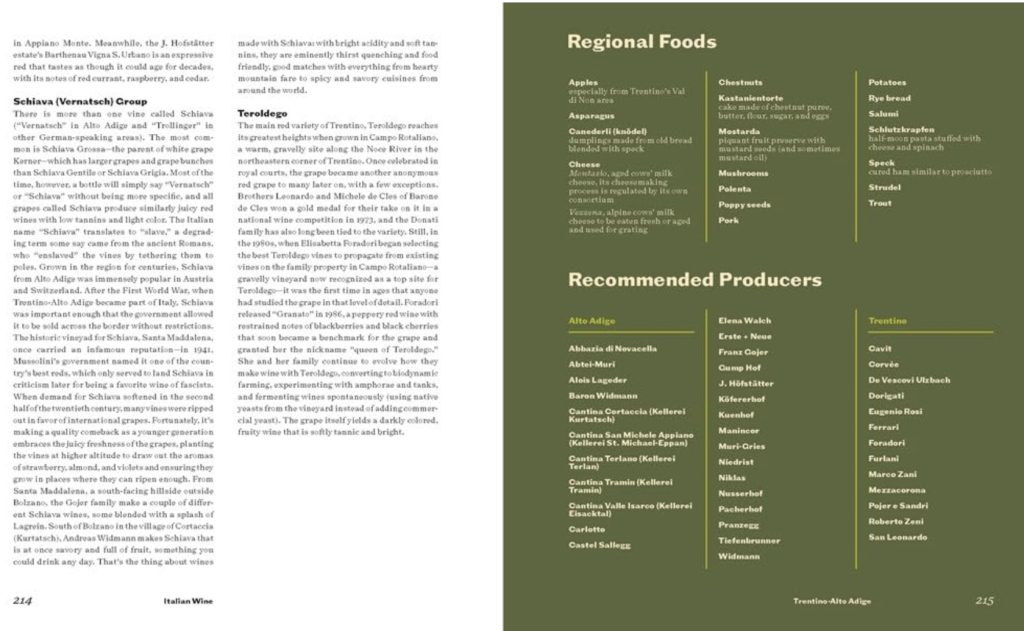
One of the practical aspects of the book is the inclusion of regional food sections, because wine in Italy is never meant to exist in isolation. Understanding what people traditionally eat in a given region adds another dimension to understanding what they drink. If you happen to be traveling through Italy, these sections become especially useful, offering a kind of culinary roadmap alongside the wine education.
The regional chapters also include recommended producers by name, an excellent feature for readers who may be planning travel or simply want practical guidance in seeking out strong examples of a region’s wines. That transforms the book from a passive reference into something genuinely actionable.
And the thoughtful organization continues through the back matter. There’s a glossary of key Italian wine terms, a recommended reading section, digital and audio resources, a selected bibliography, a grape index, and a general index - all of which reinforce that this is a book designed not simply to be read once, but to be consulted, revisited, and used.
Have a question or want to leave your own tips and recommendations? Click here to leave a comment:
Leave a CommentSouthern Italian Wines and the Shift in American Awareness
One especially fascinating thread in our conversation was how dramatically awareness of Italian wine has changed in the United States. Not all that long ago, many southern Italian wines were unfamiliar to American consumers. Today, wine lovers are far more adventurous, but even now, certain regions remain underappreciated.
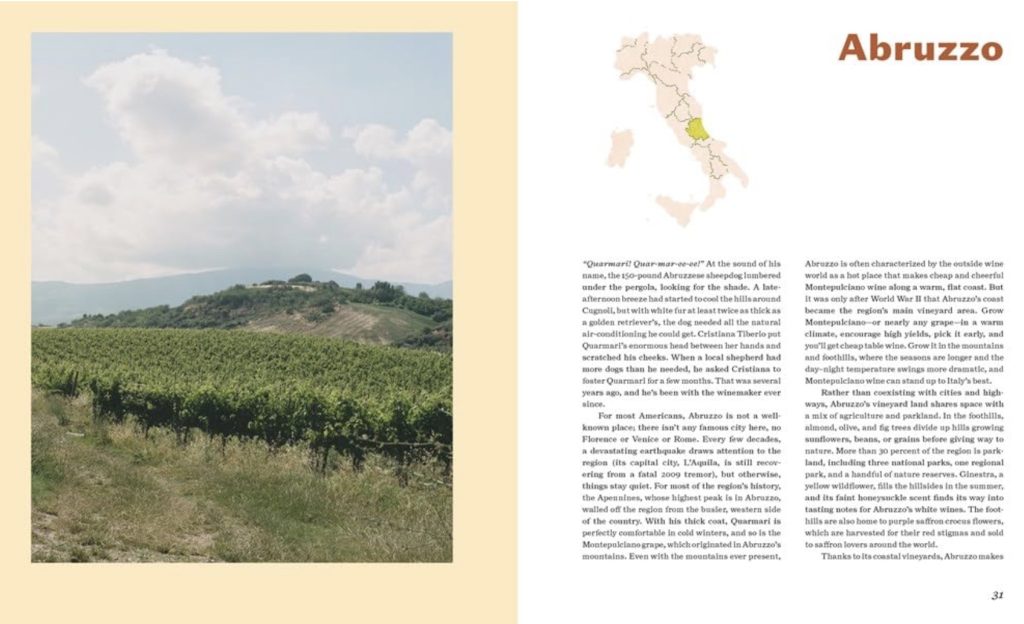
Abruzzo came up as an excellent example. Kate spoke warmly about Montepulciano d’Abruzzo, noting that it often offers remarkable quality at an attractive price point, yet doesn’t always receive the recognition it deserves because of its long association with inexpensive “cheap and cheerful” reds. That perception, while understandable historically, doesn’t reflect the full reality of what the region produces.
The conversation reminded me how often great wine regions are trapped by outdated reputations. Once a region becomes associated with volume production or simpler wines, it can take decades for broader perception to catch up with quality improvements and serious producers.
Rosé in Italy: Far More Than a Summer Wine
One part of our discussion I especially enjoyed was our conversation about rosé, because it highlights a difference between how wine is often perceived internationally and how it’s enjoyed in Italy.
In many places, rosé is still treated as a seasonal novelty, something to drink in warm weather and then largely forget once autumn arrives. In Italy, that mindset doesn’t hold nearly as strongly. Rosato is often simply part of the natural wine landscape, appreciated for its versatility and food-friendliness throughout the year.
Kate mentioned Cerasuolo from Abruzzo as one of her favorites, and rightly so. These are serious, characterful wines with structure, personality, and enormous versatility at the table. We also touched on Calabria, where Gaglioppo can produce excellent rosato, and of course Puglia, a region with a long and proud rosé tradition.
Rosé in Italy isn’t a marketing category. It’s simply wine, and often extremely good wine.

Buying Italian Wine in America: Why It’s More Complicated Than It Should Be
For readers in the United States, one challenge remains simple access. Italian wine enthusiasm has grown enormously, but distribution laws, importer reach, and state-level regulations create a frustratingly uneven landscape.
Living in Italy, I often discover bottles I’d love to recommend or even send to family in America, only to discover they’re impossible to find there.
Kate offered practical advice that I thought was especially useful: learn to pay attention to importers. If you find an Italian wine you love, look at the importer listed on the back label. Much like recognizing the imprint of a trusted publisher, becoming familiar with strong importers can help readers identify other bottles worth exploring. It’s insider advice, but in the most practical and accessible sense.
Climate Change and the Future of Italian Wine
No meaningful conversation about wine today can ignore climate change, and Italian wine is already evolving in response.
Kate pointed to Piedmont as a particularly fascinating case. For years, international attention focused intensely on Barolo and Barbaresco. Now Alto Piemonte is enjoying renewed recognition, in part because warming temperatures are making cooler northern zones increasingly attractive for serious wine production.
Historically, Alto Piemonte was an important wine region. Economic changes eventually drew many families away from agriculture and into industrial work, leaving vineyards abandoned and reclaimed by forest. Today, a new generation is returning to revive those lands.
At the same time, traditional prestige regions are adapting their vineyard practices. South-facing slopes once prized for ripeness may now experience excessive heat. Growers are reconsidering canopy management, foliage retention, and site selection in ways that would have seemed unnecessary a generation ago.
Italy’s extraordinary grape biodiversity may ultimately prove to be one of its greatest strengths in adapting to these changes.
PIWI Wines, Innovation, and the Tension Between Tradition and Change
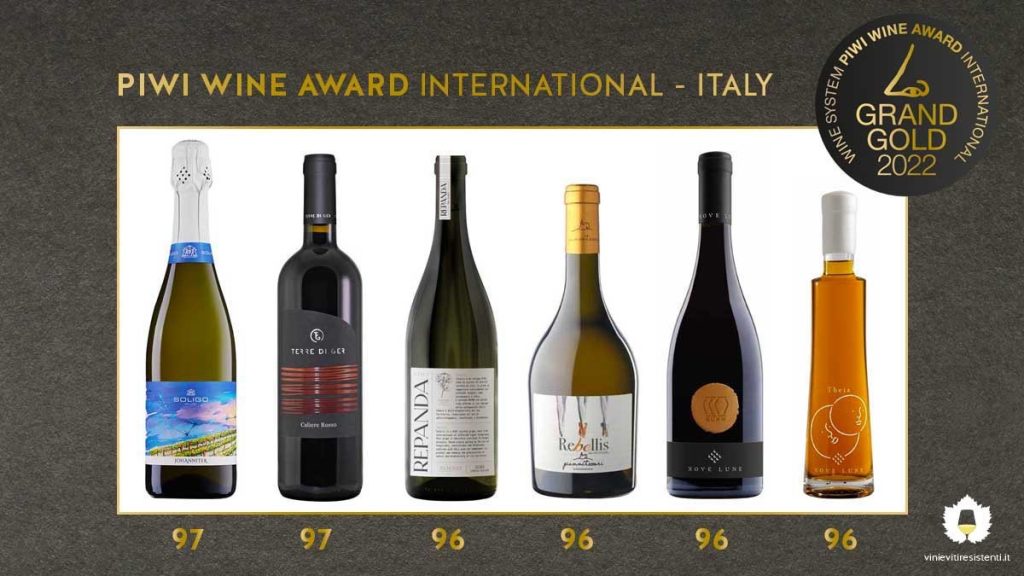
We also discussed PIWI wines - disease-resistant hybrid varieties designed to reduce the need for chemical treatments. For anyone who feels protective of traditional wine culture, this can initially sound unsettling. Italy’s wine identity is so deeply tied to heritage that innovation sometimes feels instinctively suspect.
But climate realities demand new thinking. If alternative rootstocks, hybrids, or evolving vineyard practices can reduce environmental strain while producing compelling wines, those possibilities deserve serious attention.
Italy has always evolved, even when its traditions appear timeless. Preservation and adaptation are often more closely linked than we imagine.
Discovering the Real Italy Through Wine
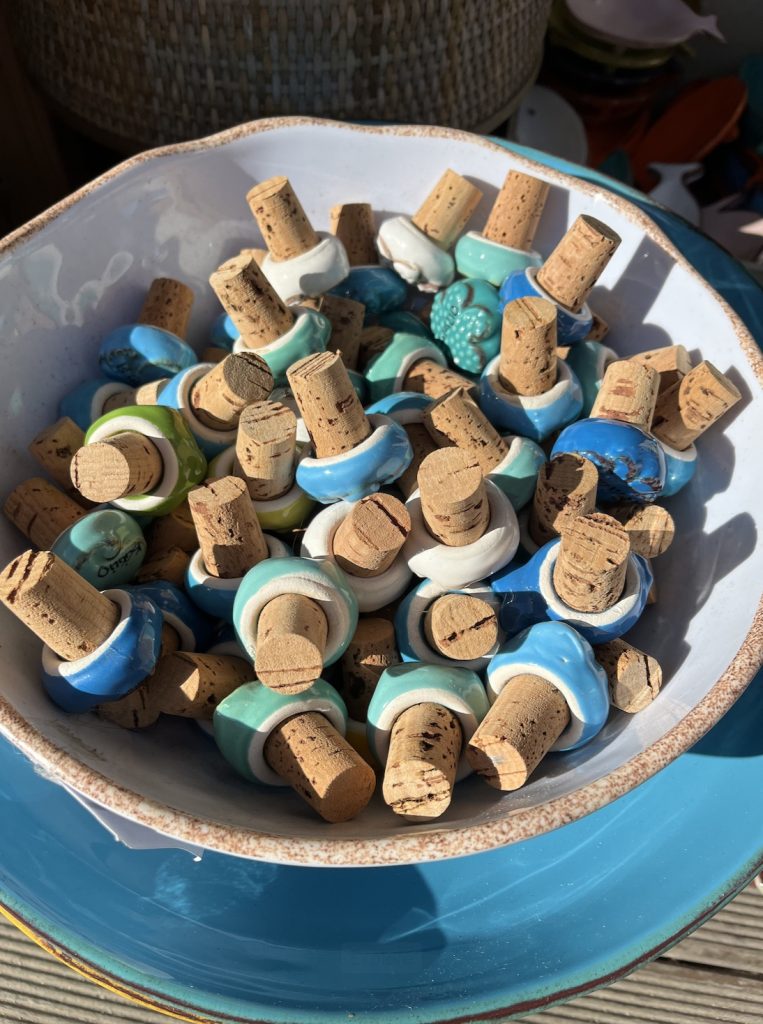
One of my favorite parts of our conversation involved Kate’s reflections on traveling through Italy while researching the book. Not polished tourist itineraries, but the quieter, deeply authentic places that most visitors never experience.
She spoke beautifully about time spent with wine producer Cristiana Tiberio in Abruzzo, moving between mountain landscapes and the Adriatic coast in remarkably short distances, absorbing not only the physical beauty of the region but the passion of a producer deeply connected to her land.
One especially memorable experience involved wandering through an abandoned hill town nearby, a haunting reminder of how fragile continuity can be. Wine traditions survive because people choose to preserve them, often against economic or social pressures.
That led naturally into broader reflections on Italy’s wine culture, including regions like Lazio, where I live. Lazio has every natural advantage one could imagine for serious wine production, yet historically hasn’t always fulfilled that potential. Part of that story lies in disruption, including the destruction of vineyards during the Second World War and the long recovery that followed.
Italian wine is never simply about grapes or bottles. It’s about history, migration, resilience, economics, land, and people.
Why This Book Matters for Anyone Curious About Italian Wine
What Kate Leahy and Shelley Lindgren have created is an inviting and genuinely useful guide for readers at different levels of wine knowledge. If you already love Italian wine, this book will deepen your understanding of its regions, grapes, and traditions. If you’ve been curious but unsure where to begin, it offers a clear, approachable, and intelligent introduction without ever feeling intimidating or overly technical. More than simply presenting facts, the book helps readers better understand how Italian wine fits into the country’s culture, history, and food traditions, making it a resource that is both informative and highly practical.
Explore more posts on Italian wine
2026 wine trends
Passito di Pantelleria, a sweet Italian island wine
Choosing the right wine glass




Please leave your comment here. Your feedback is important!