
Why Italian Republic Day Matters
Every year on June 2, Italy pauses to celebrate one of the most important moments in its modern history. Across the country, Italian flags appear on balconies, official ceremonies take place in cities and towns large and small, and in Rome the skies are filled with the colors of the national flag as the Frecce Tricolori soar overhead. For many Italians, it is a welcome holiday that signals the arrival of summer, but Italian Republic Day is far more than a day off from work. It commemorates a decision that fundamentally changed the nation and shaped the Italy we know today.
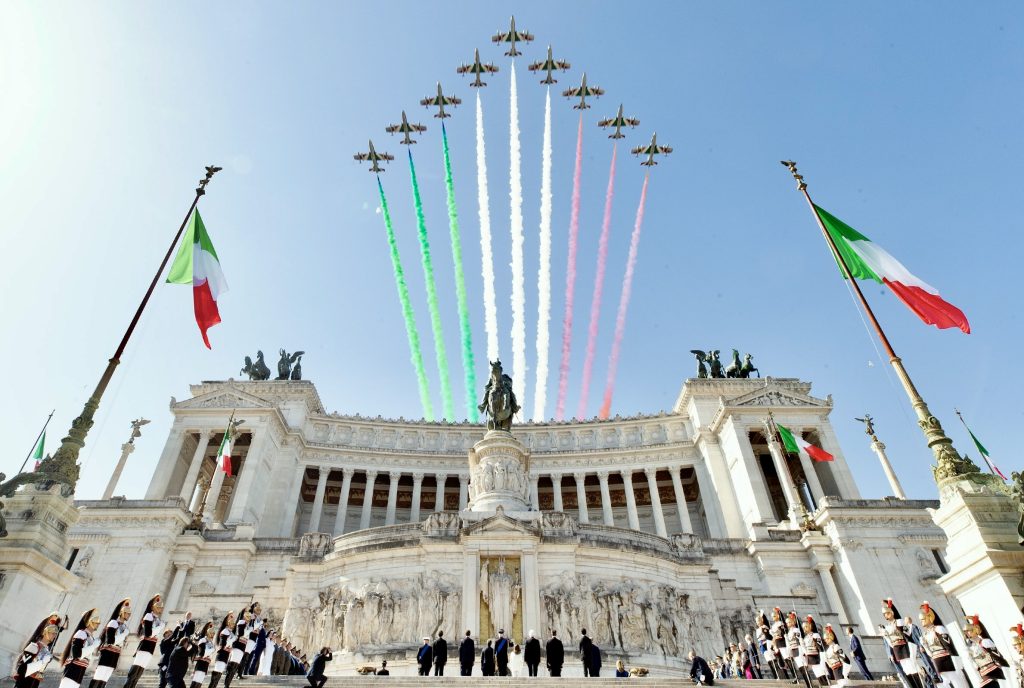
What makes Italian Republic Day (Festa della Repubblica) particularly fascinating is that it is not a celebration of the country's founding, nor does it commemorate a military victory or a declaration of independence. Instead, it marks the anniversary of a democratic choice made by ordinary citizens in the aftermath of World War II. On June 2 and 3, 1946, Italians went to the polls and voted to abolish the monarchy and establish a republic. In doing so, they helped define the future direction of their nation at a moment when the country was still struggling to recover from one of the most difficult periods in its history.
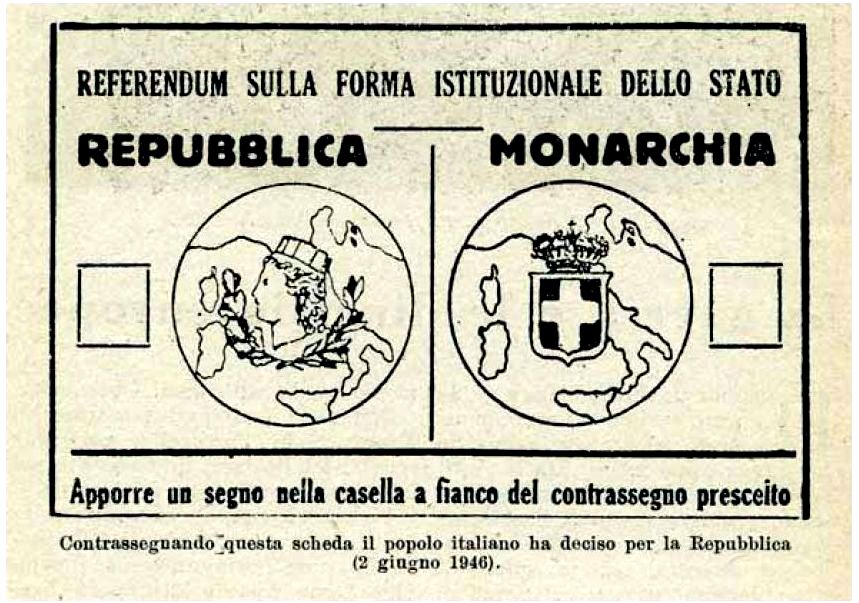
As Italy marks the 80th anniversary of that historic referendum in 2026, Italian Republic Day offers a perfect opportunity to reflect on how the modern republic was born and why the events of June 1946 continue to resonate today.
Italy in the Aftermath of War
To appreciate the significance of Italian Republic Day, it is necessary to understand what Italy looked like when the war ended. By 1945, the country had endured years of conflict, occupation, bombing, and political turmoil. Cities throughout Italy had suffered extensive damage, transportation networks were in disrepair, and many families were coping with the loss of loved ones. Food shortages were common, and rebuilding daily life was a challenge that touched virtually every community.
The physical destruction was only part of the story. Italians were also forced to confront difficult questions about the nation's political future. For nearly a century, Italy had been ruled by the House of Savoy, the royal family that had overseen the unification of Italy in the nineteenth century. The monarchy was deeply intertwined with the country's modern identity, but many Italians had become disillusioned with its role during the Fascist era.
King Victor Emmanuel III had appointed Benito Mussolini as prime minister in 1922 and remained on the throne throughout much of the Fascist period. Although he eventually dismissed Mussolini in 1943, many Italians believed the monarchy had failed to prevent the rise of dictatorship and had not done enough to defend democratic institutions. As the war ended, the future of the monarchy became a subject of intense debate. Should Italy continue under a king, or was it time for a fresh start?
The Referendum That Changed Everything
The answer would not be determined by politicians or military leaders. Instead, it would be placed directly in the hands of the Italian people. On June 2 and 3, 1946, citizens across the country participated in a national referendum that asked a simple question: should Italy remain a monarchy or become a republic?
The simplicity of the question belied the enormous consequences of the decision. Italians were being asked to determine the political structure of their nation at a moment when the wounds of war were still fresh. The referendum represented a remarkable exercise in democracy and a profound act of faith in the future.
One of the most significant aspects of the referendum was the participation of women. Italian Republic Day is closely connected to a milestone in Italian democracy because this was the first national election in which Italian women were able to vote. Women had participated in local elections, but this referendum marked their first opportunity to cast ballots in a nationwide vote. Across the country, women joined men at polling stations and helped shape the future of Italy. Their participation expanded the democratic process and ensured that the decision reflected a broader segment of Italian society than ever before.
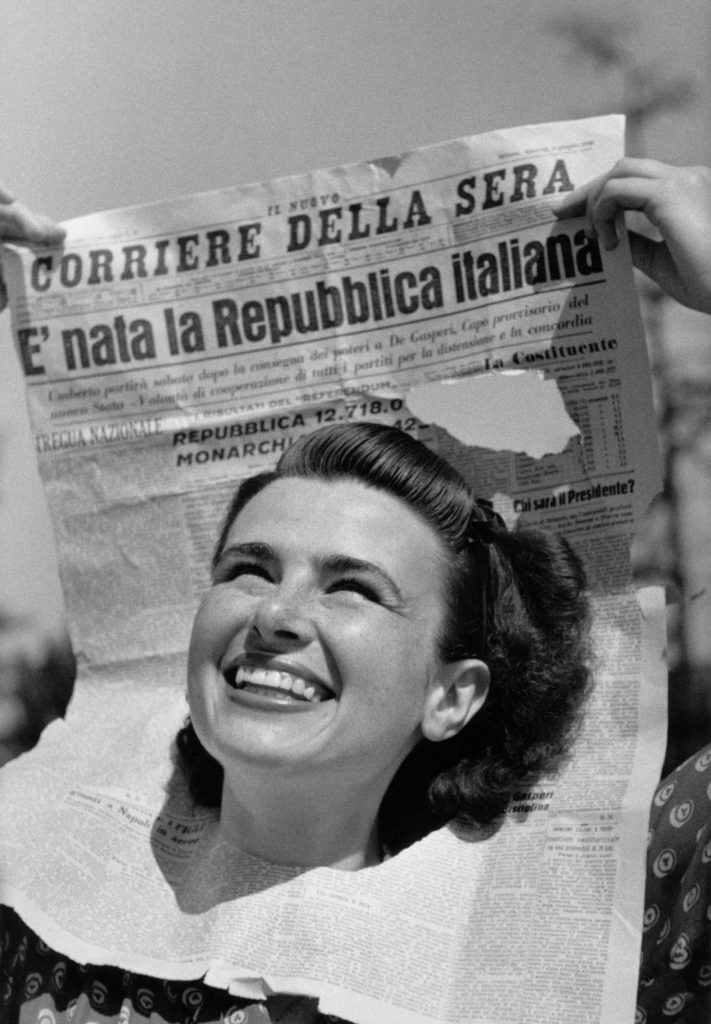
The atmosphere surrounding the referendum was one of hope, uncertainty, and anticipation. Many Italians viewed the vote as an opportunity to turn the page on the past and begin building a different future. Others remained loyal to the monarchy and believed it should continue to serve as a symbol of national unity. Whatever their views, citizens understood that they were participating in a historic moment.
A Close Vote and a New Beginning
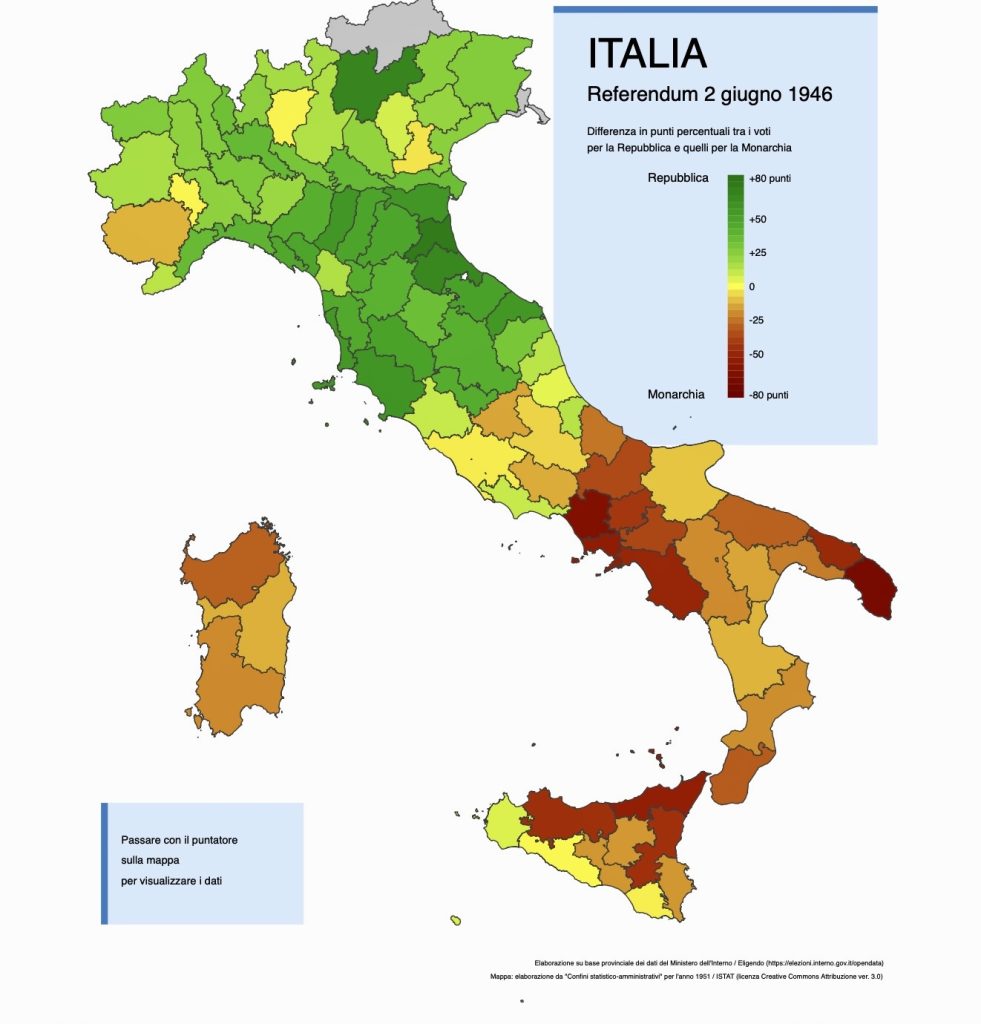
When the results were announced, the outcome revealed a nation that was divided but determined to move forward. Approximately 54 percent of voters chose the republic, while about 46 percent supported the monarchy. The margin was clear enough to establish the result, but close enough to demonstrate that many Italians remained attached to the royal institution.
The voting patterns also revealed significant regional differences. Northern Italy generally voted strongly in favor of the republic, while many southern regions supported retaining the monarchy. Historians continue to study these differences, which reflected varying wartime experiences, political traditions, and social conditions. Yet despite the divisions, the democratic process prevailed. Italians had spoken, and the country accepted the result.
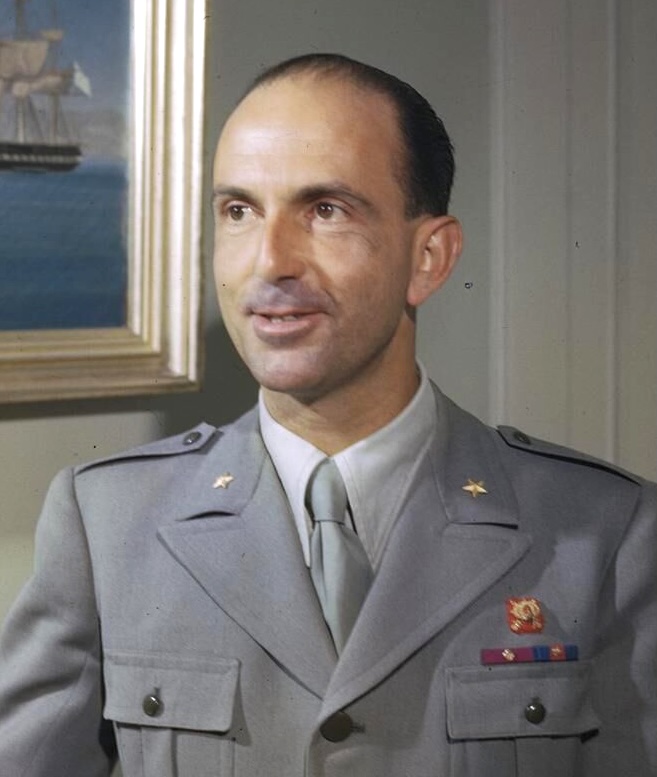
The victory of the republic marked the end of an era. King Umberto II, often called the "May King" because of his brief reign, left Italy and entered exile. The House of Savoy's role in governing the country came to an end, and a new chapter in Italian history began. Italian Republic Day commemorates this peaceful transition and the willingness of Italians to embrace democratic change during a period of enormous uncertainty.
Have a question or want to leave your own tips and recommendations? Click here to leave a comment:
Leave a CommentCreating the Modern Italian Republic
The referendum was only the first step in building a new political system. Following the vote, an elected Constituent Assembly began drafting a constitution that would establish the framework for the republic. The resulting Constitution of the Italian Republic remains in force today and continues to shape Italian political life.
The constitution reflected the lessons learned from Fascism and war. It emphasized democratic institutions, civil liberties, political representation, and protections designed to prevent the concentration of power in the hands of a single leader or party. For many Italians, the constitution represented more than a legal document. It embodied a collective determination to create a more democratic, stable, and inclusive society.
When Italians celebrate Italian Republic Day today, they are not simply commemorating a vote. They are also recognizing the creation of a constitutional framework that has guided the nation for eight decades. The values established during those postwar years continue to influence Italian society and remain an important part of the country's identity.
The Human Side of Italian Republic Day
What I find most compelling about Italian Republic Day is not the political process itself but the ordinary people who participated in it. History often focuses on leaders, governments, and institutions, but the referendum was ultimately decided by millions of individual citizens who brought their own experiences, hopes, and concerns to the ballot box.
Imagine the farmers, teachers, shopkeepers, factory workers, and parents who walked to polling stations in June 1946. Many had endured years of hardship. Some had lost family members during the war. Others were simply trying to rebuild their homes and create a sense of stability for their children. None of them could know exactly what the future would bring, yet together they made a decision that would influence generations of Italians.
This human dimension is what gives Italian Republic Day its enduring emotional power. The republic was not handed down by a king or imposed by a government. It was chosen by ordinary people who believed that Italy could chart a new course after years of turmoil. Their decision helped shape the nation that visitors experience today, from its vibrant cities and thriving cultural traditions to its democratic institutions and active civic life.
How Italy Celebrates Today
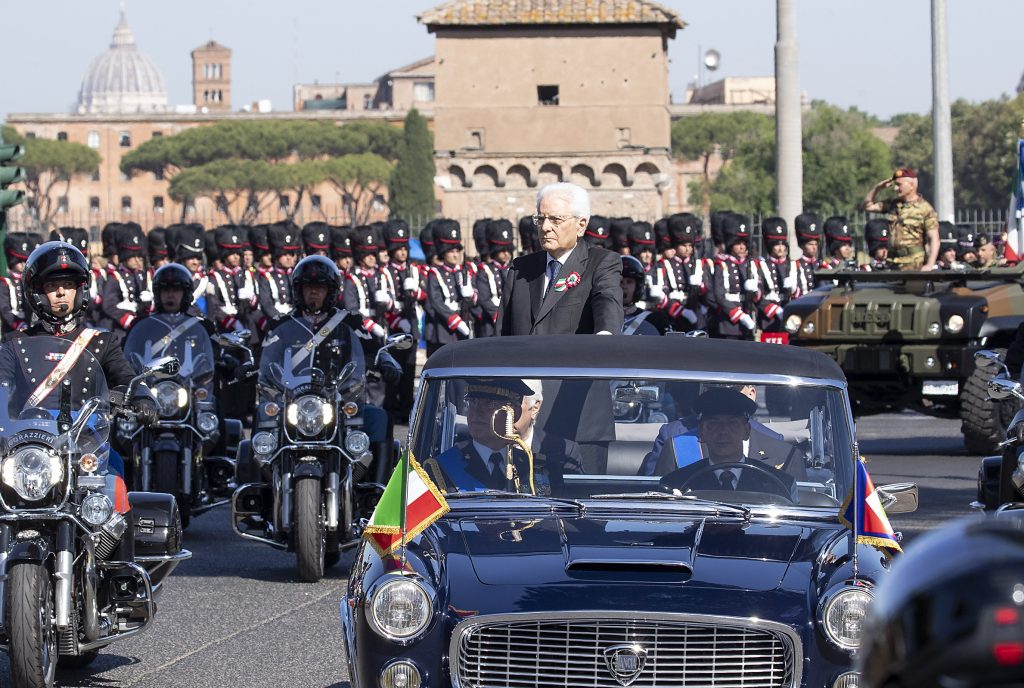
Modern celebrations of Italian Republic Day combine official ceremony with public participation. The most visible events take place in Rome, where the President of the Republic lays a wreath at the Tomb of the Unknown Soldier at the Altare della Patria. A military parade proceeds along Via dei Fori Imperiali, showcasing members of Italy's armed forces and other public institutions.
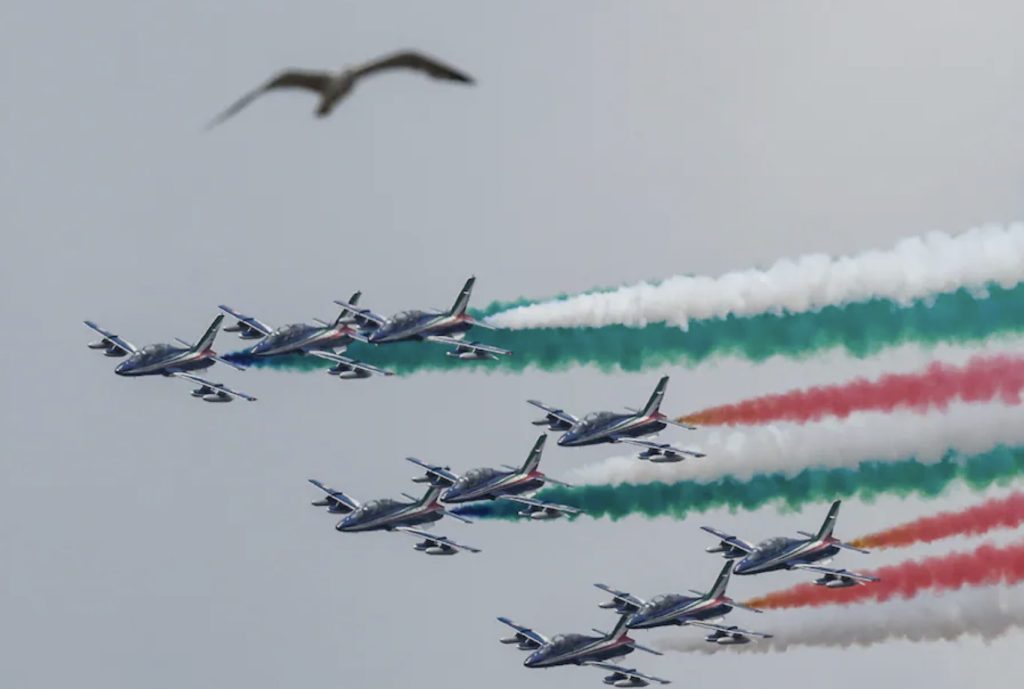
For many spectators, however, the highlight of the day is the appearance of the Frecce Tricolori. As the aircraft fly over Rome trailing green, white, and red smoke, they create one of the most memorable visual spectacles of the Italian calendar. The display attracts residents and visitors alike and has become one of the most recognizable symbols of Italian Republic Day.
Beyond the official ceremonies, communities throughout Italy organize local celebrations, concerts, exhibitions, and cultural events. Families gather around the table, friends enjoy long lunches together, and many people take advantage of the holiday to spend time outdoors. While there is no traditional food associated specifically with Italian Republic Day, the emphasis on gathering with loved ones feels entirely appropriate for a holiday that celebrates a collective national choice.
A Book That Brings This Era to Life
For readers who would like to gain a deeper understanding of the Italy that emerged from World War II and ultimately voted to become a republic, I highly recommend History by Elsa Morante. Although the novel is not specifically about the referendum itself, it captures the atmosphere of wartime and postwar Italy in a way that few historical accounts can match.
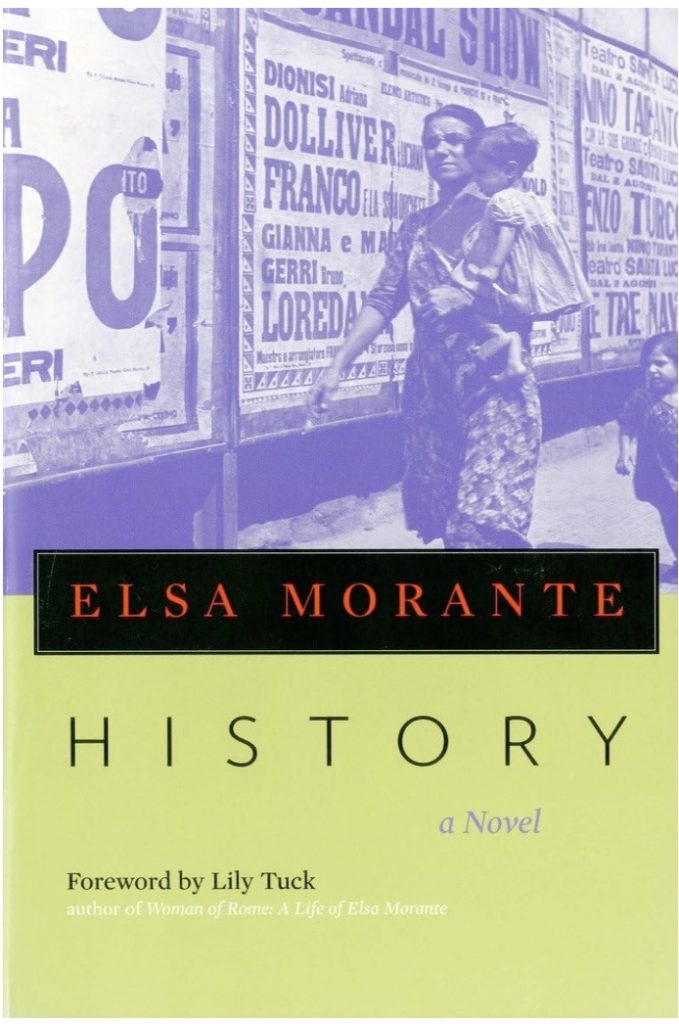
Morante tells the story through the experiences of Ida Ramundo, a schoolteacher in Rome, and her family as they navigate bombings, food shortages, occupation, uncertainty, and loss. Rather than focusing on political leaders and major events, the novel reveals how ordinary Italians experienced the upheavals that transformed their country. The result is an intimate and moving portrait of a society struggling to survive while searching for hope.
Reading History helps illuminate the world that produced Italian Republic Day. It reminds us that the referendum of 1946 was not simply a political event but a decision made by real people whose lives had been shaped by war and hardship. Through Morante's characters, readers gain insight into the emotions, challenges, and aspirations that influenced a generation of Italians as they looked toward the future.
The Legacy of Italian Republic Day
Eighty years after the referendum, Italian Republic Day remains one of the most significant observances on the national calendar. It celebrates democracy, civic participation, and the ability of a nation to reinvent itself after a period of profound crisis. The holiday serves as a reminder that modern Italy was shaped not only by famous historical figures but also by millions of ordinary citizens who believed in the possibility of change.
The next time you find yourself in Italy on June 2, take a moment to look beyond the parades, flags, and celebrations. Italian Republic Day commemorates a remarkable act of collective decision-making and a turning point in the country's history. It marks the moment when Italians chose a new path forward and laid the foundations for the republic that continues to define the nation today.
More on What to Do in Rome!
Cook with Me! Start off with my summer recipe e-book!
Check out these Rome Summer Festivals
Culinary Walking Tour of Rome




Please leave your comment here. Your feedback is important!