
When I opened my newspaper last week, one photograph immediately caught my attention. It showed a smiling 96-year-old Italian named Sergio Sanfilippo along with his wife. Years ago, he had begun working toward his degree but never quite finished it. Life took over. He built a career, married, raised a family, and eventually retired. Yet there was one goal he had never forgotten.
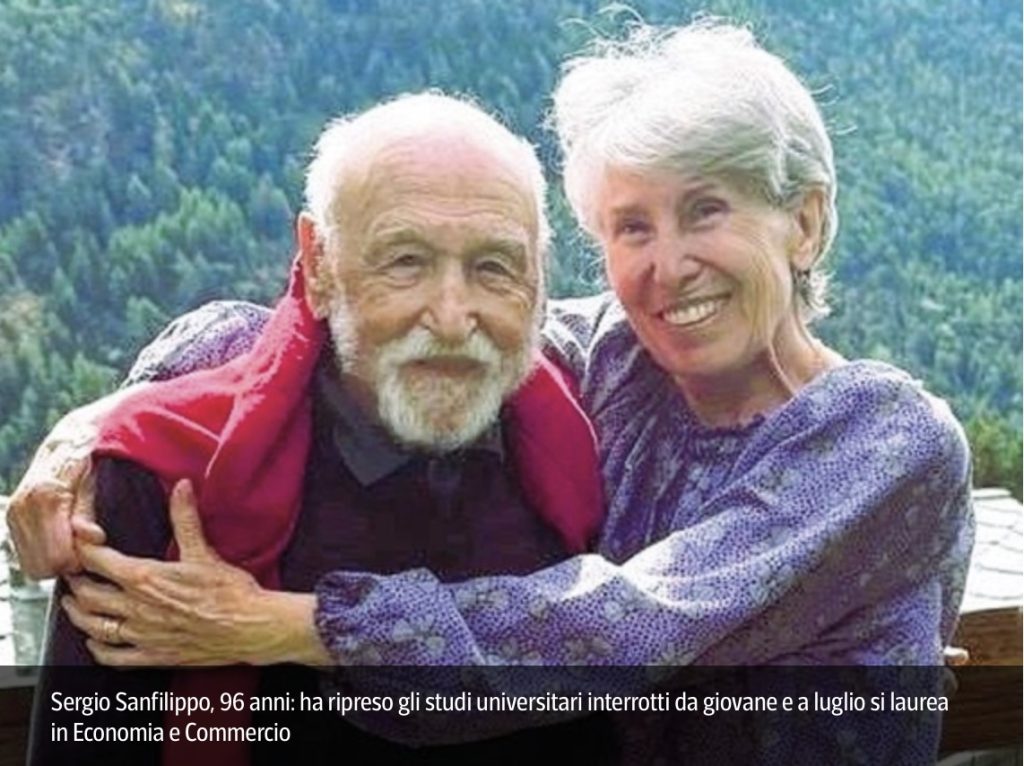
At 96, he decided it was finally time to complete the two remaining courses he needed to graduate. He returned to university, passed both exams, and earned his degree with honors. His story is remarkable not simply because of his age, but because it reflects a way of thinking that I encounter again and again in Italy. Here was a man who never believed he was too old to accomplish something meaningful.
His story also reminded me of something I had read only a few weeks earlier. A man in his forties had asked on a Substack writing platform if he was already too old to write a book. I remember thinking how surprising that question seemed. One person was wondering if opportunity had already passed him by, while another - more than double his age - was proving that new achievements are possible at 96.
After living in Italy for more than 43 years, I've often been asked about Italian longevity. People usually assume the answer is simple: the Mediterranean diet. Certainly food plays an important role, but I don't think it tells the whole story. In my experience, Italian longevity comes from a combination of habits, attitudes, relationships, and daily routines that work together over an entire lifetime.
Italian Longevity Begins with Everyday Eating
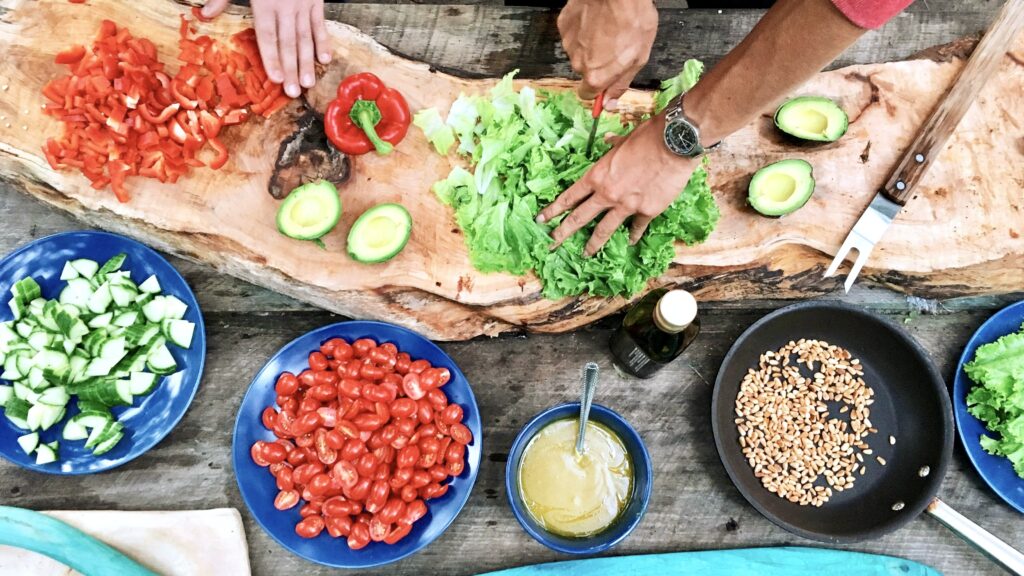
Whenever people think about why Italians live longer, they almost always begin with food, and for good reason. Italians generally eat a diet rich in vegetables, fruit, legumes, whole grains, seafood, and extra virgin olive oil. Red meat appears much less frequently than it does in many other countries, and meals are built around seasonal ingredients rather than highly processed convenience foods.
What often surprises visitors is how frequently Italians shop. Instead of filling enormous refrigerators and pantries with food meant to last several weeks, many families stop at the market or supermarket every day or every few days. Fresh ingredients are simply part of everyday life. Shopping for dinner also becomes another opportunity to walk, greet neighbors, and remain connected to the community.
Another important difference is portion size. Italians certainly enjoy pasta, and despite what many people believe, they don't avoid it because of carbohydrates. In fact, many Italians eat pasta every day. The difference isn't what they eat but how much they eat. Portions are moderate, meals are balanced, and people generally stop eating when they're satisfied rather than overly full.

Restaurant meals reflect that same philosophy. If you order veal in Italy, that's exactly what arrives on your plate. If you would like vegetables or potatoes, you order them separately as a contorno. There isn't an expectation that every plate should be piled high with food. It's a simple approach, but over the course of decades it makes a significant difference.
Family and Community Are Part of Healthy Living
Food is only one piece of the puzzle. If I had to choose another factor that contributes to Italian longevity, I would immediately say community.
My daughter and her family live on the lower level of our home outside Rome. We each have our own entrance and completely independent lives, but I see my grandchildren every day. Sometimes I'll have a coffee with my daughter. Other times I'll simply spend a few minutes chatting with the children before dinner. These aren't scheduled family events. They're simply part of everyday life.
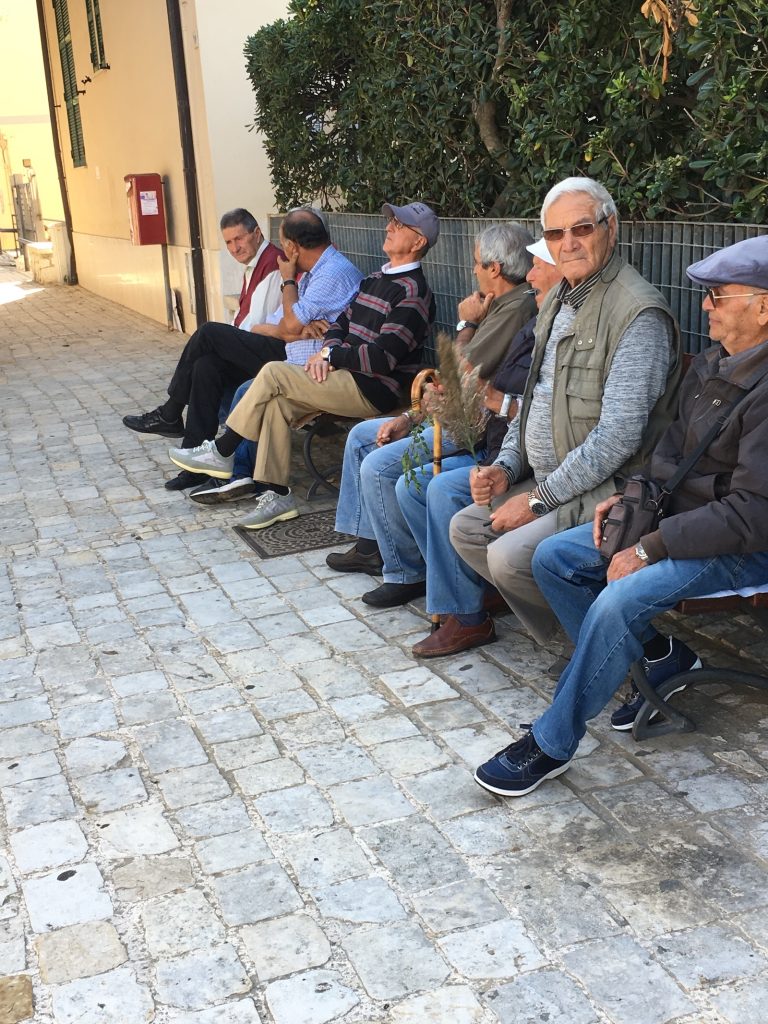
That kind of closeness is still very common throughout Italy. Parents, grandparents, children, and grandchildren often live near one another, making it easy to help each other, share meals, and spend time together. Older family members remain actively involved rather than becoming isolated. That sense of belonging provides emotional support that is difficult to measure but impossible to overlook.
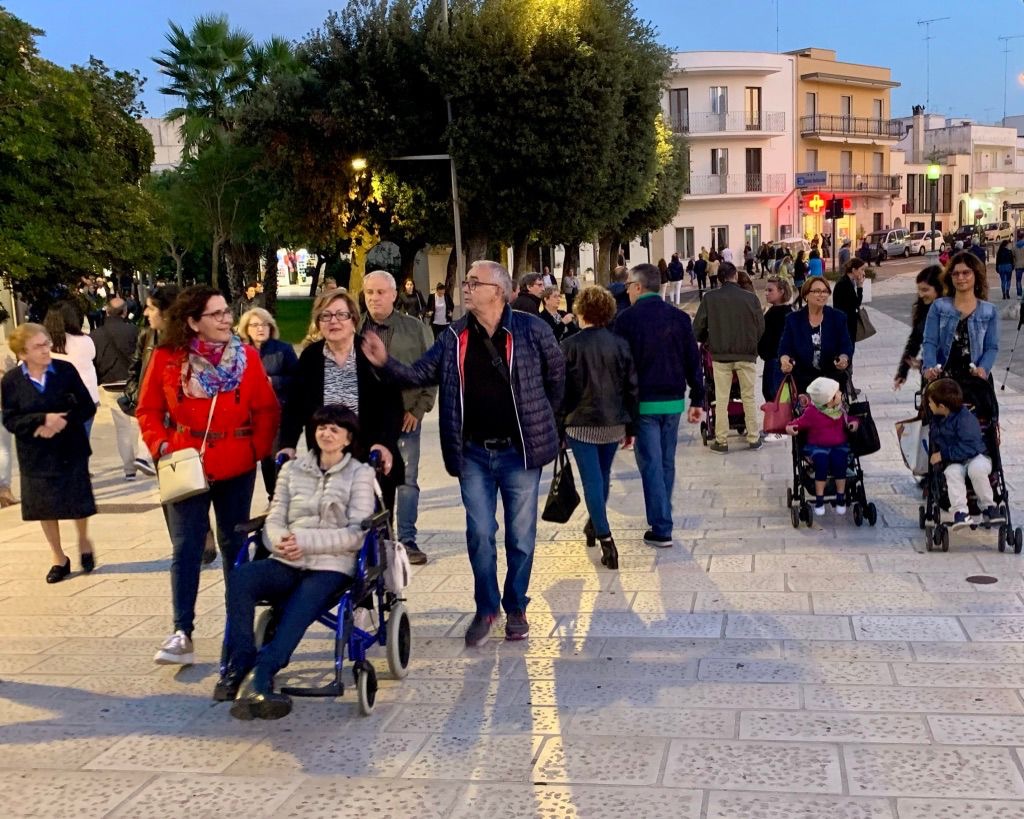
Community extends well beyond the family. Every evening, especially during the warmer months, towns and villages come alive as people head out for the passeggiata. Friends meet in the piazza, neighbors stop to chat, children play, and people enjoy an evening walk together. The walk itself matters, but just as important is the opportunity to connect with other people on a regular basis.
Movement Is Simply Part of Daily Life
One of the greatest misconceptions about healthy aging is that exercise must take place in a gym. Italians certainly go to fitness centers, but much of their daily activity happens naturally.
People walk to the market, climb stairs, work in their gardens, carry groceries home, prepare homemade meals, and spend time outdoors. They aren't necessarily counting steps or tracking calories. They simply remain active because movement is woven into everyday routines.
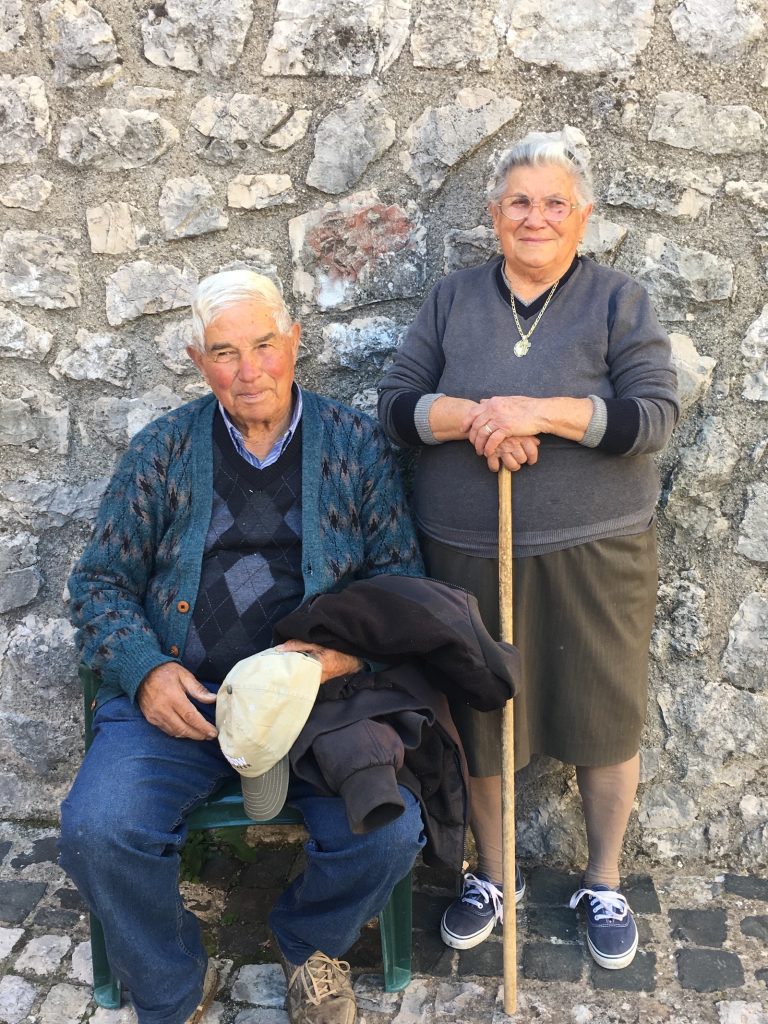
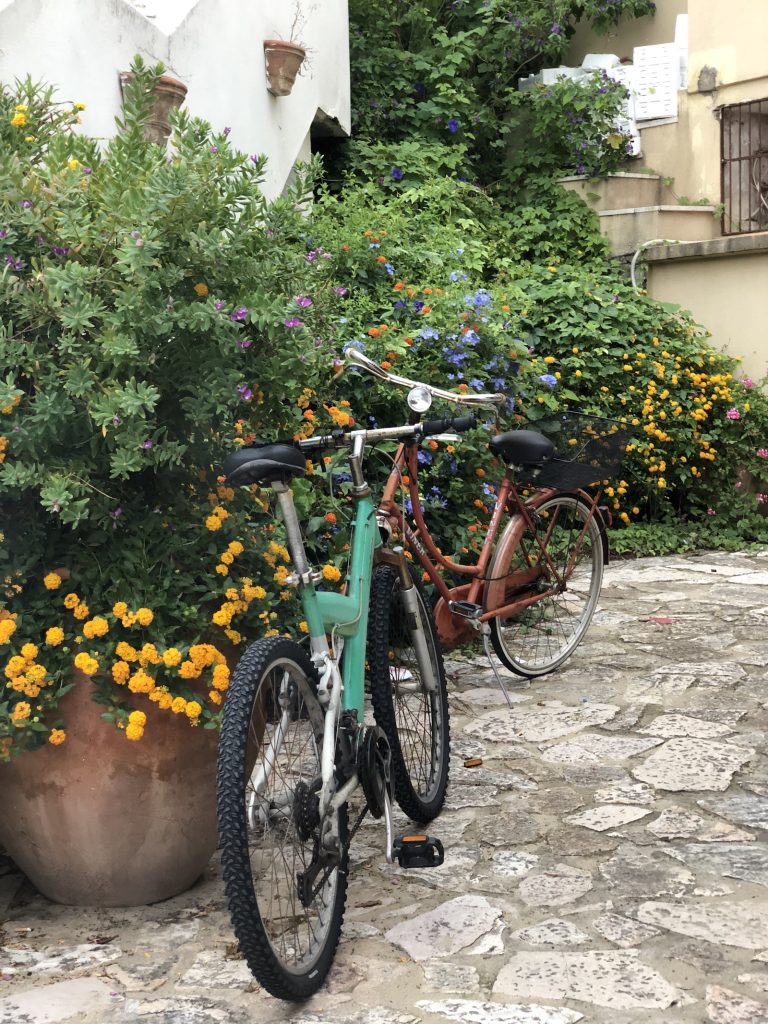
One of my favorite examples comes from a small hill town above the beautiful seaside village of Sperlonga. The town is well known for the remarkable longevity of its residents. During one visit, I met a delightful couple in their eighties. The husband had spent the morning harvesting olives on the steep hillside below the village. When he finally returned home, he walked all the way back carrying a heavy sack of olives over his shoulder.
Watching him climb that winding road was a powerful reminder that staying active doesn't always require a workout plan. Physical activity was simply part of his everyday life.
The same attitude reminds me of my mother-in-law, who lived independently in Rome until she was 90. She had a perfectly good produce shop directly beneath her apartment building, yet she often chose to walk much farther to an outdoor market because she enjoyed the walk. She wasn't exercising because someone told her she should. She simply believed that staying active was part of living well.
Italians Understand the Importance of Slowing Down
Years ago, before I settled permanently in Italy, I proudly told my future husband that I had hardly ever taken a vacation. At the time I considered that something to be proud of. I thought it demonstrated commitment to my career.
Instead, he looked at me as though I had completely lost my mind.
That conversation has stayed with me because it revealed a fundamental difference between our cultures. In Italy, slowing down isn't considered laziness. It's considered common sense. People protect weekends, take their vacation time seriously, enjoy long meals with family, and understand that rest is an essential part of a healthy life.
Even if you can't disappear for the month of August as many Italians traditionally do, there is still an important lesson here. Make time to disconnect from work. Protect your weekends whenever possible. Sit down for dinner instead of eating in front of a screen. Those moments of rest contribute to both physical and mental well-being.
Preventive Healthcare Supports Italian Longevity
Another important contributor to Italian longevity is the country's emphasis on preventive healthcare.
Italy's national healthcare system certainly has its imperfections, but one thing it does well is encourage people to look after their health before problems become serious. Every year I automatically receive an appointment for a mammogram. Preventive screenings are encouraged, family doctors are accessible, and people don't postpone medical care because they fear receiving an overwhelming bill.
Nearly ten years ago my husband underwent major heart surgery through Italy's national healthcare system. It was excellent care, and it reminded us that good healthcare isn't only about treating illness. It's also about giving people the confidence to seek medical attention when they need it.
The Greatest Secret Isn't the Mediterranean Diet
When people ask me about Italian longevity, they usually expect me to point to olive oil or pasta or red wine. Those things certainly have their place, but after more than four decades living here, I believe the greatest secret lies elsewhere.
It is the combination of fresh food, moderate portions, strong family relationships, close-knit communities, natural daily movement, time for rest, accessible healthcare, and perhaps most importantly, a positive attitude toward aging itself. Italians don't spend their lives worrying about getting old. Instead, they continue living fully at every stage of life.
That brings me back to Sergio Sanfilippo.
His university degree isn't really a story about education. It's a story about possibility. At 96, he still believed there was something worth accomplishing, and he went out and did it. I suspect that attitude is every bit as important as the Mediterranean diet when it comes to Italian longevity.
Perhaps the greatest lesson Italy has taught me is this: don't let age determine what you believe is possible. Whether your goal is learning a language, writing a book, traveling somewhere you've always dreamed of visiting, or simply becoming healthier, there is no expiration date on living a full and meaningful life.
And if a 96-year-old can graduate with honors, perhaps all of us are capable of more than we imagine.
More healthy Italian tips!
the Mediterranean diet, what you need to know
Top five ways to pollinate your vegetable garden for a bumper crop!


Please leave your comment here. Your feedback is important!