
From Ancient Rome to Modern America
When people think about macaroni and cheese history, they usually imagine a familiar American comfort dish that somehow emerged in the twentieth century and quickly became a childhood staple. Yet the real story of macaroni and cheese history stretches back more than two thousand years and begins not in North America at all, but in ancient Rome. What makes this history so compelling is that it isn’t simply the story of a recipe. It’s the story of ritual food, class identity, industrial change, migration, women’s labor, wartime necessity, and the emotional meaning of comfort at the table.
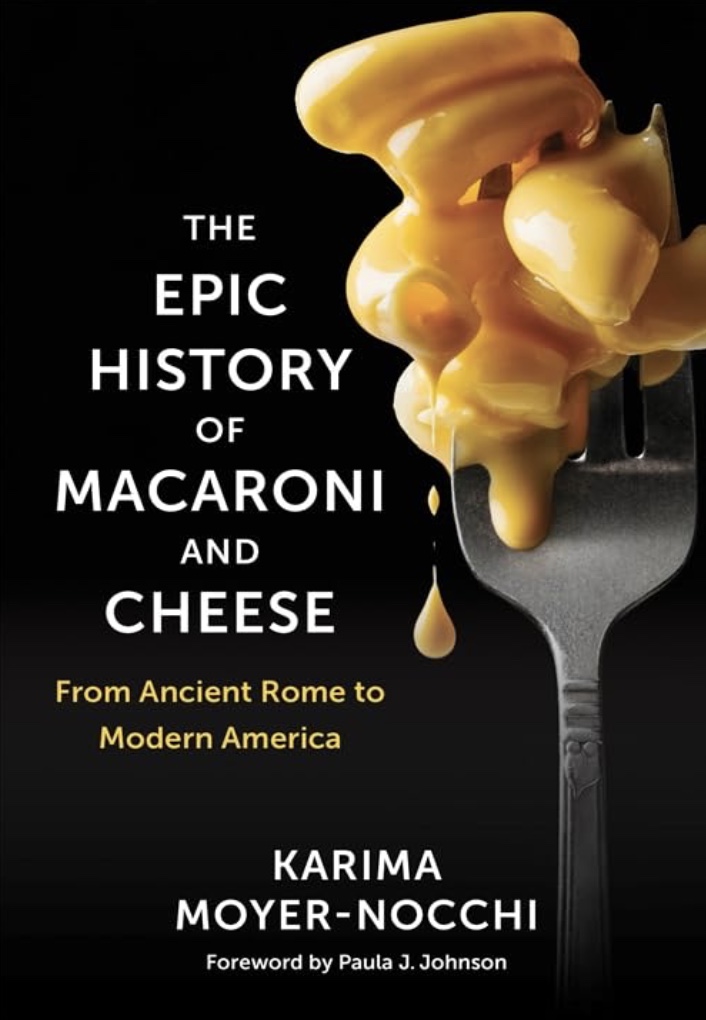
In a recent conversation on the Flavor of Italy podcast with culinary historian Karima Moyer-Nocchi, author of The Epic History of Macaroni and Cheese: From Ancient Rome to Modern America, it became clear that following the trajectory of this single dish reveals an extraordinary amount about who we are and how we eat. Macaroni and cheese history turns out to be a cultural journey as much as a culinary one.
Macaroni and Cheese History Begins in Ancient Rome
One of the most surprising discoveries in macaroni and cheese history is just how early the pairing of pasta and cheese appears. As Karima explains, references dating back to the second century BCE describe shaped dough combined with cheese in dishes associated with ritual observances and special occasions. These preparations were not everyday foods but meaningful ones, connected to seasonal celebrations and communal identity in ways that feel strikingly familiar today.
Holiday foods still function this way. People remember who made the pumpkin pie, whether the crust was homemade, and whether the recipe changed from one year to the next. In ancient Rome, pasta with cheese carried that same emotional significance. The combination of grain and dairy fat was already embedded in what Karima calls the “olfactory affective psyche,” meaning the deep sensory memory that links food to belonging and continuity. From the very beginning, macaroni and cheese history is about more than taste.
The Medieval Origins of Pasta and Cheese Recipes
As macaroni and cheese history moves into the Middle Ages, the written record becomes clearer again after an extraordinary gap of nearly eight hundred years during which few Italian cookbooks survive. When recipes reappear in the late thirteenth century, they show a direct connection between ancient Roman pasta-and-cheese dishes and what we can now recognize as early forms of macaroni and cheese.
These recipes describe flat sheets of dough about the size of the palm of a hand layered with cheese. At the time, the word macaroni did not refer to a specific pasta shape but functioned as a general term meaning pasta of many kinds. Understanding this detail is essential for interpreting macaroni and cheese history correctly, because it shows that the dish has always been defined by the relationship between pasta and cheese rather than by elbow macaroni itself.
Even more revealing is the cooking method. Pasta was often boiled in meat broth instead of water, which made the dish richer, more luxurious, and more expensive. Fatty cheeses were prized, and spice mixtures played a central role. Some seasoning blends resembled what we might today call pumpkin spice, though sharpened with black pepper, and sugar frequently appeared alongside cheese. Seen in context, these ingredients signal refinement rather than strangeness, reminding us that medieval taste preferences differed dramatically from our own.
Renaissance Luxury and the First Baked Macaroni
During the Renaissance, macaroni and cheese history becomes even more elaborate with the appearance of early baked pasta dishes layered with cheese and enriched with butter. A remarkable recipe recorded in 1570 describes pasta made from bread soaked in goat’s milk, mixed with eggs and flour to create a soft and luxurious dough, layered with both hard cheese and provola, boiled in capon broth, and finished with butter and sugar before baking.
Modern readers are often surprised by the prominence of butter in this recipe, since Italy is now strongly associated with olive oil. Yet in earlier centuries butter functioned as a powerful marker of class and wealth. Its presence signaled status just as clearly as spices or imported ingredients did. In this period of macaroni and cheese history, pasta and cheese dishes were not humble comfort foods but expressions of refinement.
Spices, Sugar, and the Evolution of Flavor
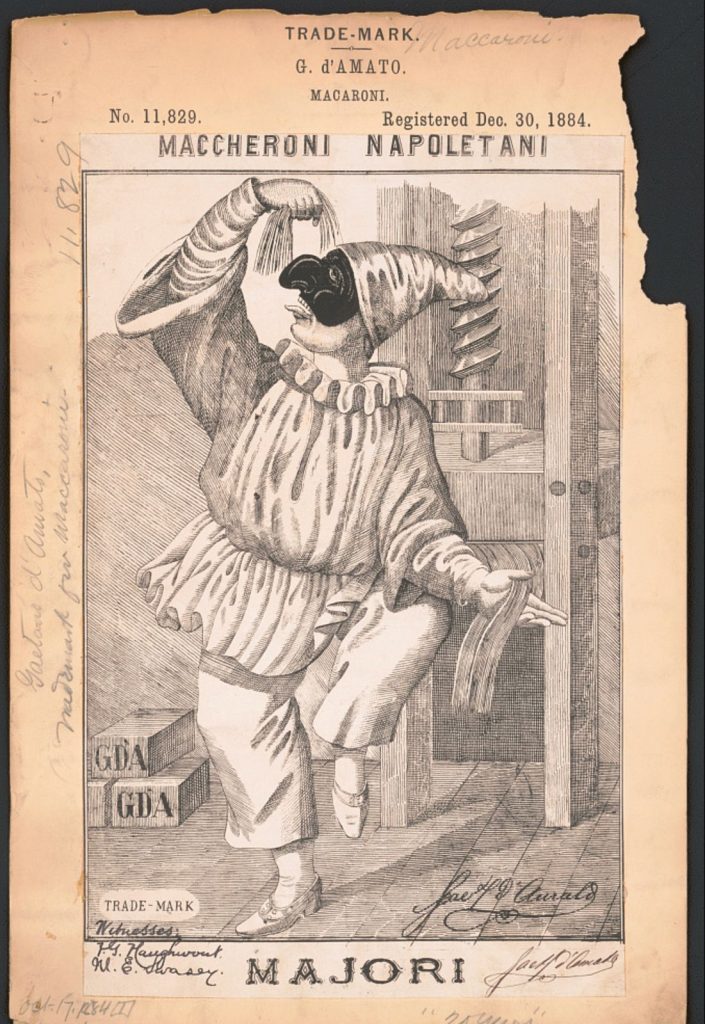
Another fascinating aspect of macaroni and cheese history is the role of spices and sugar in earlier versions of the dish. Medieval cooks often used complex spice mixtures that combined warm aromatics with pepper, creating flavor profiles very different from those familiar today. Over time, these blends gradually simplified until cinnamon alone became the dominant spice in some Renaissance recipes, sometimes accompanied by sugar and cheese in combinations that now seem unexpected but once represented the height of culinary sophistication.
These changes reflect broader shifts in trade routes, ingredient availability, and culinary fashion. As spices became less exotic and more accessible, their role in elite cooking began to change, and macaroni and cheese history shifted along with them.
Ada Boni and the Persistence of Macaroni as a Category
Even in the early to mid twentieth century, Italian culinary language preserved older meanings that illuminate macaroni and cheese history. In Ada Boni’s influential cookbook Il Talismano della Felicità (just translated into English, The Talisman of Happiness), the term macaroni still functioned as a broad category rather than a single pasta shape. Her chapter titles grouped soups, rice, and macaroni together as first courses, a structure that reflects how Italian upper-class cooking followed French culinary models for more than two centuries.
Within this framework, dishes such as macaroni in white sauce or baked macaroni with cheese and breadcrumbs show how close Italian cooking already was to what many readers would recognize as macaroni and cheese. The breadcrumb topping itself likely reflects French influence, demonstrating once again how macaroni and cheese history developed through constant exchange between culinary cultures rather than within isolated national traditions.
This is my translation of a macaroni and cheese recipe from Ada Boni's book, in the same format she used in the cookbook; very different from the layout and formatting of a modern cookbook recipe.
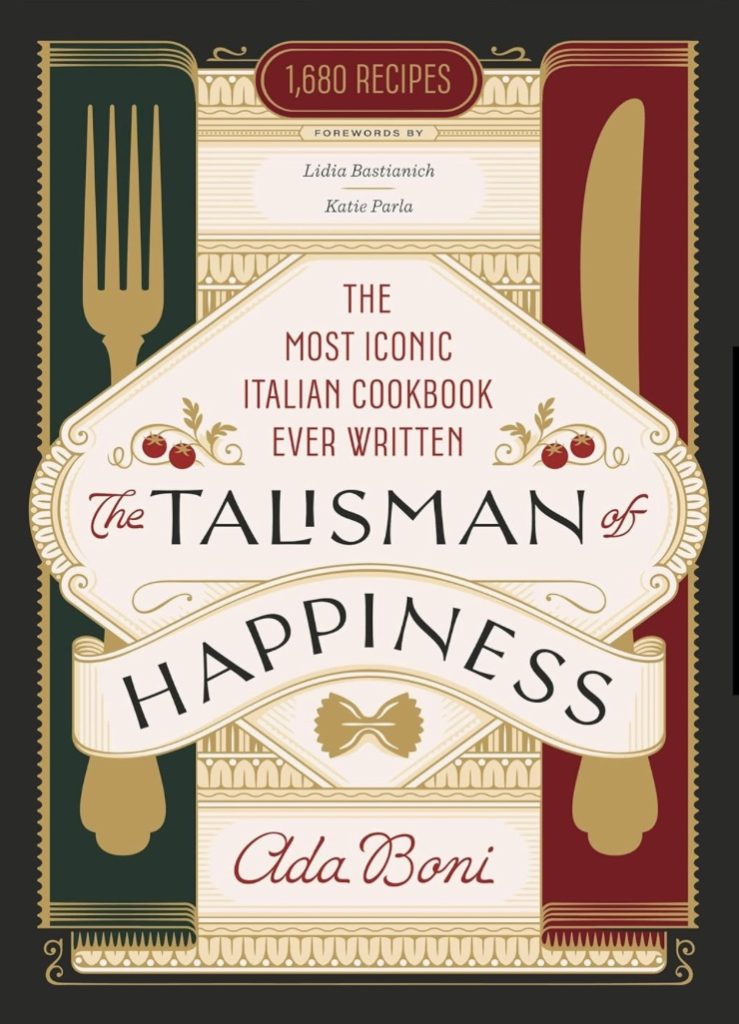
Maccheroni with Four Cheeses recipe by Ada Boni
We hasten to inform you that this is not truly an economical preparation.
For one kilogram of mezzi ziti macaroni you will need: 150 grams of mozzarella, 150 grams of Dutch cheese, 150 grams of Gruyère, 150 grams of Parmesan. All four cheeses must be cut into small strips. Another 150 grams of Parmesan, however, should instead be grated. You should then melt, in half a liter of very hot water, 250 grams of butter and keep it warm in a bain-marie. Once all the seasoning has been prepared, proceed with assembling the macaroni. Put one kilogram of mezzi ziti, broken into short pieces of about 10 centimeters, to boil in abundant salted water. When fully cooked, or rather slightly overcooked, since the macaroni should be quite soft, drain them well, dress them with all the cheeses cut into strips, half of the grated Parmesan, and half of the melted butter, lifted from the water by means of a spoon. Then place these dressed macaroni in a wide earthenware baking dish (so that the heat disperses less), sprinkle over the other half of the Parmesan, and pour over the remaining butter. As you can see, the preparation is very simple; however, it is necessary: 1) to proceed quickly in dressing the pasta as soon as it is cooked, therefore while it is still very hot; 2) to avoid, when taking the butter from the surface of the water, mixing the water with the butter; 3) that the butter, although very hot, must not have boiled; 4) that the macaroni be drained and dressed at the moment of sending them to the table, so that the four cheeses do not have time to melt, and therefore appear at the table as well.
Processed Cheese and the American Transformation
The most dramatic shift in macaroni and cheese history occurred in the United States in the early twentieth century with the invention of processed cheese. When James L. Kraft patented his method in 1916, factory-produced food was widely perceived as safer and more reliable than handmade alternatives, especially at a time when adulterated foods were common. Processed cheese offered purity, consistency, and long shelf life, all of which made it attractive to consumers navigating an increasingly industrial food system.
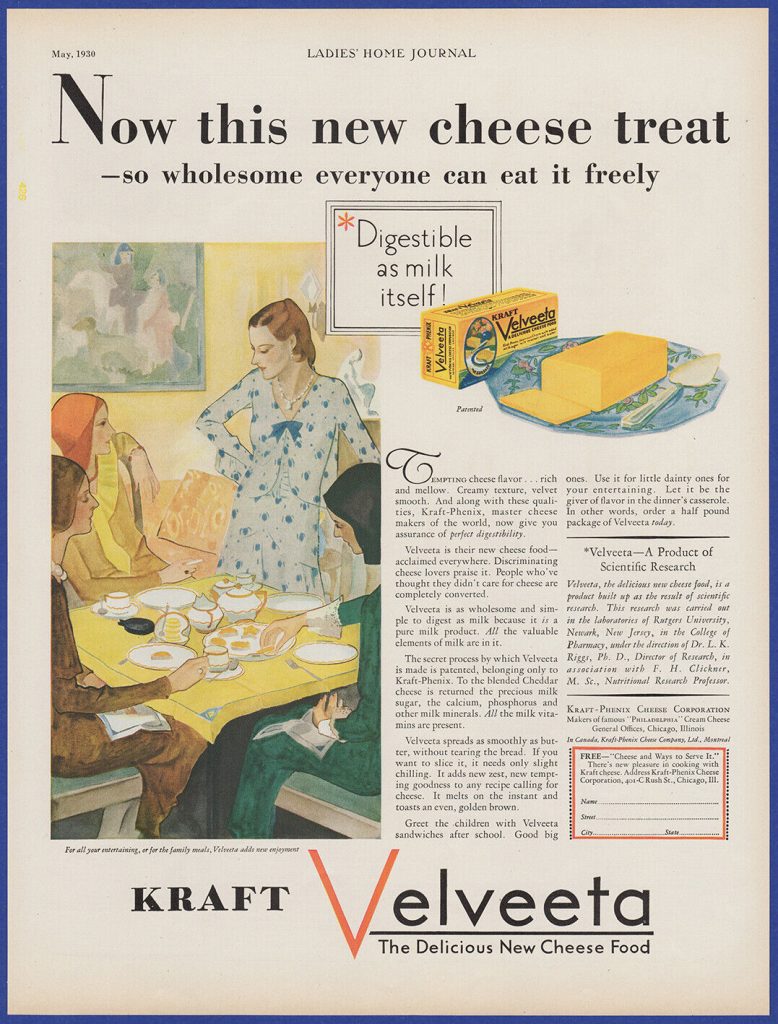
During the Great Depression, these qualities became even more important. Families needed affordable, filling foods that could stretch limited budgets, and processed cheese answered that need perfectly. By the time boxed macaroni and cheese appeared, the combination of pasta and shelf-stable cheese had already become a practical solution to economic hardship.
World War II and the Rise of the Box
World War II marked a turning point in macaroni and cheese history. Boxed macaroni and cheese appeared on ration cards, allowing families to feed four people with a single coupon that might otherwise provide only two servings of meat. That extraordinary efficiency ensured that the dish became permanently embedded in American domestic life.
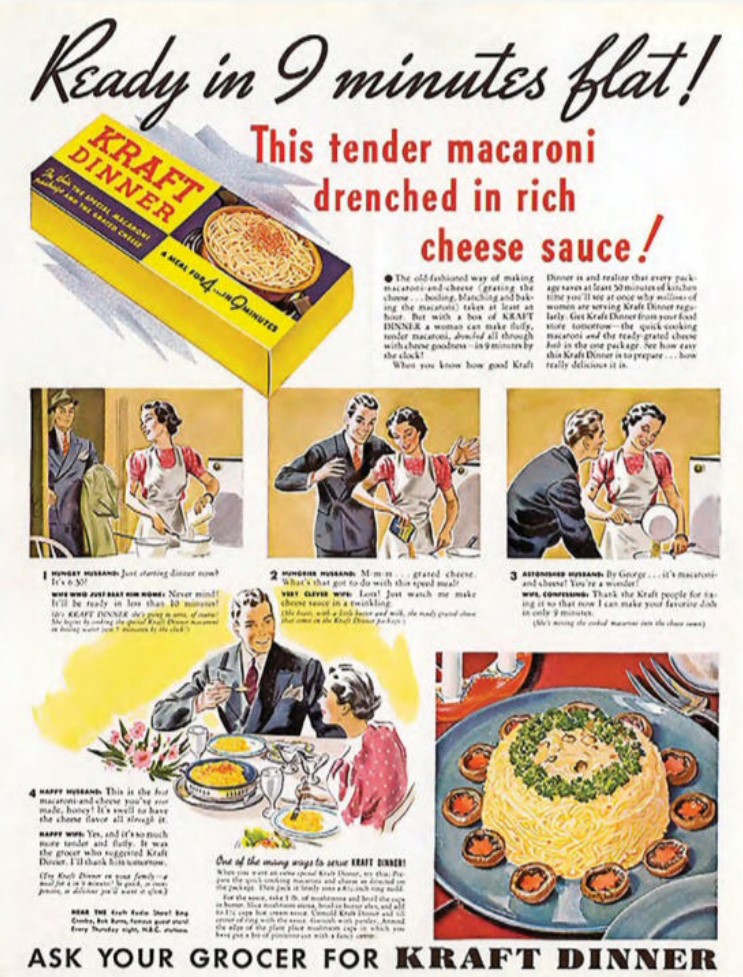
At the same time, powdered cheese reflected a broader cultural shift toward preparedness and shelf-stable foods shaped by wartime experience. After two global conflicts, households were encouraged to think in terms of long-term storage and rapid meal preparation. Boxed macaroni and cheese fit perfectly into this new domestic landscape.
Women, Work, and Convenience Cooking
Another essential chapter in macaroni and cheese history involves the changing role of women in the workforce. As more women entered paid employment during and after the war years, quick meals that required little fuel and minimal preparation became increasingly valuable. Advertisements emphasized speed, efficiency, and reliability, presenting boxed macaroni and cheese as a modern solution for modern families.
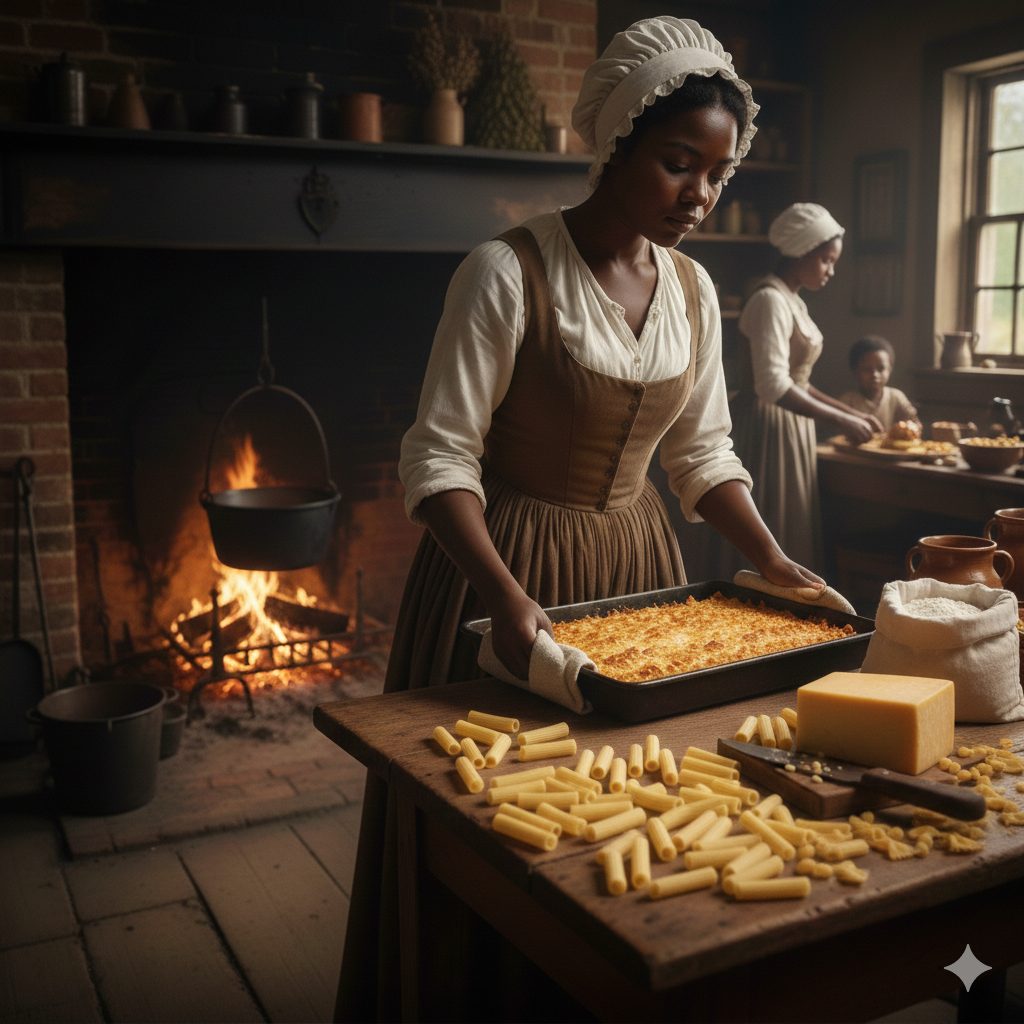
At the same time, African American women played a crucial role in shaping American macaroni and cheese traditions more broadly, contributing techniques, flavor preferences, and cultural meaning that helped establish the dish as a national icon. Recognizing this influence is essential for understanding macaroni and cheese history in its full social context.
From the Atlantic to the Caribbean: Macaroni Pie
Macaroni and cheese history does not stop at the borders of the United States. Through maritime trade routes and colonial expansion, macaroni traveled to the Caribbean, where it evolved into macaroni pie, now considered a national dish of Barbados. Despite its name, the dish contains no crust but instead consists of baked macaroni enriched with cheese and regional seasonings that reflect local tastes and ingredients.
Historical evidence even suggests that macaroni itself traveled aboard sixteenth-century voyages associated with Sir Francis Drake and Sir John Hawkins, demonstrating how early the ingredient began circulating across the Atlantic world. These movements remind us that macaroni and cheese history has always been global rather than national.
Why Macaroni and Cheese History Still Matters
Seen across its full timeline, macaroni and cheese history reveals a dish that has never belonged to a single country or culinary tradition. Instead, it has functioned as a flexible framework that different societies reshaped according to their own needs, whether those needs involved ritual meaning in ancient Rome, elite display in Renaissance kitchens, culinary exchange between France and Italy, or wartime efficiency in twentieth-century America.
Understanding macaroni and cheese history changes how we think about a dish that might otherwise seem ordinary. It reminds us that even the simplest foods carry within them the layered histories of trade, class, migration, technology, and memory that define human culture itself.
Note: All photos (except for the Ada Boni book cover) were provided by Karima Moyer-Nocchi
More Cheese Posts for you to check out!
Tano, the Italian Cheese Sommelier
Tomino Cheese
Buffalo Cheeses
Three things you don't know about cheese, but should!


as long as it takes, i take the time to read what my friend Wendy wants to tell me/us, she is always very interesting which encourages me to join in with her and learn more about her interests, and all others who read her blog.......she also reminds me of my own life experiences while living/working in Italy........which i truly miss.
Thank you! I'm glad you're enjoying my content and it encourages me to write more for all my readers!