
Why Italy Loves Bitter Flavors
If there is one flavor that quietly defines the Italian table from north to south, it's bitterness. Not harshness, and not austerity, but a layered, balancing bitterness that sharpens appetite, supports digestion, and brings depth to everything from aperitivo to dessert. Understanding bitter in Italian cuisine means understanding something essential about how Italians taste the world.
During a recent conversation with Lolly Martyn, we explored how bitterness runs through Italian food culture in surprising and beautiful ways - from wild greens gathered in fields to amari served after dinner, from espresso to radicchio risotto. For many visitors, bitterness is the most unfamiliar Italian flavor. For Italians, it's indispensable.
Bitter in Italian Cuisine Begins with Tradition
Bitterness in Italy is not a modern culinary trend - it's ancient. For centuries, monks gathered herbs, roots, bark, and flowers to prepare medicinal infusions that eventually evolved into the digestivi still served today. These early preparations were not meant to be fashionable. but instead to help people feel better after eating.
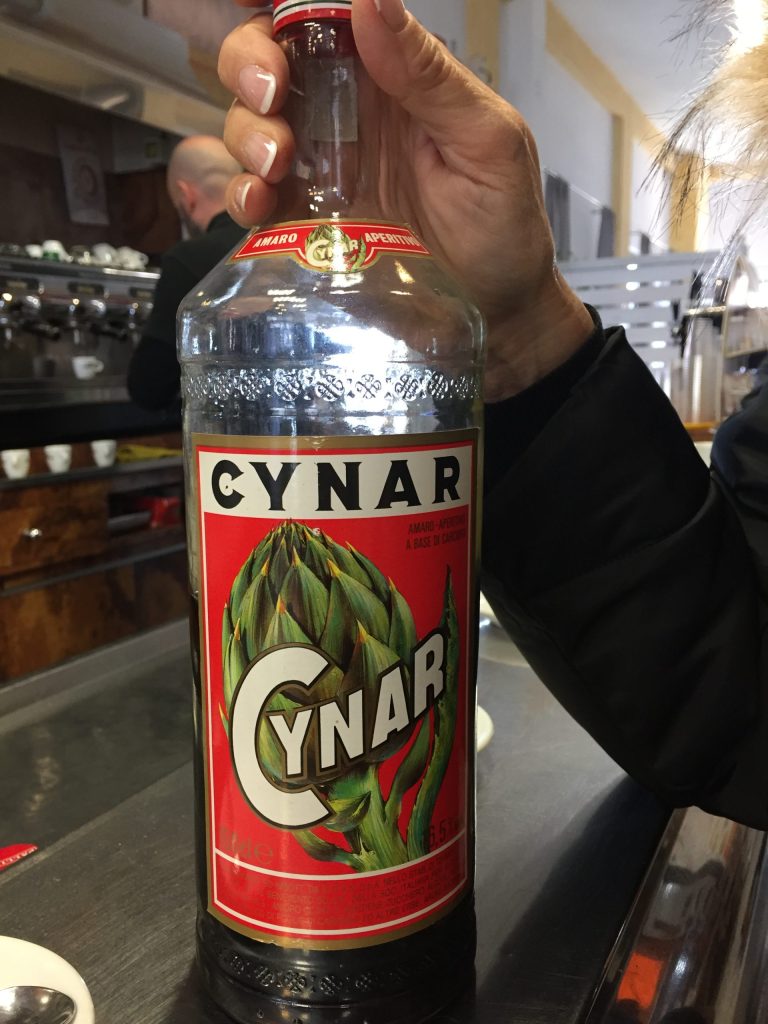
That legacy lives on in every glass of amaro poured at the end of a meal. Whether it's a commercial bottle like Cynar or a homemade herbal infusion passed between neighbors, the role is the same: support digestion while marking the transition from meal to conversation.
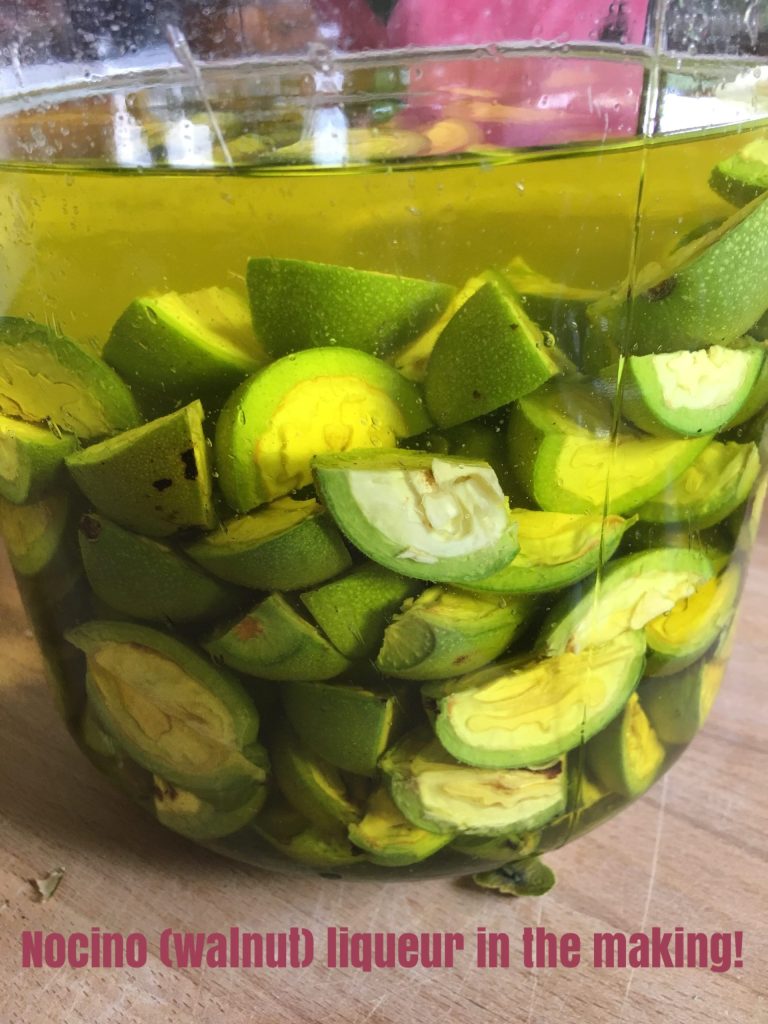
Even today, many Italian families continue to make their own bitter liqueurs at home (I do!). Bay leaves, arugula, citrus peels, walnuts, and wild herbs steep in high-proof alcohol for weeks before being sweetened into beautifully aromatic digestivi. Stored in the freezer and served ice cold, these preparations embody the spirit of bitter Italian cuisine at its most personal and authentic.
Why Italians Value Bitter Flavors
Bitterness is not just tolerated in Italy, it's cultivated. In many cultures, bitterness signals danger. Evolution trained humans to avoid bitter flavors because some toxic plants taste that way. But Italians learned to distinguish between harmful bitterness and beneficial bitterness centuries ago, and they embraced it.
In Italian cuisine, bitterness does several important things:
- stimulates appetite before a meal
- supports digestion afterward
- balances sweetness and richness
- enhances savory depth
- creates contrast within simple dishes
This explains why bitter ingredients appear at many stages of an Italian meal, from aperitivo drinks to leafy vegetables to espresso.
Bitter Liqueurs and the Italian Digestive Ritual
One of the most recognizable expressions of bitterness appears in the glass rather than on the plate.
After dinner in Italy, it's common to order an amaro alongside coffee. The bitterness refreshes the palate and helps settle the stomach after a long meal. Restaurants often prepare their own house versions, each guarded with pride.
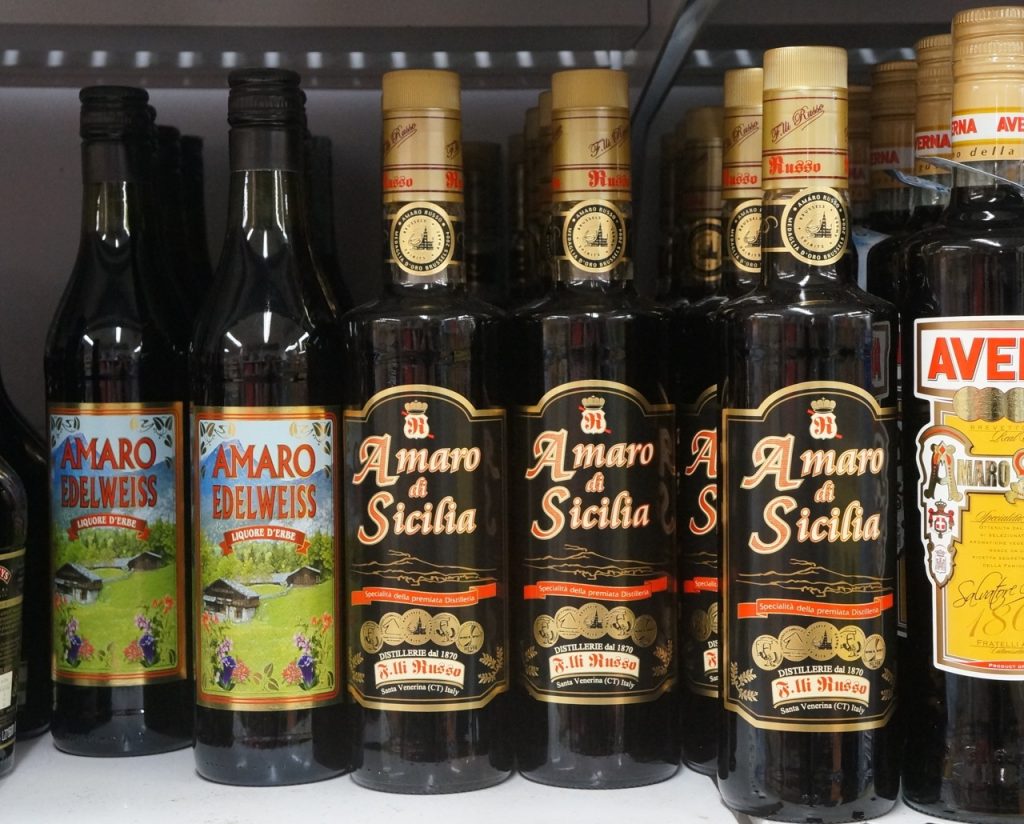
A striking example is Amaro Santoni, made near Florence with rhubarb root, iris flower, olive leaf, and other botanicals. Like many amari, its recipe blends herbal medicine with regional identity.
Bitterness also defines aperitivo culture. Drinks made with Campari or other herbal liqueurs prepare the palate for food and set the tone for relaxed early-evening gatherings that Italians call aperitivo.
Even Italian soft drinks participate in this tradition. One of the most beloved examples is Chinotto, whose dark caramel color and sharp citrus bitterness surprise many first-time tasters but delight generations of Italian children.
Bitter Greens at the Heart of Italian Cooking
Italian cooks have always relied on wild and cultivated greens to bring structure and complexity to meals. Many of these greens would be considered challenging in other culinary traditions but in Italy, they are beloved.
Tw of the most iconic are:
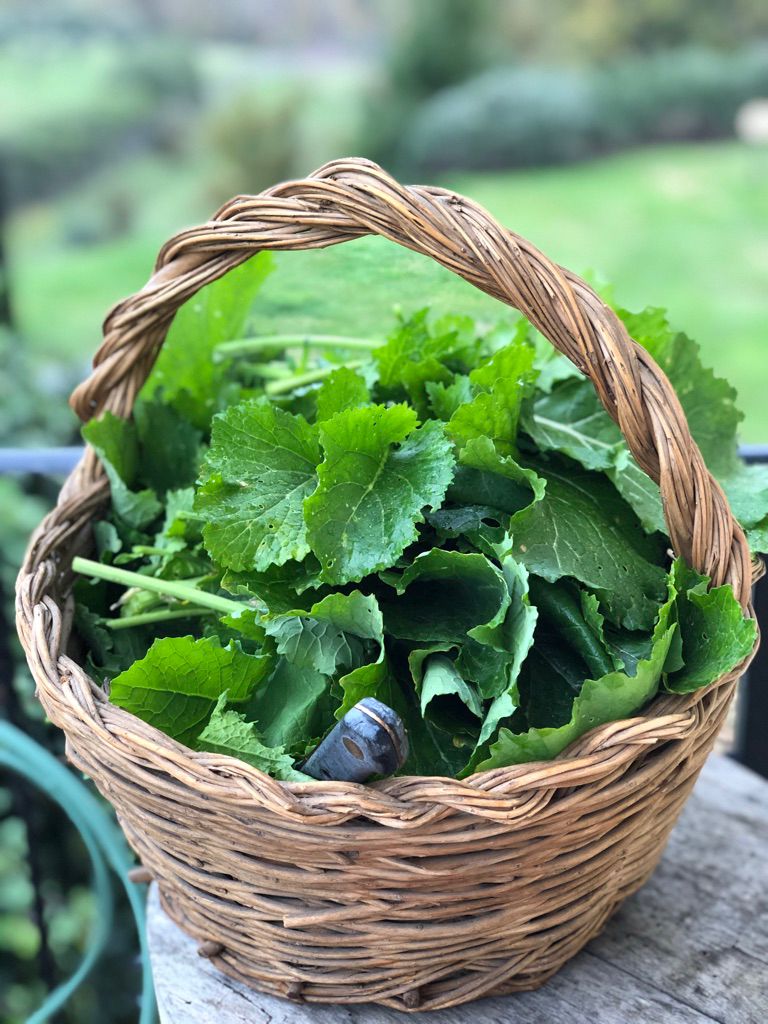
Cime di rapa and Broccoli rabe
These turnip greens form the backbone of the classic southern pasta dish orecchiette with anchovies, garlic, olive oil, and sometimes peperoncino. Their gentle bitterness pairs beautifully with the savory depth of anchovies.
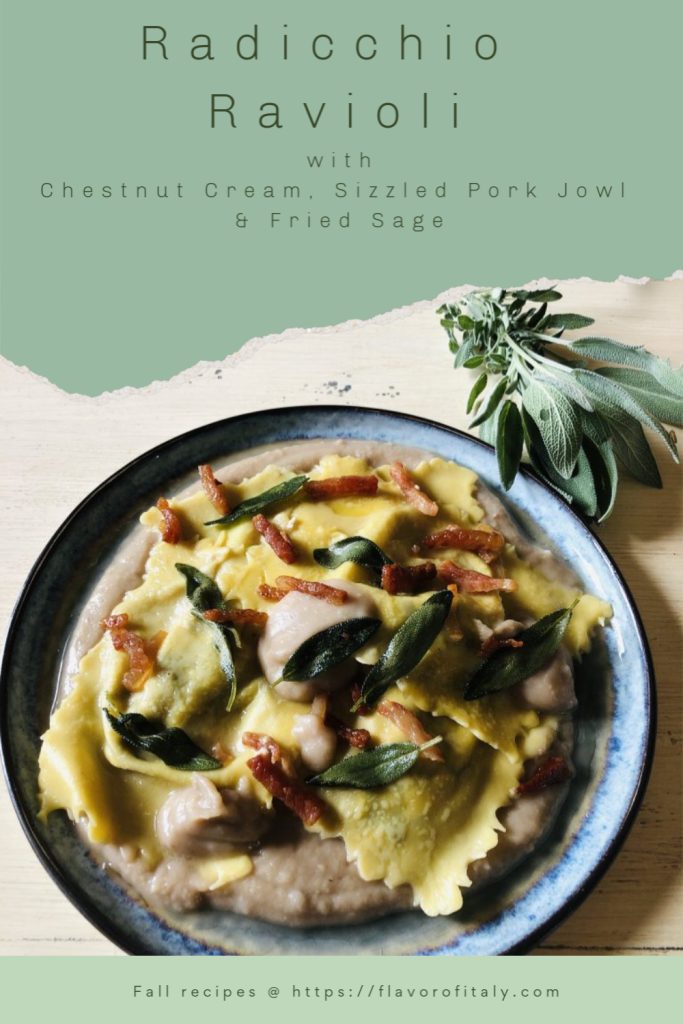
Radicchio
From Veneto to Tuscany, radicchio appears grilled, sautéed, or stirred into risotto. Its purple leaves soften when cooked but retain enough bitterness to balance rich ingredients like butter, cheese, or pork jowl.
The Surprising Role of Bitter Honey
Bitterness even appears in unexpected places like honey. In Sardinia, honey made from the strawberry tree, known as corbezzolo, carries a distinctly bitter edge. This unusual flavor inspired Letitia Clark’s cookbook title Bitter Honey and reflects the wild botanical landscape of the island itself.
Unlike conventional honey, which is purely sweet, corbezzolo honey creates tension between sweetness and bitterness. That tension is exactly what makes it so compelling in desserts, cheeses, and savory preparations.
Coffee: Italy’s Daily Bitter Ritual
Perhaps the most universal expression of bitter flavor is espresso.
talian coffee culture celebrates intensity. The short, concentrated shot served at the bar delivers a quick burst of bitterness that signals both energy and closure. It often follows lunch or dinner and completes the digestive rhythm already supported by amaro.

Childhood Memories of Bitter Greens
My own introduction to bitter cuisine began long before I lived in Italy.
As a child growing up near Pittsburgh, I visited the home of an Italian American family who gathered dandelion greens from their yard and cooked them for lunch. For someone unfamiliar with Italian traditions, the idea of harvesting "weeds" for cooking felt almost mysterious. But those meals revealed something fundamental: bitterness connects people to land, season, and memory.
Years later, living in Italy, I recognized that those same greens were part of a much larger culinary language shared across regions and generations.
How to Begin Exploring Bitter Italian Cuisine
If bitterness feels unfamiliar, the best approach is gradual exploration.
Try:
- pasta with broccoli rabe and olive oil
- radicchio risotto
- an aperitivo made with Campari
- a small glass of amaro after dinner
- Chinotto instead of a sweet soda
These simple steps open the door to understanding bitter Italian cuisine without overwhelming the palate.
Over time, what first feels intense often becomes essential.
Why Bitter Italian Cuisine Matters Today
In a world increasingly shaped by sweetness and convenience foods, bitterness offers something rare: balance.
Italian cooks have always understood that a meal should stimulate appetite, support digestion, and leave you feeling satisfied rather than heavy. Bitter flavors help achieve exactly that.
More importantly, they connect modern diners to centuries of culinary wisdom rooted in herbs, wild plants, and regional traditions.
Learning to appreciate bitter Italian cuisine is not just about taste, but also about learning to see flavor the Italian way - layered, thoughtful, and deeply connected to place.





Please leave your comment here. Your feedback is important!