
The Stories, Traditions, and Regional Treasures Behind Domenica Marchetti’s New Book
If you love baking, Italy, and the kind of cookbook that offers much more than a stack of recipes, Domenica Marchetti’s new book Italian Cookies sounds like a real delight. In this recent Flavor of Italy podcast conversation, Domenica joined me to talk about her ninth cookbook, a beautiful and deeply researched exploration of Italian cookies that goes far beyond the familiar idea of biscotti. What emerges from our conversation is a portrait of Italy told through butter cookies, almond cookies, olive oil doughs, rustic biscuits for dunking, and small-town specialties that carry generations of memory and pride.
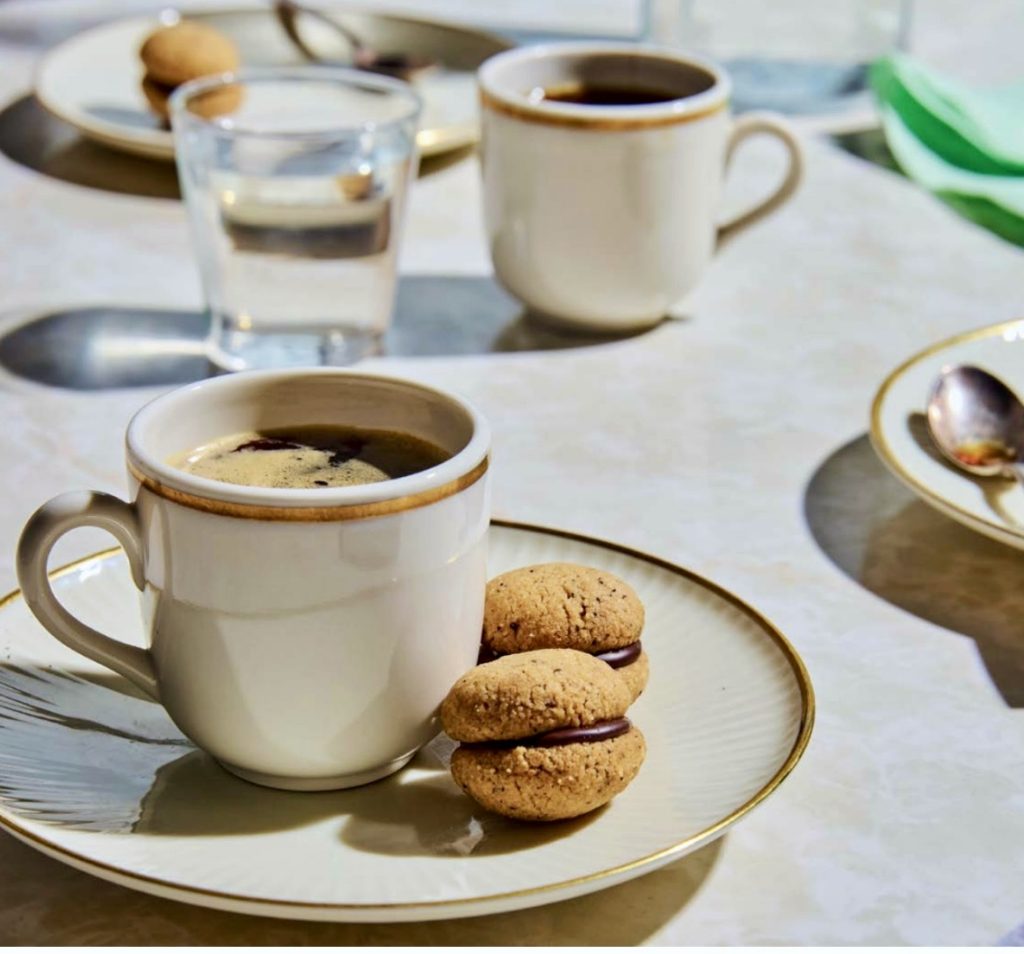
One of the things that makes Italian Cookies so compelling is that it's not simply a baking book. It's a travel book, a cultural history, and a collection of living traditions. Domenica did not sit at home and simply gather recipes from secondary sources. She got into a car, drove across Italy, visited bakeries, talked to bakers, observed techniques, and listened carefully to the stories that surround these cookies. That journalistic approach is one of the things that gives the book so much richness. She trained as a journalist, not as a pastry chef, and you can hear in the way she speaks that she used those reporting instincts to understand Italian cookies not only as food, but as part of a place and a way of life.
A Cookie Book Rooted in Family Memory
Although Domenica says she never really thought of herself as someone with an especially strong sweet tooth, cookies have clearly been part of her life from the beginning. She grew up with Italian cookies in an Italian American household shaped by her mother’s Abruzzese roots. Her mother made pizzelle, or ferratelle as they are known in Abruzzo, as well as fried nut-filled cookies and hazelnut crescents. Those were not occasional treats with no context. They were part of family ritual, especially at Christmas, when baking became a marathon event shared with her mother and sister.
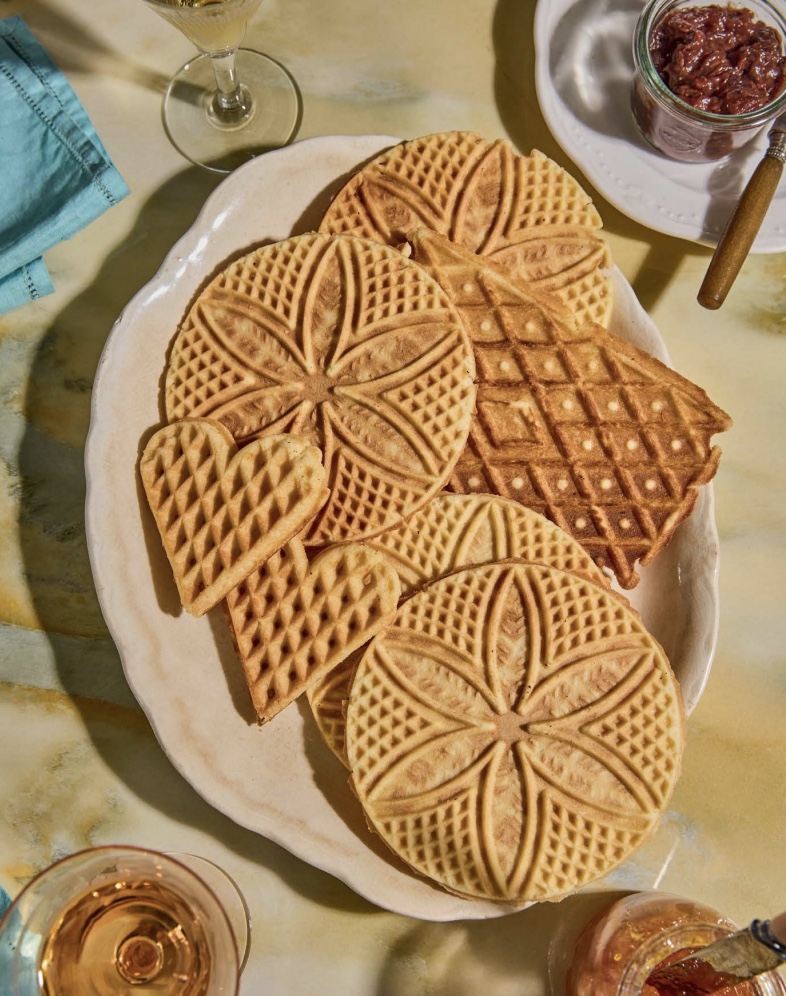
The way Domenica described those Christmas baking sessions was especially moving. She and her sister would sit at the kitchen table shelling nuts while their mother prepared for holiday baking. Later, as they grew older, the sisters became more involved in the baking itself. Every year they waited for the December cookie issue of Gourmet magazine, selected recipes, and spent long nights baking while old Ginger Rogers and Fred Astaire movies played on television. Because this was before streaming, before recordings on demand, they dashed between the kitchen and the family room during commercial breaks, shaping cookies, checking the oven, and then running back to catch the next scene. They often baked until two or three in the morning. It's easy to understand why Italian cookies are not just sweets to her. They are tied to memory, affection, and the atmosphere of home.
That connection comes through clearly in the book’s dedication to her sister, and it also explains why Italian Cookies feels so personal even when it travels across the entire Italian peninsula. This is not a detached survey but a deeply felt exploration of Italian cookies as carriers of family history and regional identity.
From Ciao Biscotti to a Bigger World of Italian Cookies
Domenica had written about cookies once before in her earlier small book Ciao Biscotti, which focused on twice-baked cookies inspired by cantucci and other biscotti-style treats. That earlier project gave her room to riff on a classic with variations such as chocolate biscotti, lemon biscotti, ginger-spiced biscotti, and even a coconut biscotto dipped in chocolate. But she made it very clear in our conversation that Italian Cookies is a completely different undertaking.
This new book is much broader, more immersive, and much more rooted in place. Instead of concentrating on one cookie family, it opens up the enormous diversity of Italian cookies across regions. It also places strong emphasis on stories, people, and towns. That difference matters. Italian cookies are often treated outside Italy as a generic category, or reduced to a few familiar examples. Domenica’s work reminds us that Italian cookies are every bit as regional as pasta shapes, breads, cheeses, and wines.
The Cookie That Started the Journey
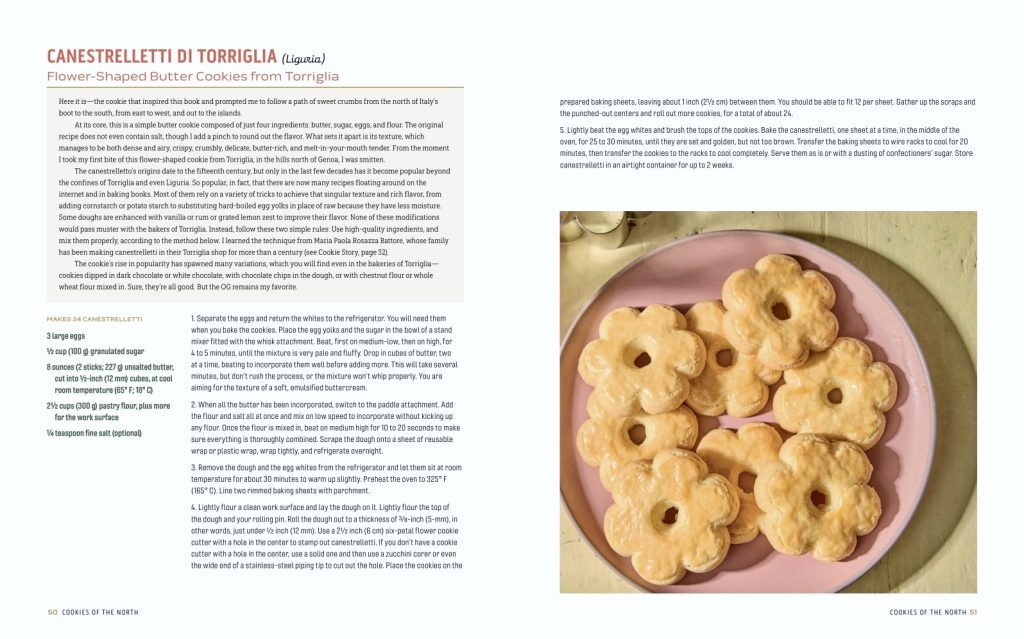
The turning point came in Liguria, in and around Genoa, where Domenica leads culinary tours. There she tasted a cookie called Canestrelletto di Torriglia, a flower-shaped butter cookie associated with the town of Torriglia in the Ligurian hinterland. It seemed simple on the surface, but when she bit into it she was struck by its remarkable flavor and texture. It was not perfumed with vanilla, lemon, or nuts. Instead, it expressed the pure taste of butter, egg yolks, sugar, and flour in a way that was delicate, crumbly, and melt-in-the-mouth.
That experience led her to do what good food writers do when curiosity takes hold. She looked at the back of the package, saw that the cookies came from Torriglia, and drove there. Once in town, she discovered not just a delicious cookie, but an entire local story. The Canestrelletto di Torriglia dates back to the fifteenth century. The town later chose to revive and promote this cookie as a way of strengthening local identity and supporting the economy. Today, a small group of bakeries produces it, and the town even has a festival dedicated to the cookie.
That is one of the most fascinating ideas in the book and in our podcast conversation: Italian cookies are not just recipes. They can help sustain a town. In places across Italy, especially inland hill towns and mountain communities that have struggled with depopulation and limited economic opportunity, a local specialty can serve as a point of pride, a reason for visitors to come, and a livelihood for families who remain.
More Than a Butter Cookie
Naturally, I wanted Domenica to explain what makes this particular butter cookie so special. After all, butter cookies exist in many countries. What sets this one apart? Her answer was both simple and illuminating. First, there are the ingredients: high-quality butter, soft flour, egg yolks, and sugar. In northern Italy the butter may be alpine butter, or in some cases bakers may even use French butter. The recipe can be flavored, but in its purest form it needs almost nothing beyond those core ingredients.
More importantly, though, the magic lies in technique. In many American baking traditions, butter and sugar are creamed first, then eggs are added, and finally the dry ingredients. But in Torriglia, Paola Rosa, one of the bakers Domenica profiled, starts with egg yolks and sugar, beating them until the mixture becomes pale and fluffy. Only then is the butter added gradually, almost as if one were making a buttercream, before the dry ingredients go in. That sequence produces the silky dough and the distinctively tender, crumbly texture that define the cookie. Even the leftover egg white is used, brushed over the tops to give them shine and a beautiful finish in the oven.
This was one of the most interesting themes in the whole podcast. With Italian cookies, small details matter enormously. The ingredients may be few, but the results depend on how they are mixed, how long they are beaten, how they are shaped, and how they are baked. That's one reason why cookies that seem similar on paper can taste completely different from one town to the next.
Italian Cookies and the Importance of Place
Domenica organized the book regionally - north, central, south, and islands - and that structure makes perfect sense because ingredients and traditions shift as you move through Italy. Just as Italian savory cooking changes from region to region, so do Italian cookies. In the north, hazelnuts and butter are prominent. In central Italy, walnuts begin to appear more often. In the south and on the islands, almonds dominate, and olive oil becomes far more common in doughs. In Sicily and surrounding areas, the Arab influence is especially evident in the long history of almonds and sugar, which together form the foundation of many confectionery traditions.
This regional organization also reinforces a larger truth: Italian cookies belong to landscapes. They are born from what grows in a place, what is historically available, and how people have learned over centuries to transform local ingredients into festive or everyday treats. Domenica talked about how almonds were brought to Sicily long ago and how they became central to Sicilian sweets, from marzipan fruits to almond-paste confections. She also pointed out that hazelnuts from Piemonte are incomparable - buttery, rich, sweet, and crisp - while Sicilian almonds have a deeply expressive almond flavor that immediately makes you understand where the taste of almond extract originates.
This attention to the raw ingredients matters because, in Italian cookies, there is often nowhere to hide. A dough made of just three or four ingredients will reveal immediately whether the nuts are stale, whether the butter is mediocre, or whether the flour is wrong.
The Three Great Dough Families
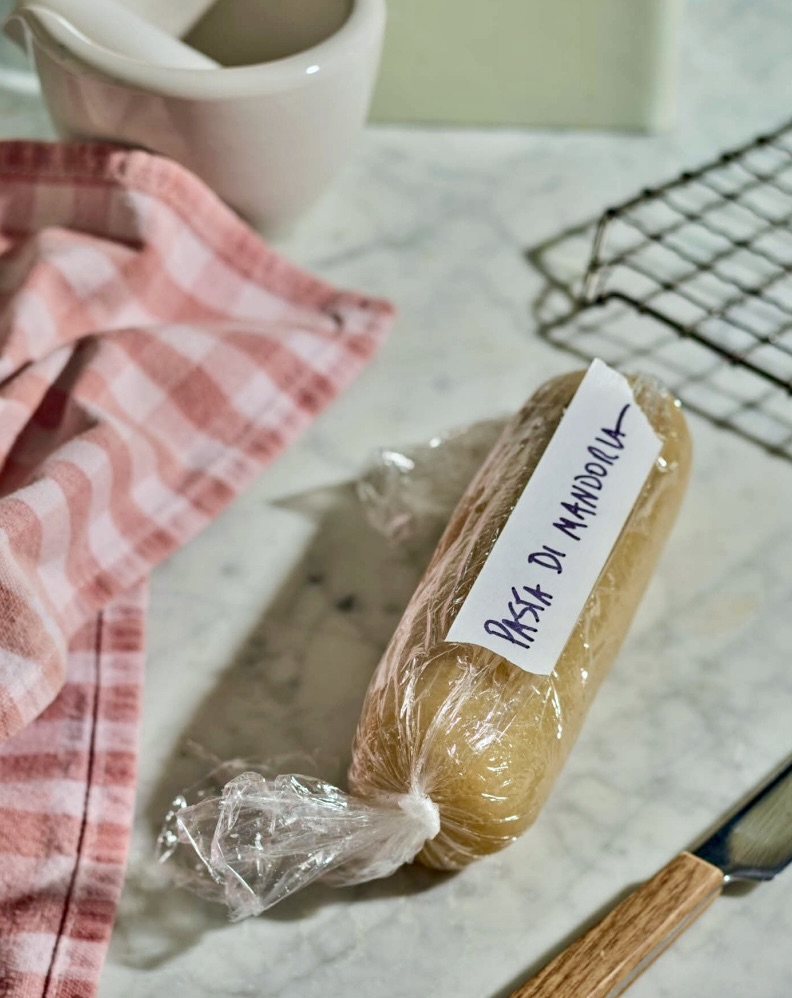
One of the especially useful parts of our conversation was Domenica’s explanation of what she sees as the main foundational doughs behind many Italian cookies. The first is pasta frolla, the rich pastry dough used for cookies, tart shells, and many other baked goods. The second is almond-based dough, often consisting of little more than ground almonds, sugar, and egg whites. The third is olive oil dough, which many English-speaking home bakers may know less well.
Have a question or want to leave your own tips and recommendations? Click here to leave a comment:
Leave a CommentWhat is so striking is how much variation can emerge from such simple building blocks. Almond cookies are a perfect example. They may start with the same core trio of almonds, sugar, and egg whites, yet depending on the ratios, the handling, the baking temperature, and whether the dough is piped or rolled, the result can be tender, chewy, crisp, rustic, refined, plain, or highly aromatic. Domenica described that as a revelation, and it truly is. Italian cookies show again and again that baking is not just about ingredient lists. It's about proportion, technique, and regional habit.
Olive Oil, Lard, and the Texture of Tradition
I was especially interested in Domenica’s comments on olive oil dough, because in parts of southern Italy olive oil cookies can seem almost impossibly rich and delicate despite containing no butter. She explained that texture depends not just on the oil itself, but on the flour, the amount and type of leavening, and the overall structure of the dough. Some olive oil cookies are perfect for dunking in coffee or wine. Others are more tender and crumbly. Small adjustments make a real difference.
She also spoke warmly about lard, an ingredient that many modern bakers have neglected but that has a long history in traditional Italian baking. In one of her favorite cookies from Sardinia, lard creates an unusually rich, tender, crumbly texture. High-quality leaf lard, the pure fat from around the kidneys, can lend not only structure but also a subtle savory depth. That may surprise bakers who think of cookies only in terms of butter or oil, but it makes perfect sense in historical context. Italian cookies developed in relation to what people had, and lard has long been a valuable cooking fat in many regions.
For English-speaking readers, Domenica also addressed the practical question of sourcing ingredients. She believes that ingredients like leaf lard are more available in the United States today than they once were, thanks to the rise of smaller butcher shops and specialty food sourcing online. She includes a list of ingredient sources in the back of the book, which is a thoughtful touch for home bakers who want to recreate these Italian cookies as faithfully as possible.
Fresh Nuts Make All the Difference
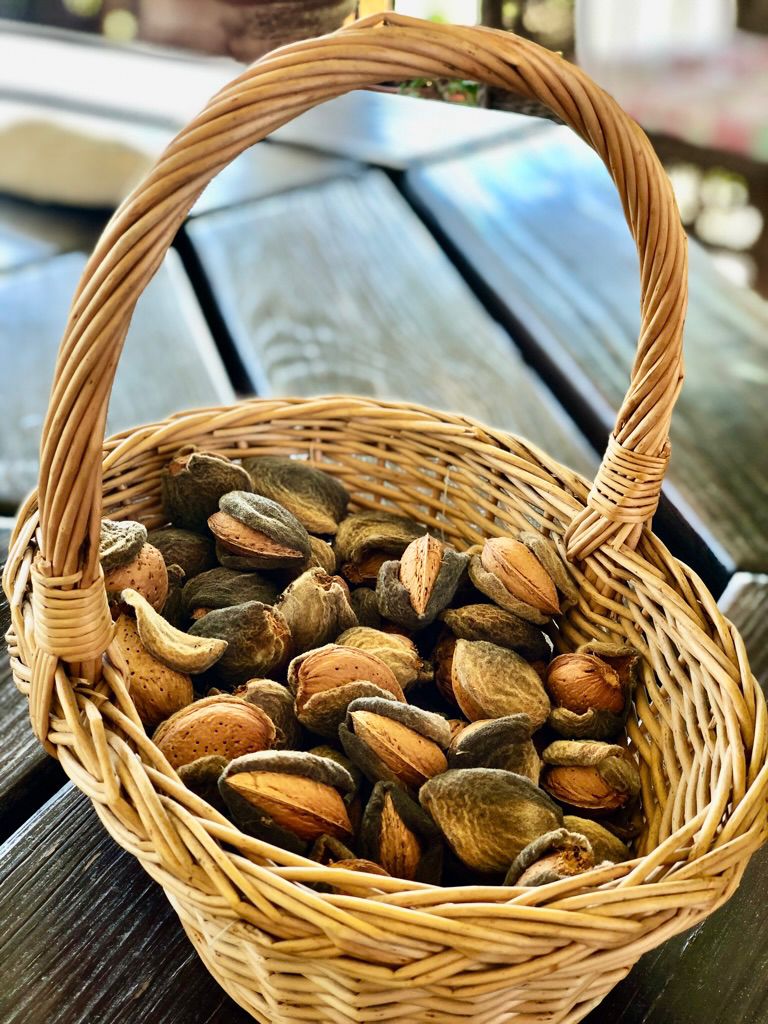
One of the loveliest details from our discussion was Domenica’s explanation of why her mother used to make her and her sister crack nuts by hand at the kitchen table. It was not just a way to keep children busy. It was because she knew that the freshest nuts are the ones still in their shells. That old-fashioned habit carried real culinary wisdom. Domenica emphasized that for Italian cookies, freshness matters enormously, especially when nuts are central to the dough.
She also made an important distinction between very good American nuts and the more distinctive flavor profiles of Italian ones. California almonds and Oregon hazelnuts can certainly produce excellent Italian cookies, but the character of Sicilian almonds or Piedmont hazelnuts is unique. That doesn't mean home bakers must always import ingredients. It means they should care about quality, freshness, and sourcing. Even simple recipes reward that attention.
Respecting the Bakers Behind the Cookies
Another aspect of the conversation that stayed with me was Domenica’s respect for the bakers she met. She was careful not to treat them as a source of recipes to be extracted without thought. In many of these towns, a bakery is not a charming accessory to tourism, but instead it's the family business. It's the livelihood that allows people to remain in a place and pass something on to their children.
She told a wonderful story about a baker in Scanno, in Abruzzo, who has long refused to ship his cookies or sell them online. If you want his cookies, he says, you need to come to Scanno. That may sound stubborn at first, but it reveals a profound truth. Some Italian cookies are inseparable from the place where they are made. The point is not only the cookie itself but the town, the street, the smell from the bakery, the local life around it. Domenica admired that deeply and found a way to include versions inspired by such traditions without appropriating what belongs to those bakers.
That attitude gives the book integrity and celebrates Italian cookies not as a generic style to be endlessly copied, but as expressions of people and places that deserve recognition.
Beautiful Photography and the Pleasure of the Table
The visual side of Italian Cookies also came up in our conversation, and it's clearly a major part of the book’s appeal. The photographs were shot by Lauren Volo, with styling by Maeve Sheridan and Deborah Kim, and from what Domenica described, the team created an atmosphere that was luxurious and evocative. Trays, props, linens, and other objects help place the cookies in a world that feels collected, warm, and full of personality.
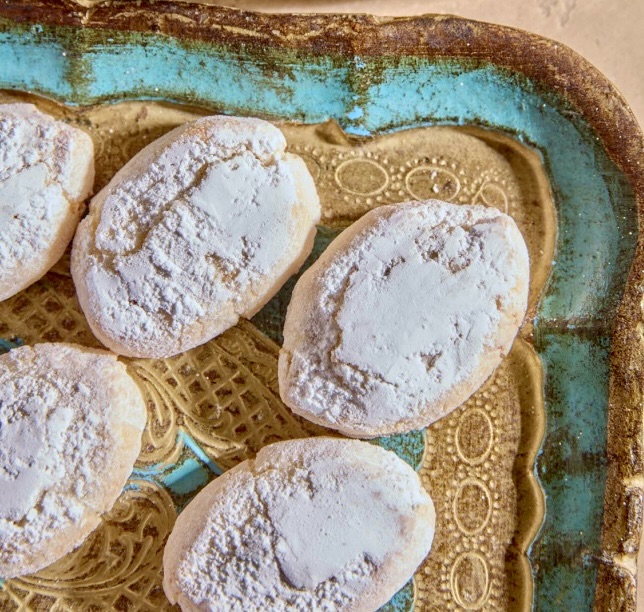
I was amused to notice that one of the trays in the photos was the exact same lightweight Florentine tray I have from my mother-in-law. Domenica laughed and explained that it was chosen by the stylists from a large prop collection that included many Italian items. There was even an old copy of Corriere della Sera that found its way into one of the photographs. Those details matter because they reinforce what the book is doing as a whole. Italian cookies are not presented in isolation on blank plates. They are part of a lived-in visual culture.
Fig-Filled Cookies, Settembrini, and Childhood Favorites
Another enjoyable part of our conversation centered on fig-filled cookies and the way traditional Italian cookies can connect to childhood memories in unexpected ways. I mentioned my own affection for fig-based treats - especially the fig newtons from my childhood - and the fig trees on my property, and Domenica spoke about Settembrini, cookies filled with fig preserves or variations such as fig-and-chocolate preserves flavored with Cognac. That combination sounded especially wonderful, and she includes recipes in the book’s “Basics and Embellishments” section for some of these fillings.
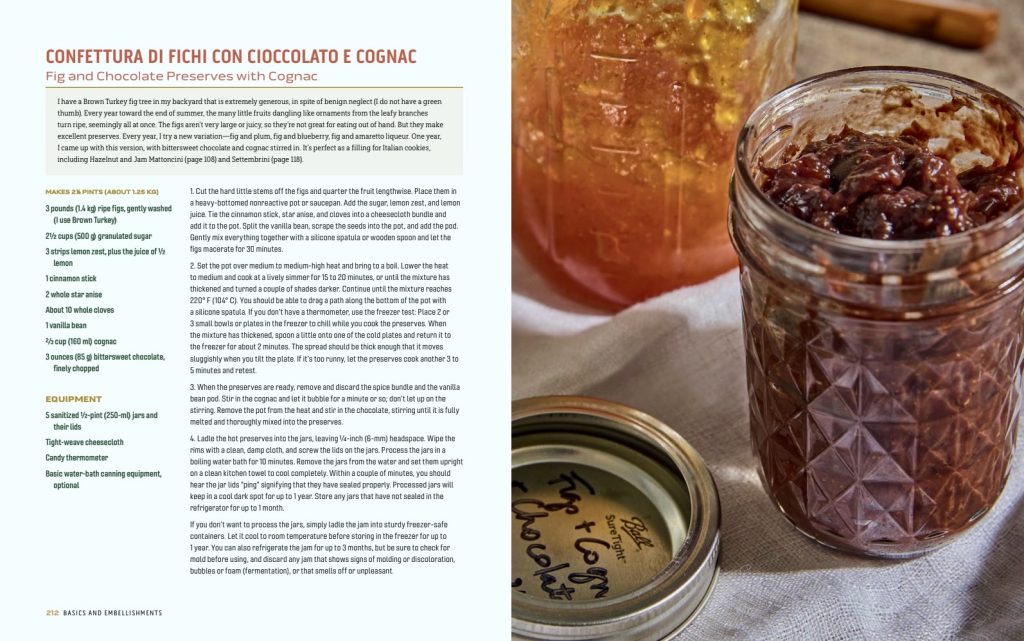
This part of the book seems especially useful because it allows bakers to build flavor from the ground up. Instead of relying only on a finished cookie recipe, they can also make fillings and embellishments that shape the final result. The idea of fig preserves with chocolate and Cognac is a good example of how Italian cookies can be traditional without being dull. The combinations may be rooted in history, but they still leave room for pleasure, creativity, and personal adaptation.
Brutti Ma Buoni and the Mystery of Egg Whites
We also talked about Brutti Ma Buoni, those irregular, nutty meringue-like cookies whose name means “ugly but good.” In my experience they are a very practical answer to leftover egg whites, such as the whites you might have after making Carbonara. Domenica’s version includes an element many home bakers may not know: after the egg whites are whipped with sugar and the nuts are folded in, the mixture is cooked on the stovetop before being shaped and baked.
That extra step is not just a curious quirk. It serves important purposes. It dries out the meringue, helps prevent gumminess, creates a crisper shell, deepens the color, and lightly caramelizes the sugar. It also helps the cookies hold their shape better. Domenica explained that it's a somewhat challenging technique and one that improves with practice, but it's precisely the kind of detail that reveals how traditional Italian cookies often depend on methods that are not immediately obvious from a bare ingredient list.
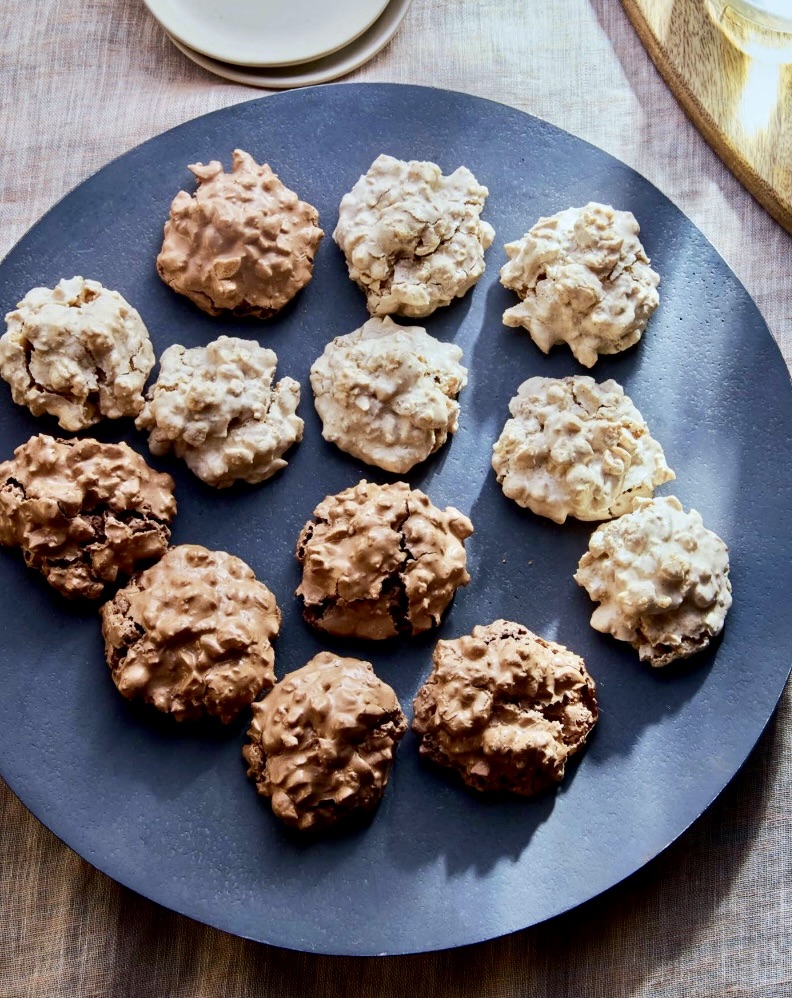
This was another good reminder that Italian cookies are often deceptively simple. Their complexity lies in the know-how passed from baker to baker and generation to generation.
The Cookie That Stole Her Heart
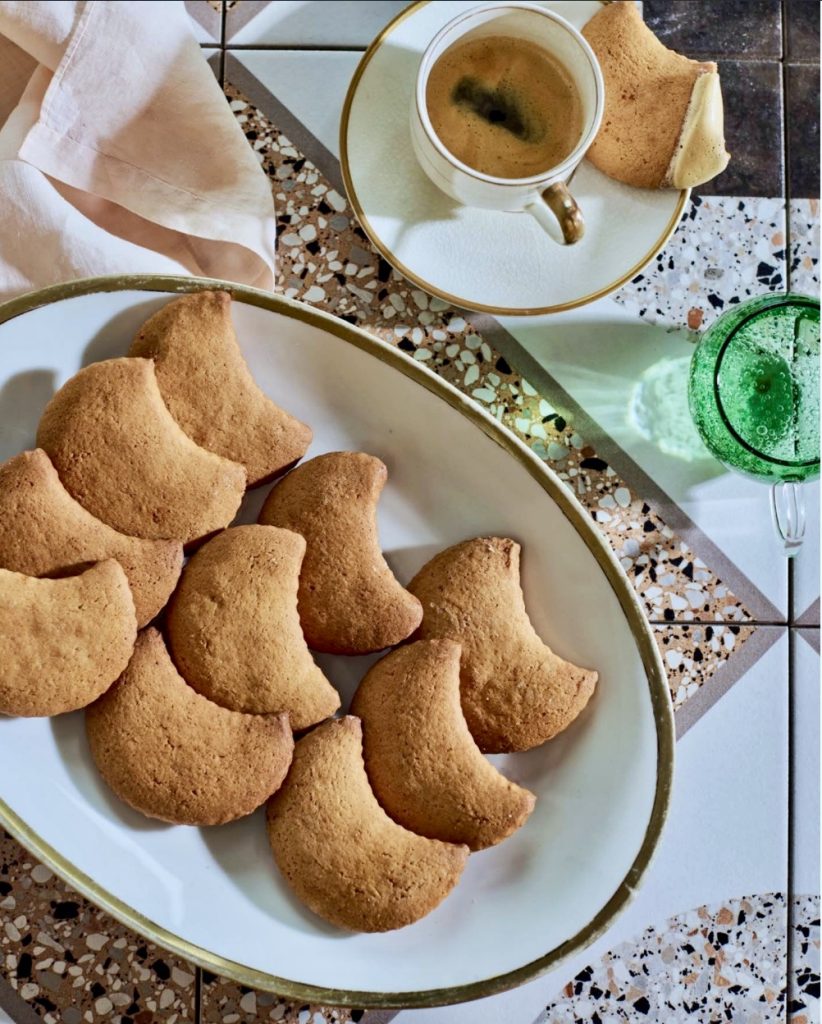
When I asked Domenica to name her favorite cookie in the book, she understandably hesitated. Choosing a favorite among so many regional treasures is no easy task. But she did share one that particularly captured her imagination: Biscotti di San Pellegrino, a cookie from the beautiful spa town of San Pellegrino Terme near Bergamo.
The story behind these cookies is as memorable as the cookies themselves. Domenica described driving into town after a morning of rain, with the river rushing beside the road and everything glistening in the returning sun. She then realized that this was indeed the San Pellegrino associated with the famous mineral water. Beyond the bottling plant, she discovered a town full of Art Deco beauty and nostalgic grandeur. Many of the old spas have closed, though some are reopening, and the grand riverside hotel is being restored. Against that elegant background, the town’s signature cookie turned out to be surprisingly plain: a sturdy, crunchy biscuit.
And yet, of course, there was a story. The bakery dates to 1934 and was founded by a man who had once been a traveling puppeteer. He handed out these cookies to children after his performances. Later, when he opened his bakery, the cookie became part of his legacy. Today his granddaughter runs the bakery, and his puppets still hang on the walls. It's hard to imagine a better example of what makes Italian cookies so interesting. Even the simplest biscuit can carry a whole human story inside it.
Why Italian Cookies Matter
What I loved most about this podcast conversation was the way it expanded the meaning of Italian cookies. Too often, cookies are treated as small, casual things - delicious, certainly, but secondary. Domenica’s book makes the case that Italian cookies deserve to be taken seriously as part of Italy’s culinary and cultural heritage. They reflect migration, ingredients, memory, craftsmanship, regional agriculture, festive traditions, and the economic realities of small towns.
Italian cookies also tell us something important about Italian cooking more broadly. They show how much can be done with a handful of ingredients when technique, quality, and tradition are respected. They remind us that local specialties do not need to be elaborate to be important. They also reveal the emotional force of baking - how a cookie can transport you to a childhood kitchen, a Christmas night, a village bakery, or a hillside town you might never otherwise have known.
That's what makes this book special, and it's what made this conversation with Domenica Marchetti such a pleasure. Italian Cookies is not just for people who want to bake. It's for people who want to understand how food lives inside culture, and for readers who enjoy stories as much as recipes.
More to read on Flavor of Italy
Domenica Marchetti and Abruzzo Food
Sulmona, a hidden gem in the heart of Abruzzo
My Cranberry Hazelnut Biscotti recipe!


Please leave your comment here. Your feedback is important!