
Liguria Italy is often reduced to a handful of famous images: pastel houses clinging to cliffs, glamorous yachts bobbing in Portofino, hikers threading their way between the villages of the Cinque Terre. But as this conversation on my Flavor of Italy podcast reveals, Liguria Italy is far richer, deeper, and more nuanced than its postcard reputation suggests.
In this episode, I spoke with Anna Merulla, co-founder of Beautiful Liguria, a locally based travel company created to tell the story of Liguria Italy from the inside out. What emerges is a portrait of a region that rewards curiosity, slower travel, and a willingness to step beyond the obvious.
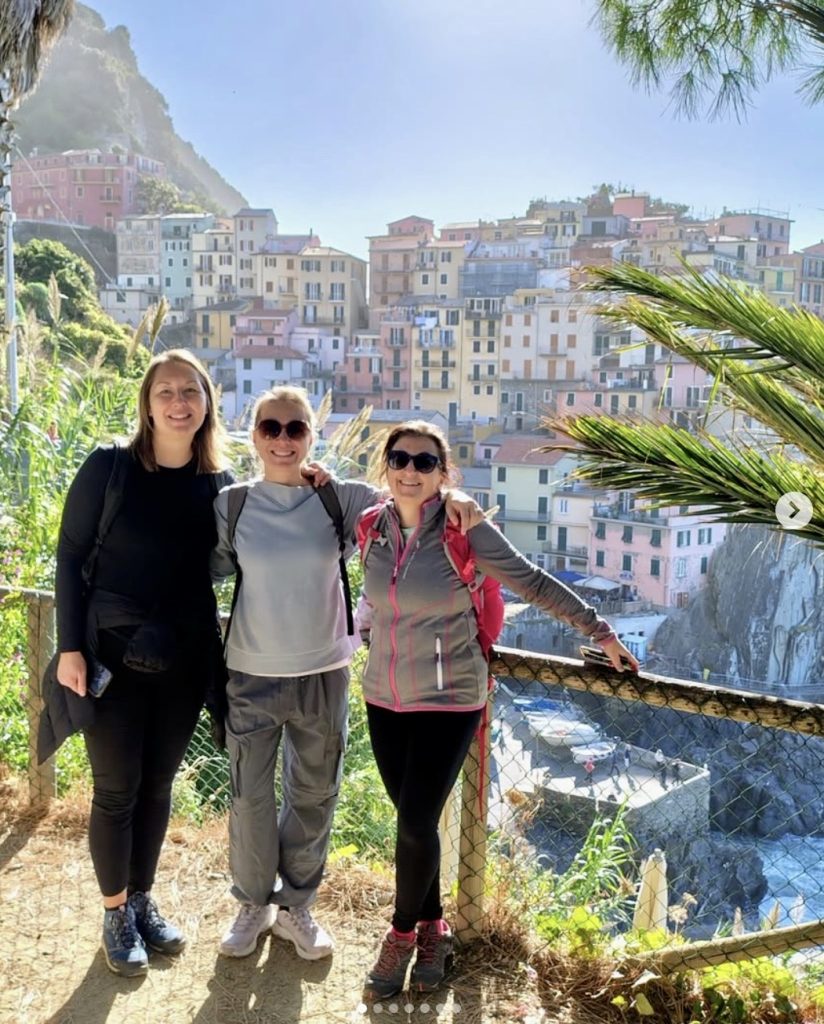
Understanding Liguria Italy: Geography, History, and Light
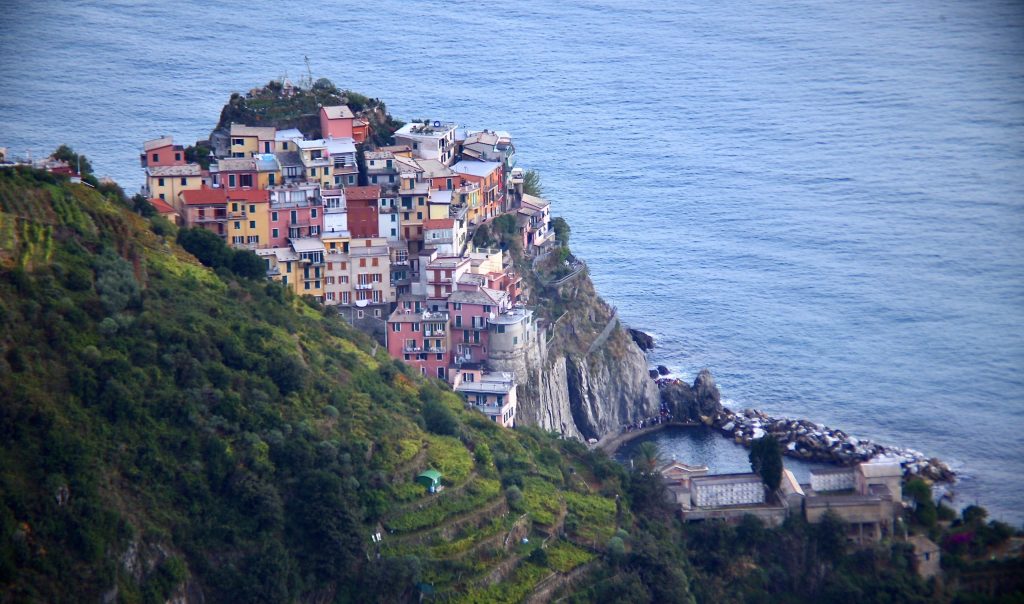
Liguria Italy is a slender crescent of land stretching along the northwestern coast of Italy. It hugs the Ligurian Sea, touches France at its western edge, and is bordered inland by Piedmont, Emilia-Romagna, and Tuscany. Despite being Italy’s third-smallest region, Liguria Italy is densely populated and extraordinarily diverse.
Its capital, Genoa, was once one of the most powerful maritime republics in the Mediterranean and the birthplace of Christopher Columbus. Today, Genoa’s labyrinthine caruggi, historic palazzi, and centuries-old food shops still speak to that layered past.
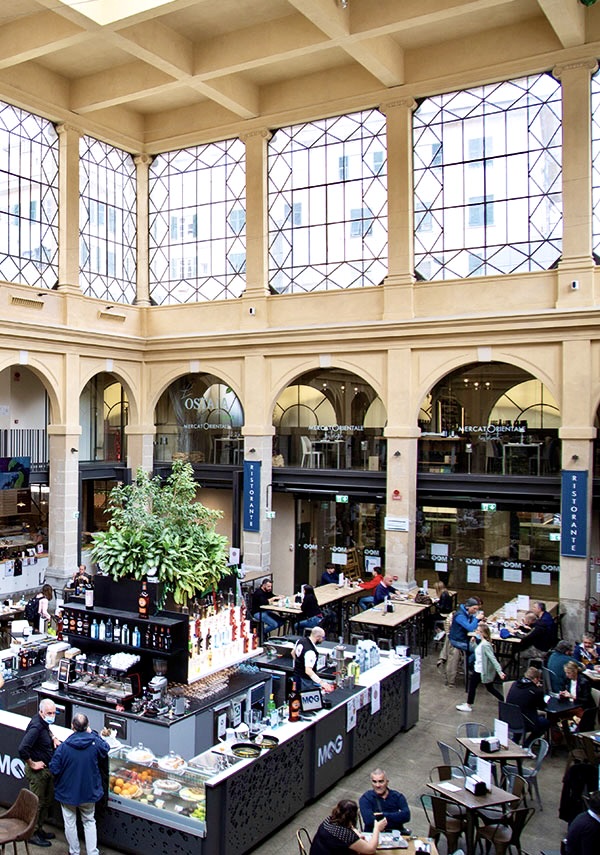
Artists have long been drawn to Liguria Italy for its unique light—clear, reflective, and constantly shifting. Painters traveling between Italy and France lingered here, captivated by the way sea, stone, and sky interact. That artistic magnetism remains palpable today.
Watch this video to learn more about Cinque Terre. For Italy cultural insights, travels tips, recipes and more, subscribe to my YouTube channel by clicking here
Why Beautiful Liguria Was Created
Beautiful Liguria was founded with a clear intention: to move beyond the tourist image of Liguria Italy and reveal the region as locals experience it. Anna Merulla explains that the project began as a blog, sharing personal stories and discoveries from across the region. Reader curiosity quickly grew, especially among travelers eager to explore Italy more deeply, beyond Rome, Florence, and Venice.
From that interest came carefully designed experiences rooted in place—small-group itineraries, local guides, artisan visits, and encounters that foreground people rather than crowds. The emphasis is always on Liguria Italy as a living region, not a backdrop.
Western Liguria Italy and the Story of Chinotto
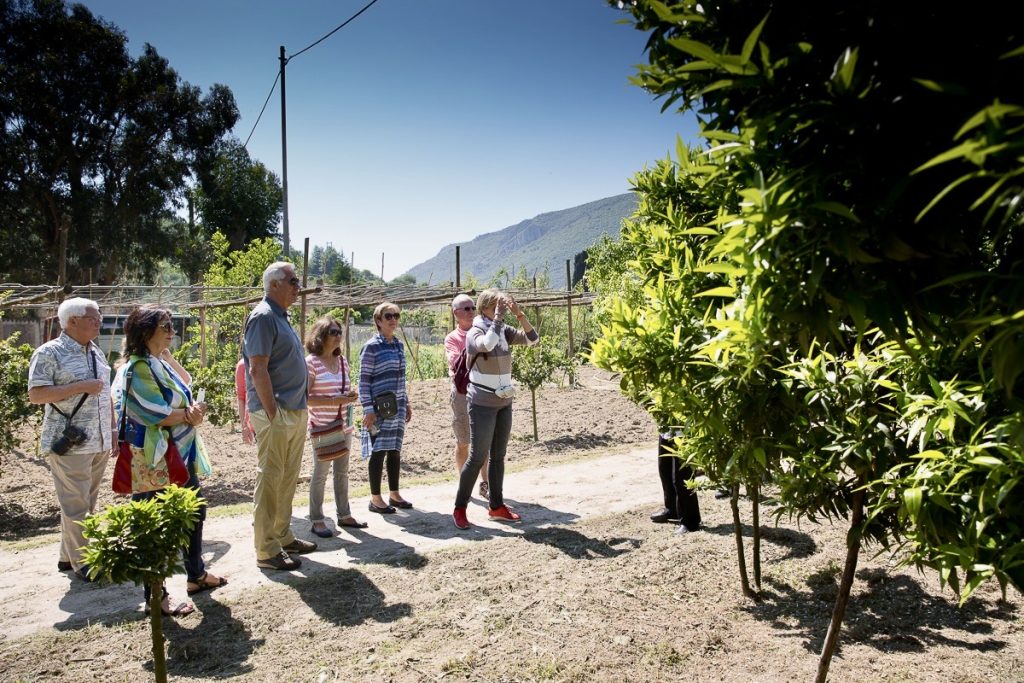
One of the most compelling examples of this approach is an experience in western Liguria Italy, centered on Finalborgo, a medieval walled town in the Savona area. Here, travelers are introduced to chinotto, a tiny, intensely bitter citrus fruit grown only in a very small part of Liguria Italy.
Have a question or want to leave your own tips and recommendations? Click here to leave a comment:
Leave a CommentChinotto is best known internationally as a bittersweet Italian soft drink, but in Liguria Italy it is something far more personal. Visitors meet a local producer, walk among chinotto trees, and watch how the fruit is transformed into syrups and preserves in a small family laboratory. Tasted with local olives and focaccia, chinotto becomes a lens through which to understand the region’s agricultural specificity and pride.
Villages, Wine, and Painters Near the French Border
On the western edge of Liguria Italy, near France, medieval villages sit just inland from the coast. Dolceacqua is dominated by the Doria Castle and crossed by a stone bridge famously painted by Claude Monet. Nearby Apricale, with its spiral layout and hilltop position, feels suspended in time.
These villages are also home to Rossese di Dolceacqua, one of the few red wines of Liguria Italy, produced in small quantities and rarely exported. Tastings here are intimate, often led by local sommeliers, and paired with simple regional appetizers that allow the wine to speak clearly of place.
Chiavari: Artisans, Markets, and Everyday Liguria Italy
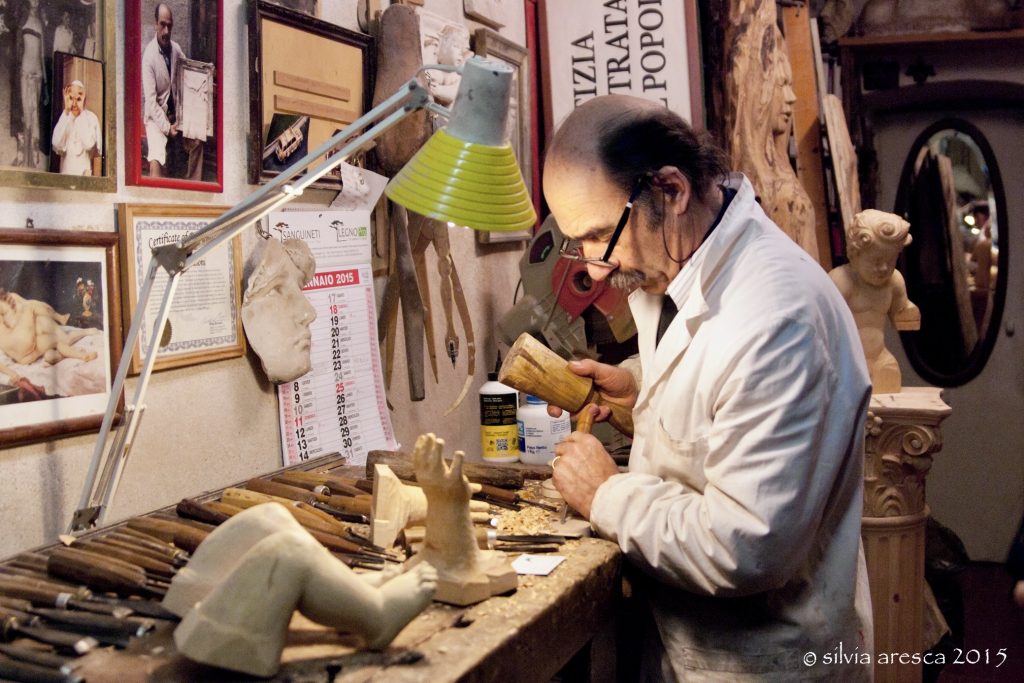
Not far from Portofino lies Chiavari, a town largely bypassed by mass tourism. Its arcaded streets shelter workshops that have operated for generations: woodcarvers, candle makers, jewelers, and food shops that anchor daily life.
Chiavari is also home to the famous Chiavarina chair, a Ligurian design that eventually made its way as far as the White House. Experiences here often include visits to the local market, followed by cooking in a private home with ingredients selected that very morning. It is Liguria Italy experienced at human scale.
Art, Food, and Small-Group Retreats
Beautiful Liguria has expanded into themed retreats, including an artist-focused journey developed with a New York–based artist. These retreats invite participants to explore Liguria Italy through an artistic lens, meeting local creatives and engaging with the landscape as inspiration.
Culinary retreats are another cornerstone. Rather than focusing solely on cooking classes, these journeys weave together market visits, home cooks, food writers, olive oil producers, winemakers, and local experts. The result is a holistic view of Liguria Italy’s food culture as something lived, seasonal, and deeply regional.
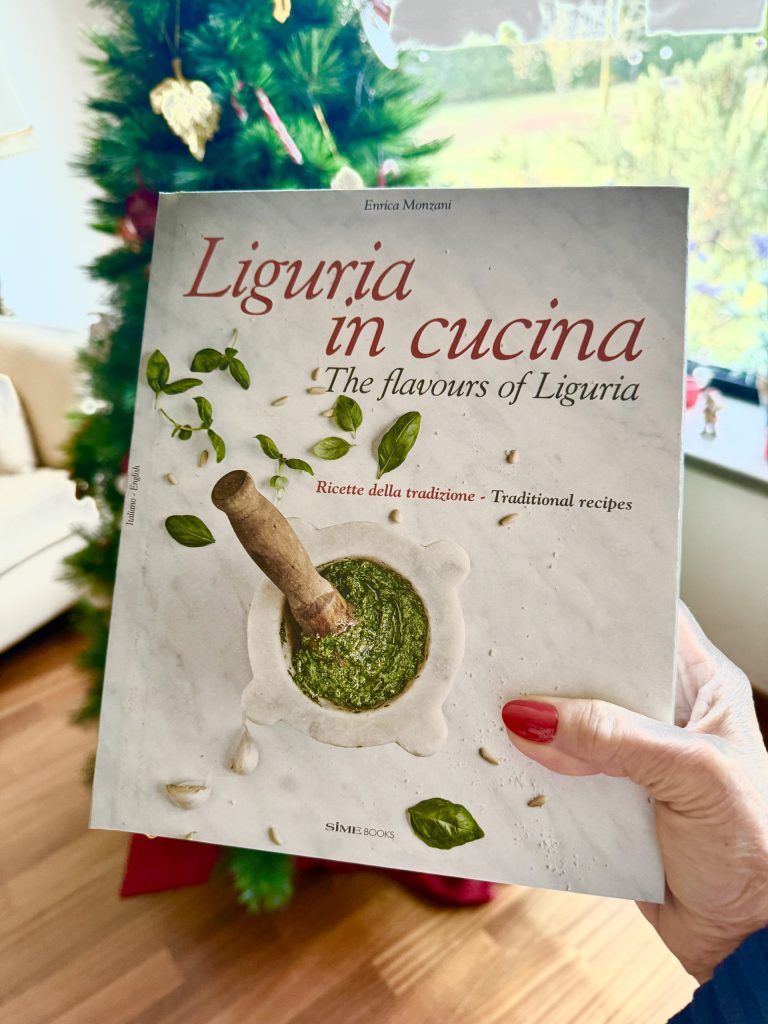
One such retreat was developed with Laurel Evans, author of Liguria: The Cookbook, a key voice in documenting regional Ligurian cooking. Another important culinary figure is Enrica Monzani, whose bilingual cookbook Liguria in Cucina preserves local traditions in both Italian and English.
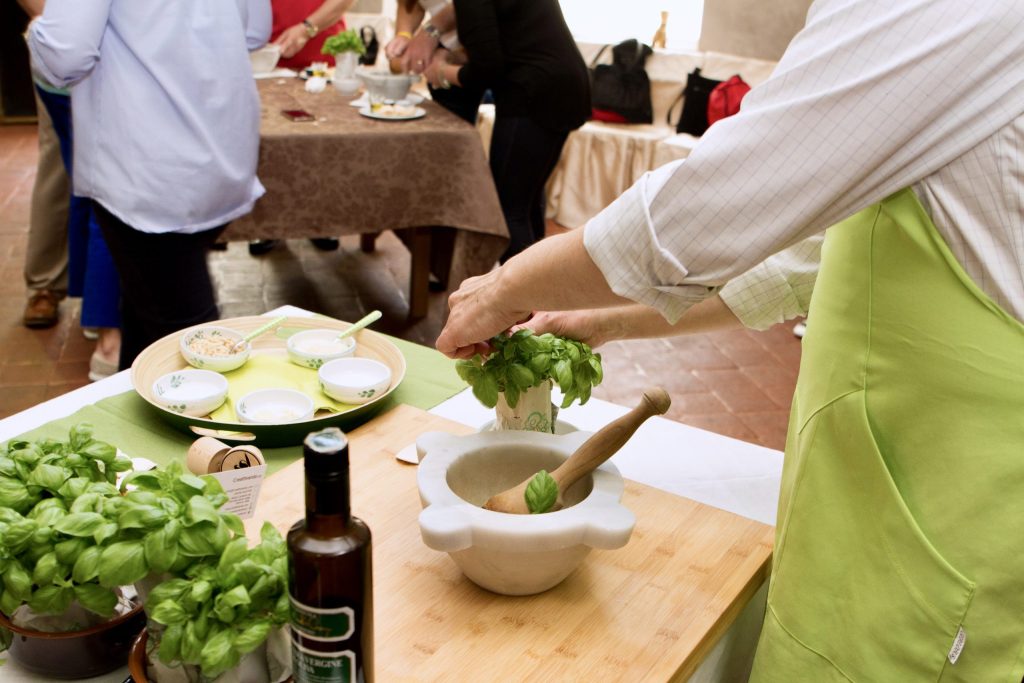
Pesto, Genoa, and Living Traditions
No discussion of Liguria Italy would be complete without pesto. Genoa is the birthplace of pesto genovese, and every two years the city hosts the World Pesto Championship, where competitors from around the globe prepare pesto by hand using mortar and pestle. These events underscore how culinary traditions in Liguria Italy are not museum pieces but vibrant, evolving expressions of identity.
Travel Logistics and Staying Local
Liguria Italy is surprisingly accessible. Genoa is about an hour to an hour and a half from Milan by train, and roughly five hours from Rome. Beautiful Liguria encourages travelers arriving in Rome to pause for a night or two before heading north, allowing the journey itself to become part of the experience.
Accommodation choices favor small, personality-filled boutique properties, often with just a handful of rooms. These are places where owners are known personally, where quality and character matter more than star ratings, and where hospitality reflects the rhythm of Liguria Italy itself.
Why Local Knowledge Matters
Many travel experiences are designed from afar. What distinguishes Beautiful Liguria is that it is run by locals who know every road, kitchen, guide, and guestroom they recommend. That intimacy translates into experiences that feel grounded rather than packaged.
Liguria Italy rewards travelers who are willing to look past the obvious and linger. Whether wandering Genoa’s medieval alleys, tasting chinotto in a tiny western village, or shopping in Chiavari’s morning market, the region reveals itself slowly—and memorably.
More to Read on Flavor of Italy About Liguria Italy
Exploring the Culinary Delights of Genoa
https://flavorofitaly.com/trips-travel/italian-regions/liguria/exploring-the-culinary-delights-of-genoa/
The Best Traditional Dishes in Genoa
https://flavorofitaly.com/flavor-of-italy-podcast/food-wine/best-traditional-dishes-in-genoa/
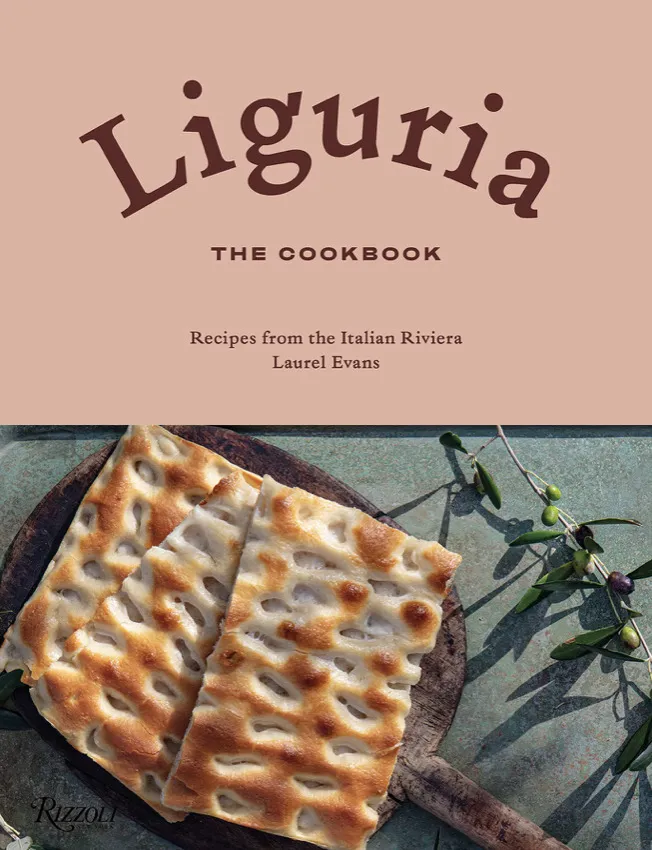
Liguria by Laurel Evans: The Best New Cookbook of 2021
https://flavorofitaly.com/flavor-of-italy-podcast/liguria-by-laurel-evans-the-best-new-cookbook-of-2021/
Towns and Villages in Liguria Worth Exploring
https://flavorofitaly.com/flavor-of-italy-podcast/towns-and-villages-in-liguria/
Flavors of the Liguria Region: The Best Food and Wine
https://flavorofitaly.com/flavor-of-italy-podcast/flavors-of-the-liguria-region-the-best-food-and-wine/


Please leave your comment here. Your feedback is important!