
How a Lagoon City Became a Crossroads of Cultures
Venice is often celebrated for its shimmering canals, magnificent architecture, and enduring romance. But during the Renaissance, this improbable city built in a lagoon was more than just a beautiful backdrop—it was one of Europe’s most important hubs for commerce, culture, and, above all, migration. As historian Rosa Salzberg explains in her book The Renaissance on the Road (Elements in the Renaissance) and in our recent Flavor of Italy Podcast episode (https://flavorofitaly.com/), migration was not a side note to Venice’s story—it was the story. From its earliest days, Venice was settled by refugees fleeing warfare on the Italian mainland after the fall of the Roman Empire. Over centuries, it transformed into a thriving emporium connecting Europe with the East, attracting merchants, artisans, pilgrims, and adventurers from across the known world.

A City Built on Movement
By the Middle Ages, Venice had grown into one of Europe’s largest cities, despite having virtually no natural resources of its own. Its power came from trade—acting as the middleman between Europe, the Byzantine Empire, and the Levant. In the Renaissance, Venice reached the height of its political influence, maritime reach, and cultural prestige. Migration during Renaissance Venice was constant and varied. Some people came to stay—merchants from Germany, Jewish traders and craftsmen, Greek artisans, and workers from Croatia and the Italian mainland. Others passed through: pilgrims en route to the Holy Land, sailors between voyages, soldiers awaiting orders, and the earliest forms of tourists—wealthy travelers eager to marvel at the city’s art, music, and theatrical innovations.
Enclaves and Hospitality
Venice’s government welcomed migration for its economic benefits, but it also sought to control it. Distinct communities formed, often with their own lodging houses or osterie (inns) that catered to specific languages, religions, and cuisines. The Fondaco dei Tedeschi near the Rialto housed German merchants, where German was spoken and the food matched familiar tastes. The Jewish Ghetto, established in the early 16th century, confined Jewish residents at night but also provided kosher lodging for Jewish travelers. Greek, Croatian, and mainland Italian communities brought their own traditions, workers, and skills to the city. These inns and private lodging houses weren’t just places to sleep—they were points of cultural exchange, where recipes, ideas, and stories traveled as freely as goods.
The “Undesirable” Migrants
Not all migration was welcomed. Just as today, the authorities distinguished between “desirable” and “undesirable” newcomers. Many Jewish migrants arrived after being expelled from Spain and Portugal. Refugees from war with the Ottoman Empire—especially poor Greek migrants—often crowded into Venice seeking safety. Others came fleeing famine, plague, or economic collapse in the Italian countryside. When resources were scarce or disease threatened, Venice could turn exclusionary, deporting migrants or banning ferrymen from bringing them into the city. It’s a pattern that echoes modern debates over immigration.
Food, Wine, and the Flavors of Migration
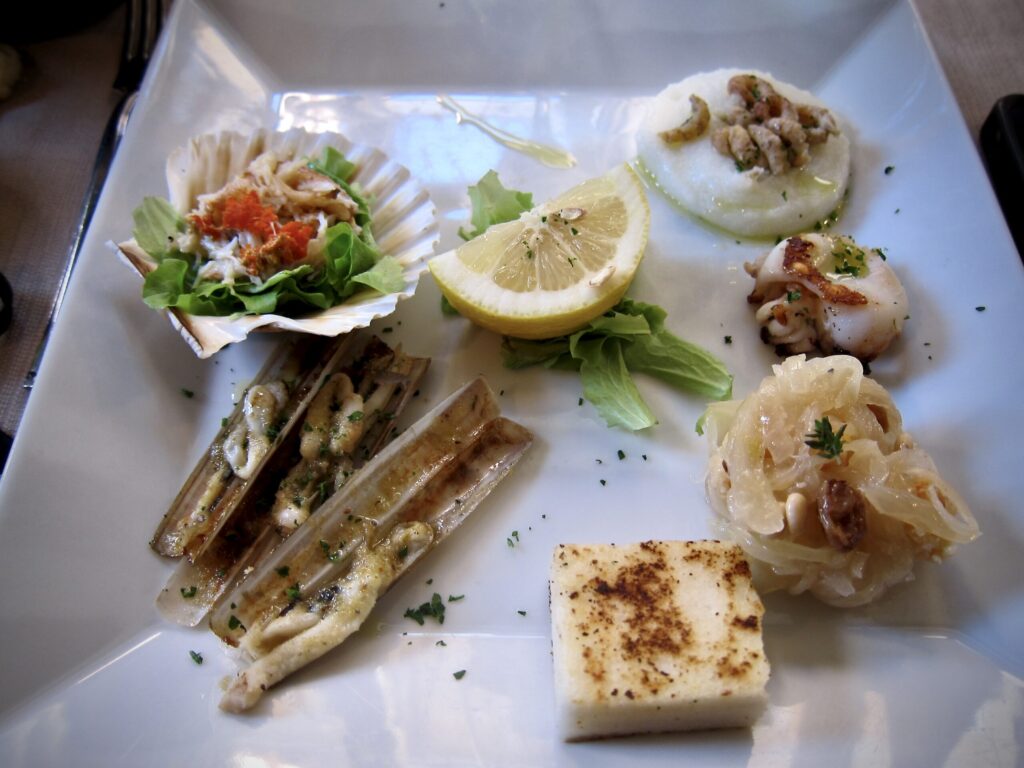
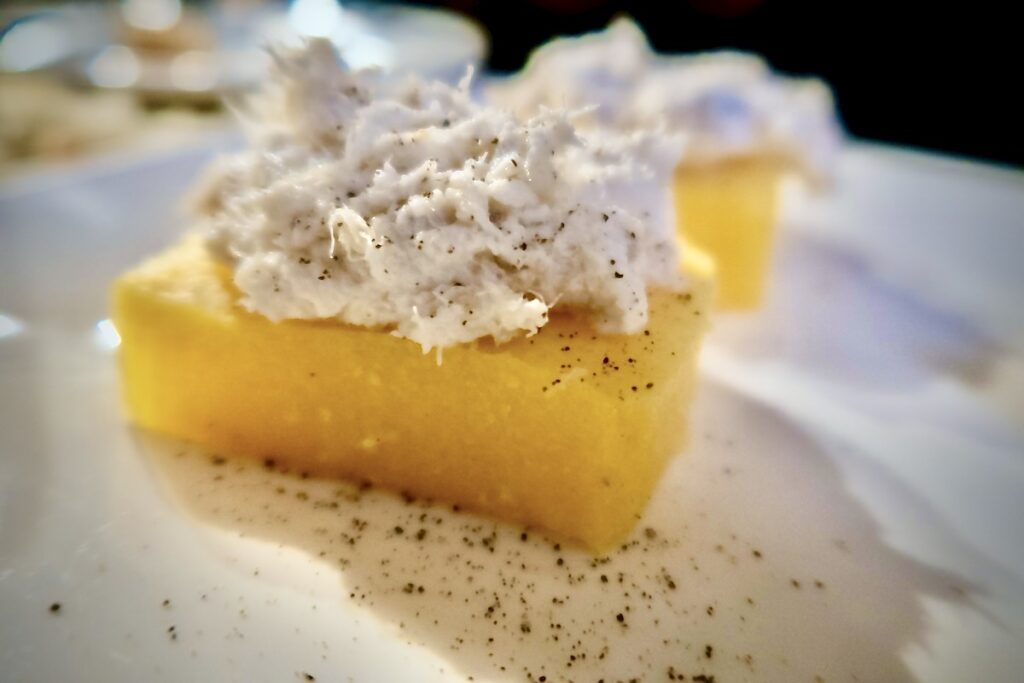
Venetian cuisine is a direct product of migration. Spices like cinnamon and cloves arrived through trade with the East, influencing dishes such as sarde in saor—sweet-and-sour sardines with onions, raisins, and spices. Migrants brought their own cooking methods, from German sauerkraut-making to Ottoman and Greek use of certain vegetables and legumes. Even the staples we think of as “Italian” today—like polenta and tomatoes—were introduced only after the 16th-century Columbian Exchange, reshaping Venetian and Italian cuisine forever.
Trade Then and Now
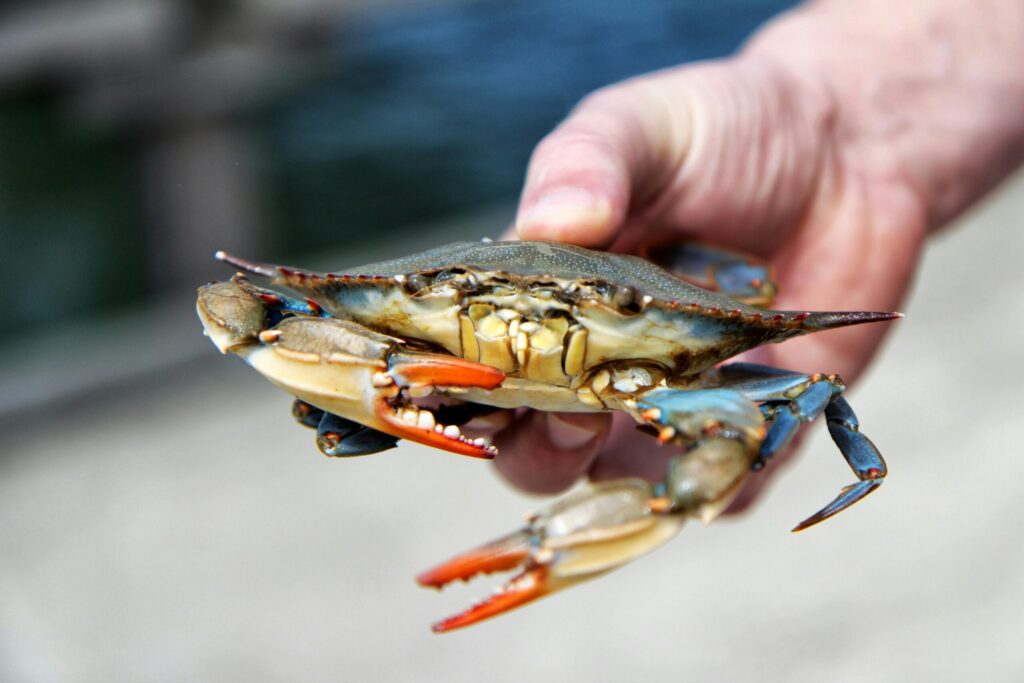
The Renaissance brought wealth and exotic goods to Venice, but it also carried risks—disease, invasive species, and cultural tensions. A modern parallel is the blue crab crisis in the Venetian lagoon and Italian waters, caused by invasive crabs arriving in ships’ ballast water. These predators have devastated clam populations, echoing historical moments when trade altered the local ecosystem.
From Renaissance Migration to Modern Tourism
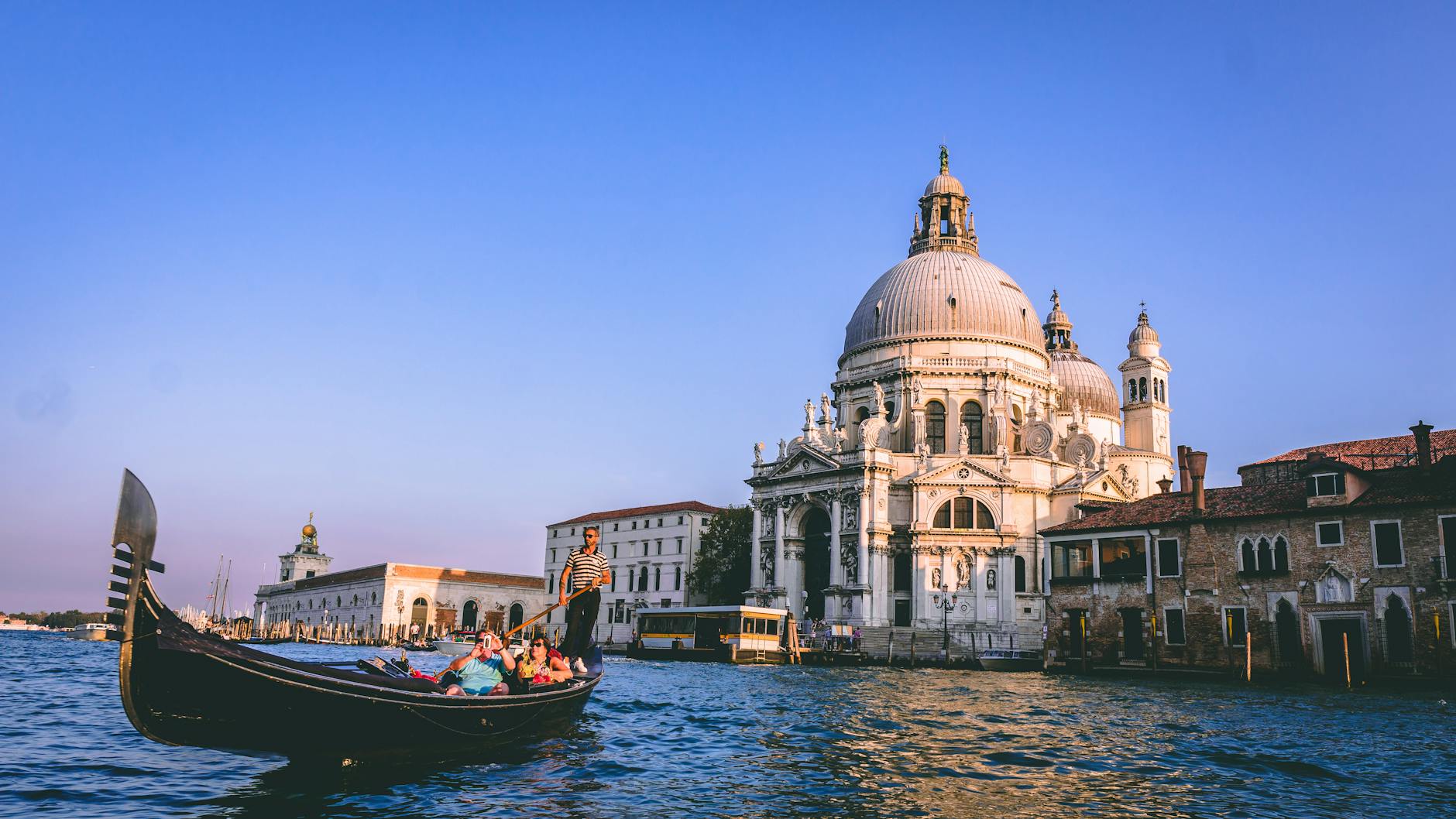
Venice remained a magnet for migration for centuries, but by the modern era, migration slowed and mass tourism took over. Today, the city still receives millions of visitors each year, but far fewer people come to live and work permanently. This shift—from a hub of trade and migration to a tourist destination—has profoundly changed the city’s character.
Explore the Hidden Histories of Venice
For those intrigued by this history, Rosa Salzberg recommends the free Hidden Venice app (Rosa provided the content), available via Apple Store apps and Google Play, developed by historians to guide visitors through lesser-known neighborhoods and migration sites, including the Greek community in Castello. It’s a chance to see the city beyond its postcard views.

Related Venice Stories on Flavor of Italy
If you enjoyed learning about Migration during Renaissance Venice, you might also like these Venice-focused posts:
Have a question or want to leave your own tips and recommendations? Click here to leave a comment:
Leave a Comment- The Flavor of Venice
- The Glassmaker
- Venice: insider’s guide to the best wines + 4 wineries to visit
- Mystery and intrigue in Venice: Tintoretto and the Paradise



Please leave your comment here. Your feedback is important!