
How Fungus-Resistant Vines and PIWI Wines Are Shaping the Future of Italian Wine
In this week's podcast episode I chatted with sommelier and Italian wine expert Cynthia Chaplin all about PIWI wines. I came away knowing a lot more about this topic thanks to Cynthia's always invaluable Italian wine knowledge!
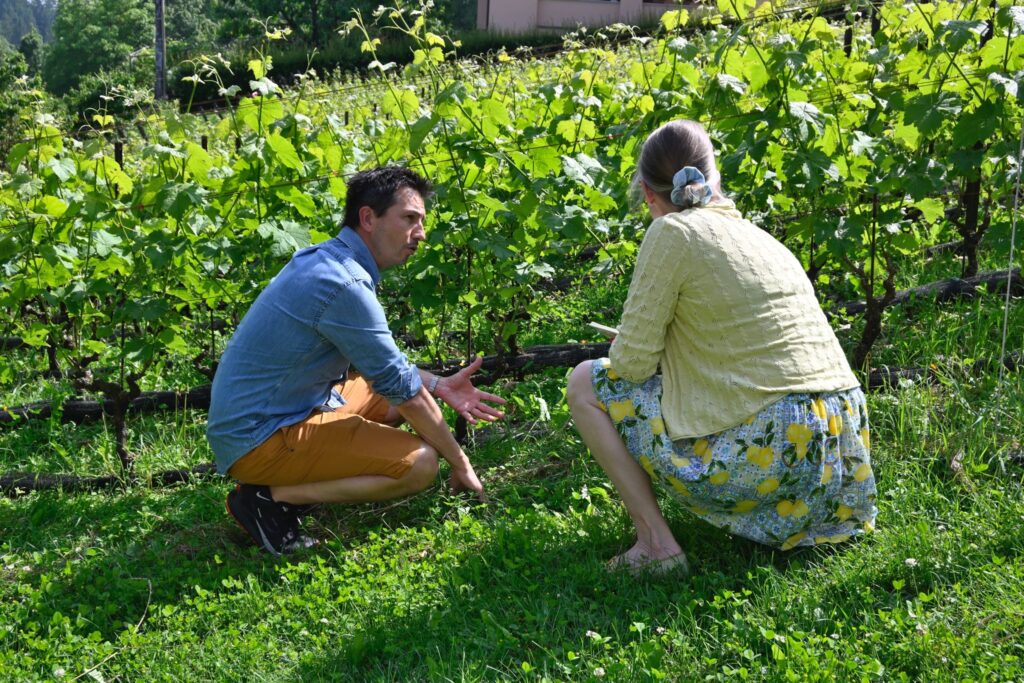
Photo credit: https://www.instagram.com/willchaplinphotography/
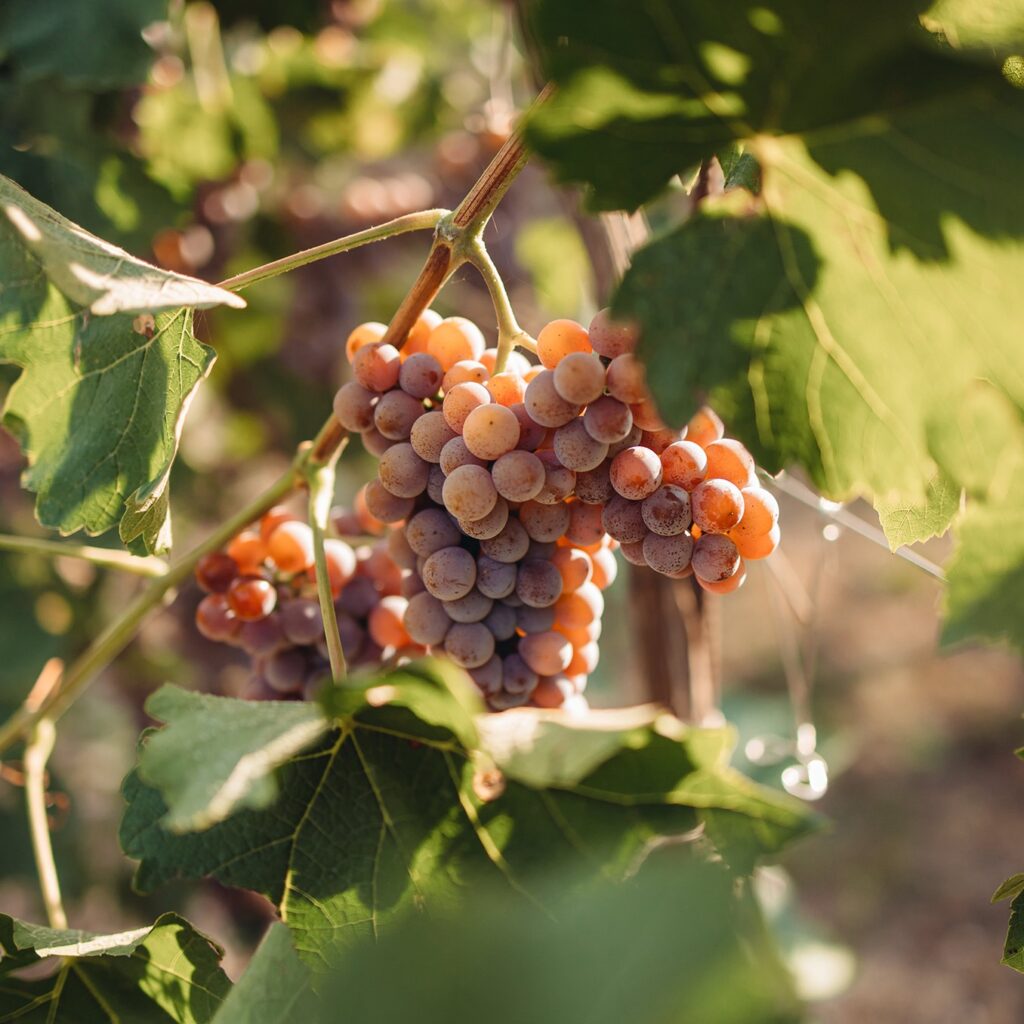
Photo credit
What Makes PIWI Wines Different?
Conventional European grapes often require 15-plus sprayings per season to ward off fungal diseases. PIWI vines, however, possess built-in resistance inherited from hardier American or Asian species. Many northern Italian growers report cutting treatments to just four or five passes per year, slashing water use, tractor emissions, and soil compaction—all without resorting to GMO technology. These are field crossings, not petri-dish creations, and the resulting wines remain legally vinifera under EU rules.
A Brief History of PIWI Wines and Vines
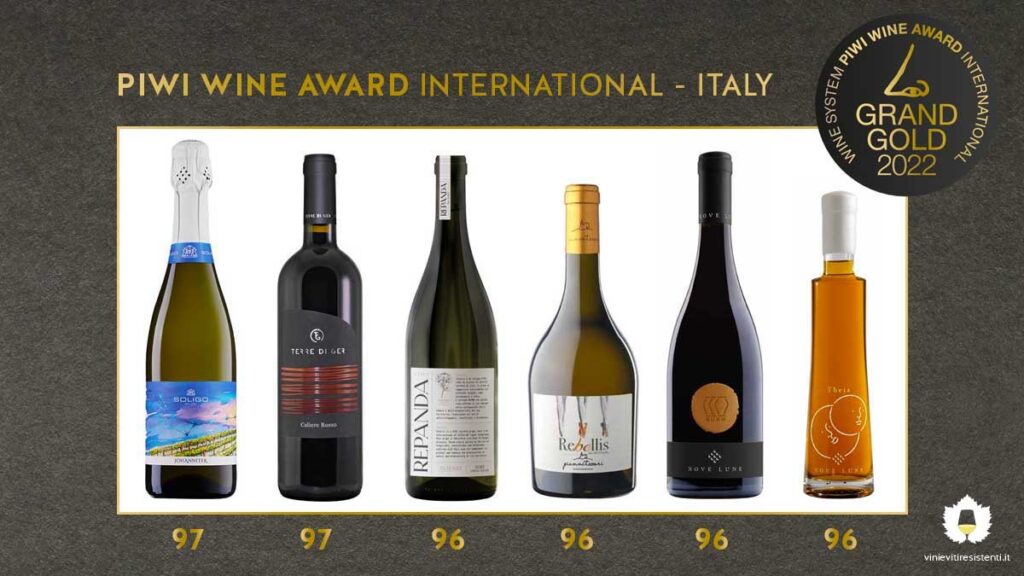
The first wave of research dates to the late 19th-century phylloxera crisis, when European vines were grafted onto American rootstock. Modern PIWI breeding accelerated in the 1960s and 70s at institutes in Geisenheim, Freiburg, and Trentino’s Edmund Mach Foundation. Today, varieties such as Johanniter (a Riesling cross), Regent (red), Souvignier Gris, and Sauvignon Kretos are spreading across Germany, Switzerland, Austria and—most rapidly—Italy’s Alpine arc.
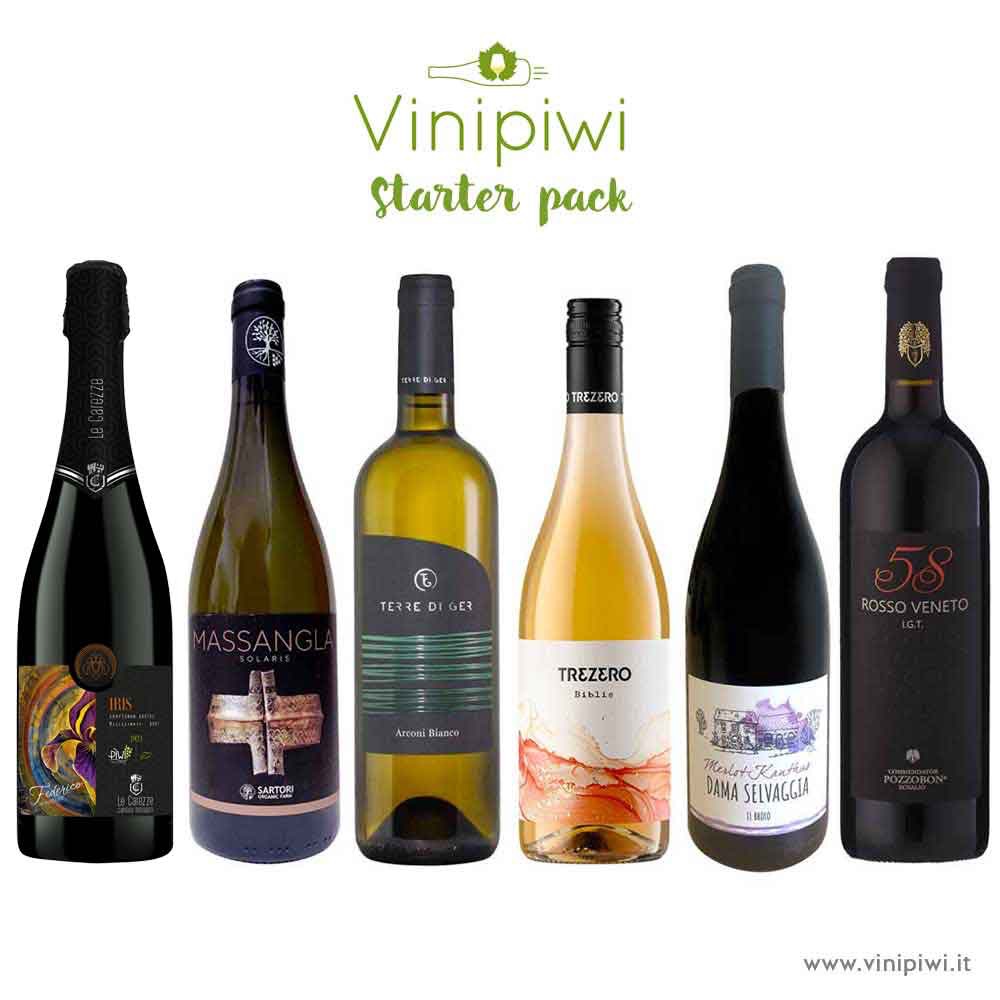
PIWI Wine Strongholds in Italy
- Alto Adige / Südtirol and Trentino
Mountain growers love PIWI vines because higher elevations no longer guarantee cool nights or mildew-free air. In Trentino, tiny “Jean del la Neve” vineyards at 900 m craft an aromatic Johanniter white that can fetch €150 a bottle. - Friuli-Venezia Giulia
Pioneer nurseries near Udine supply PIWI cuttings worldwide. Local estates bottle crisp, stone-fruited Souvignier Gris and spicy red Cabernet Cantor—perfect with San Daniele prosciutto. - Lazio’s Coastal Hills
Surprisingly humid summers have convinced innovative estates near Rome to trial Sauvignon Kretos and the dark-skinned variety Rösler. These wines remain IGP for now because no Italian DOC yet permits PIWI grapes—an issue many producers are lobbying to change.
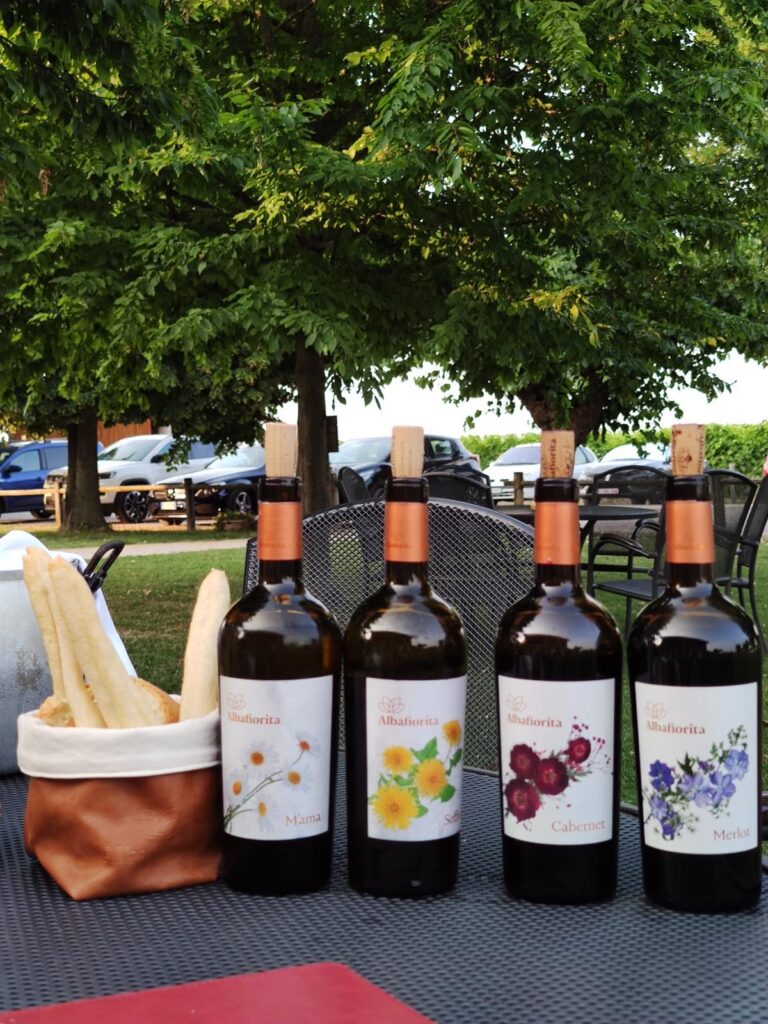
Tasting PIWI Wines: What to Expect
Quality has leapt forward in the past decade. Blind tastings often place PIWI wines alongside traditional labels with no detectable difference in aroma or complexity.
- Whites: think zesty citrus, alpine herbs, and saline minerality reminiscent of cool-climate Sauvignon Blanc or Riesling.
- Reds: fresh berry fruit, gentle tannins, and a vibrant acidity that make many PIWI reds ideal when served lightly chilled—spot-on for summer barbecue season.
When you find a bottle, look for the small circular PIWI logo or the grape name on the back label (Johanniter, Cabernet Cortis, etc.). If your local merchant hasn’t yet heard of PIWI Wines, ask—curiosity drives availability.
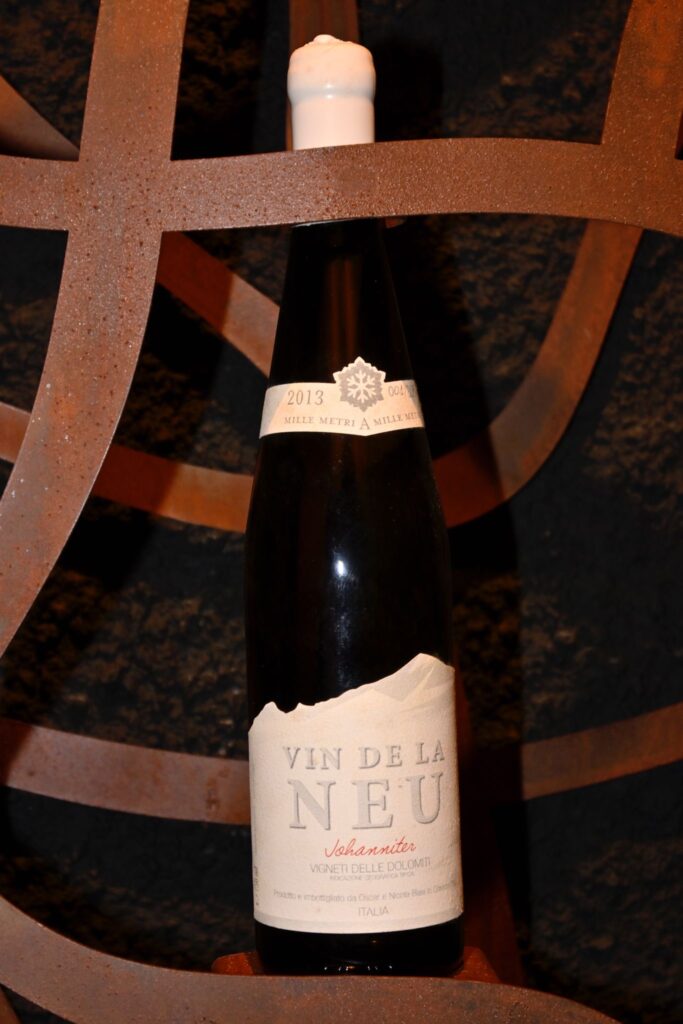
Photo credit: https://www.instagram.com/willchaplinphotography/
Why PIWI Wines Matter Now
- Environmental impact: up to 70 % fewer sprays mean lower carbon footprints and healthier vineyard ecosystems.
- Economic resilience: fewer tractor hours and chemical purchases help small growers stay profitable.
- Flavor continuity: these vines aim to preserve beloved wine styles—not replace them—by ensuring grapes can ripen fully despite warmer, stormier summers.
- Consumer trust: shoppers increasingly seek bottles with transparent, eco-forward stories. PIWI wines tick every box.
Have a question or want to leave your own tips and recommendations? Click here to leave a comment:
Leave a CommentTake-Home Tips for Wine Lovers
- Be adventurous. Pick up a PIWI bottle the next time you restock whites or rosés; you may not notice anything except how clean and vibrant the wine tastes.
- Think chillable reds. Regent and Rösler make juicy, mid-weight reds that shine at 12°C—ideal with grilled vegetables or a seared tuna steak.
- Ask questions. Sommeliers and shop owners often relish talking about PIWI research—use the keyword “PIWI wines” and see what conversation unfolds.
- Visit a PIWI vineyard. Many estates in Alto Adige, Trentino, and Friuli offer tours that highlight biodiversity corridors, cover crops, and water-saving irrigation—perfect for eco-minded travelers.
More Wine Conversations with Cynthia Chaplin
Keep exploring Italy’s dynamic wine scene with these Flavor of Italy podcast episodes and articles featuring Cynthia Chaplin:
- Lake Garda’s Hidden Rosé Paradise: The Valtènesi & Two Native Grapes
- Mount Etna in a Glass: Volcanic Wines That Soar
- Verdicchio & Beyond: Re-Discovering Marche Wine
- Holiday Bottles That Wow: Italian Wines for Festive Tables
- Blending Brilliance: How Italian Winemakers Craft Signature Cuvées
- Zero-Proof? Low-Alcohol? Navigating the New Health Debate
Whether you’re chasing volcanic reds or experimenting with the next generation of PIWI wines, pour a glass, stay curious, and toast to a more resilient Italian wine future.





Please leave your comment here. Your feedback is important!