
If you were looking out my window this morning, you’d notice that it was still dark. That’s partly because today is the last holiday of the Italian holiday season, La Befana, and partly because I was up early on purpose. I didn’t want to wake anyone in the house, and I wanted a quiet moment to share something special with you.
Today, I want to talk about L'Aquila, Abruzzo — a place many people still don’t know well, but one that carries one of the most important cultural stories in Italy right now.
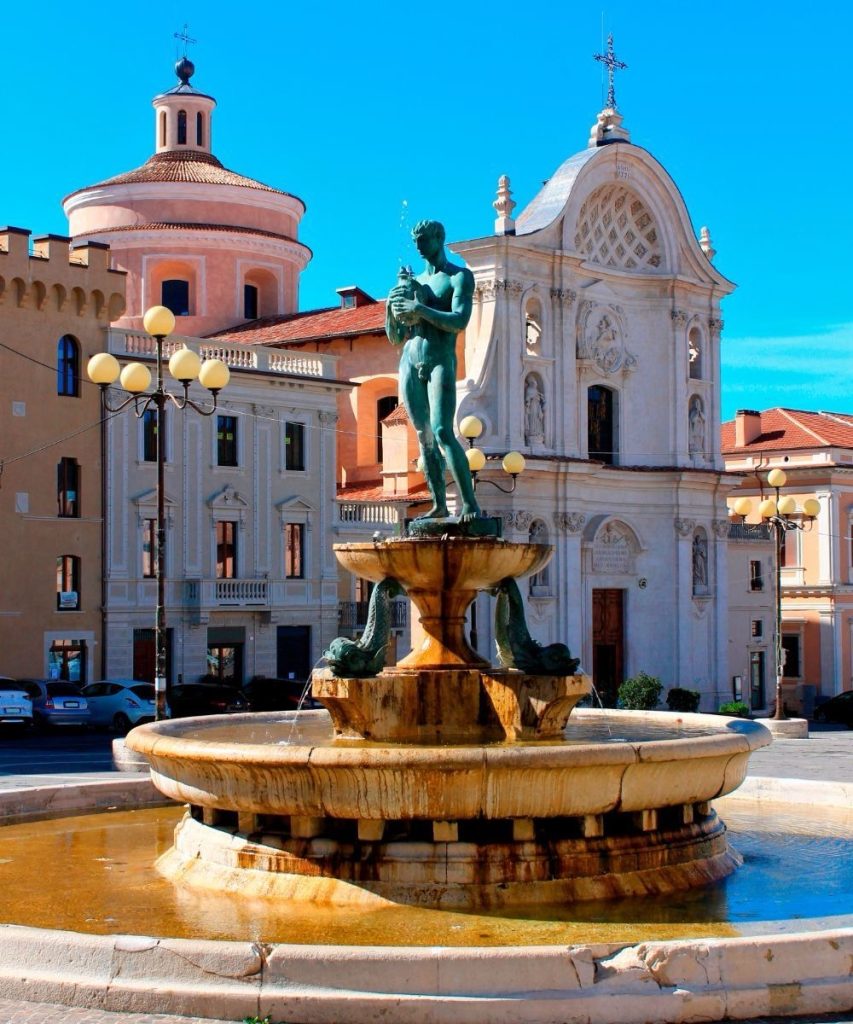
L’Aquila has been named Italian Capital of Culture for 2026. The designation coincides with a powerful anniversary: fifteen years since the devastating earthquake that forever changed the city. L'Aquila Abruzzo is not just being celebrated for what it has, but for what it has rebuilt, protected, and chosen to value.
What Is the Italian Capital of Culture?
Italy’s Capital of Culture is a national initiative launched in 2014 to highlight cities with strong cultural identities and forward-looking visions. Each year, one city is selected through a competitive process that requires detailed proposals covering cultural programming, urban regeneration, education, and community involvement.
The goal isn’t simply to host events for a year. It’s to use culture as a practical tool — to strengthen local economies, support social cohesion, and encourage thoughtful tourism. Cities must show how art, history, food, education, and public space work together across the entire territory, not just in postcard-perfect historic centers.
In L'Aquila Abruzzo, this framework makes particular sense.
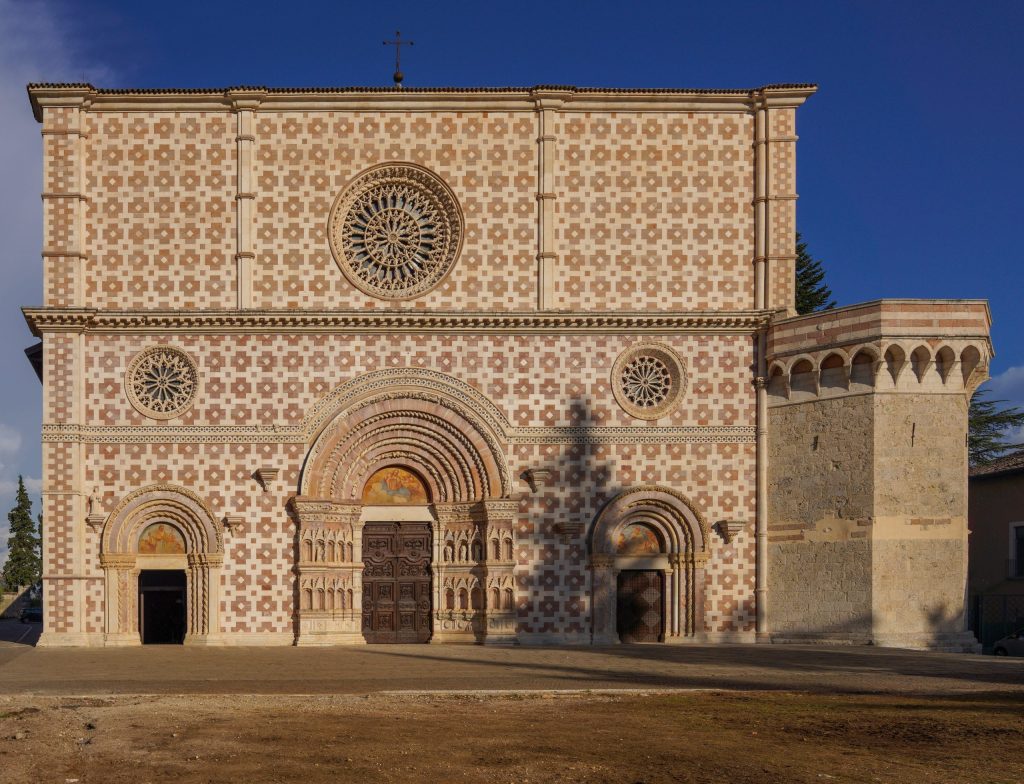
Photo credit: By Merulana - Own work, CC BY-SA 4.0, https://commons.wikimedia.org/w/index.php?curid=126004205
Is This the Same as the European Capital of Culture?
It’s easy to confuse the two, but they’re different initiatives. The European Capital of Culture is a European Union program that rotates among countries and often includes multiple cities in a single year.
The Italian Capital of Culture is entirely national. While both share similar goals, Italy’s program allows for a more focused, locally grounded approach. It gives cities like L’Aquila Abruzzo the space to tell their own stories on their own terms.
Why L’Aquila, Abruzzo Was Chosen
On April 6, 2009, a powerful earthquake struck L’Aquila Abruzzo and surrounding towns. More than 300 people lost their lives. Tens of thousands were displaced. Much of the historic center was destroyed or rendered inaccessible.
For years afterward, L’Aquila in Abruzzo became known for scaffolding, red zones, and unfinished reconstruction. Life moved outward, away from the center, while churches, palazzi, and civic buildings waited behind barriers.
What has happened since is not a quick comeback story. Rebuilding in L’Aquila Abruzzo has been slow, complex, and deliberate. Historic structures required careful seismic reinforcement. Funding and bureaucracy complicated timelines. Families lived with uncertainty.
And yet, piece by piece, the city returned.
What convinced the Capital of Culture selection committee was not only what L’Aquila Abruzzo endured, but how it chose to rebuild. Its application framed culture as something lived — present in neighborhoods, universities, associations, and daily routines — rather than something preserved behind glass.
The theme for 2026, One territory, a thousand capitals, reflects this idea. Culture extends beyond the city itself, reaching nearby villages, mountain communities, and the wider Abruzzo region.
What Will Happen in L’Aquila Abruzzo in 2026?
The 2026 program spans nearly the entire year and includes hundreds of events across disciplines.
There will be music, theater, dance, visual art, literature, and public installations, many of them designed to actively involve residents. Importantly, events won’t be limited to formal venues. They’ll take place in piazzas, cloisters, reopened churches, and urban spaces that were closed for years after the earthquake.
Highlights include new commissions for orchestras and choirs, international competitions for young artists, contemporary art exhibitions, and large-scale community performances that bring culture directly into the streets.
One particularly meaningful focus will be cultural projects connected to the 800th anniversary of the death of Saint Francis of Assisi, a figure deeply rooted in central Italy and closely associated with humility, care, and rebuilding.
This is not culture imposed from above. It’s culture developed with local institutions, universities, and residents, designed to leave lasting infrastructure and relationships well beyond 2026.
A Brief History of L’Aquila Abruzzo
Founded in the 13th century, L’Aquila Abruzzo occupies a strategic position in central Italy. According to tradition, the city was formed by the union of ninety-nine castles — a founding myth that still shapes its identity.
That origin story lives on most clearly in the Fontana delle 99 Cannelle, the Fountain of the 99 Spouts, one of the city’s most distinctive landmarks. Each spout represents one of the original settlements, reinforcing the idea that L’Aquila, Abruzzo has always been a city built from many parts.
Over the centuries, L’Aquila Abruzzo became a wealthy medieval city enriched by trade, religious institutions, and later Renaissance and Baroque influences. Its historic center, now largely restored, reflects those layers in stone.
Earthquakes are not new here. The city has experienced multiple seismic events over the centuries, and rebuilding has always been part of its story. What sets 2009 apart is the modern context and the sheer complexity of restoring a historic city in a contemporary world.
What to See in L’Aquila Abruzzo
L’Aquila Abruzzo is compact and walkable, making it ideal for a slow visit.
The Fontana delle 99 Cannelle is essential, not just as a monument, but as a way to understand the city’s origins. The Basilica of Santa Maria di Collemaggio, meticulously restored after the earthquake, is another must-see. Its reopening was a turning point for the city.
Simply walking through the historic center is rewarding. You’ll notice subtle signs of reconstruction everywhere — modern reinforcements integrated into medieval structures, new uses for old spaces, and a city that feels inhabited again.
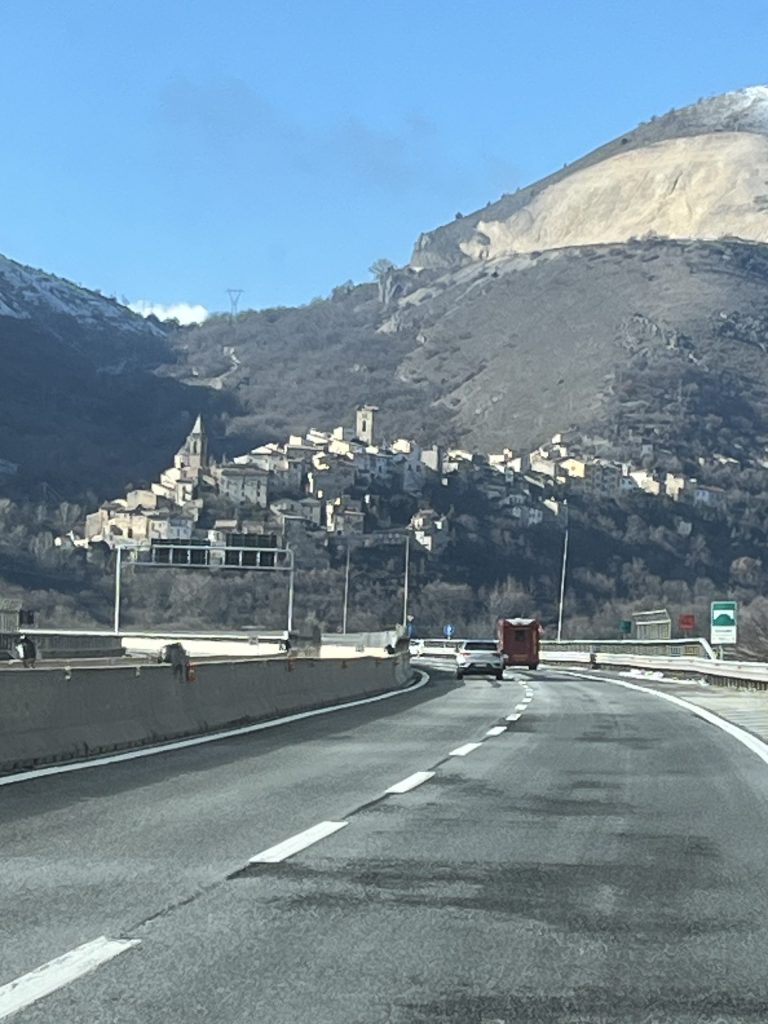
The surrounding landscape also matters. L’Aquila Abruzzo sits near the Gran Sasso massif, and the mountains shape everything from climate to cuisine.
Food, Saffron, and Local Identity
Food in L’Aquila Abruzzo reflects its mountain setting: practical, seasonal, and rooted in pastoral life.
One ingredient stands out in particular — saffron.
Just outside the city lies the Navelli plateau, where saffron has been cultivated since the Middle Ages. The high altitude, sharp temperature shifts, and mineral-rich soil create ideal growing conditions. Historically, saffron from this area was traded widely and contributed significantly to local wealth.
Production is entirely manual. Each crocus flower blooms briefly in autumn. The flowers are picked at dawn, and the stigmas are separated by hand — three threads per flower. Thousands of flowers are needed for a small amount of saffron.
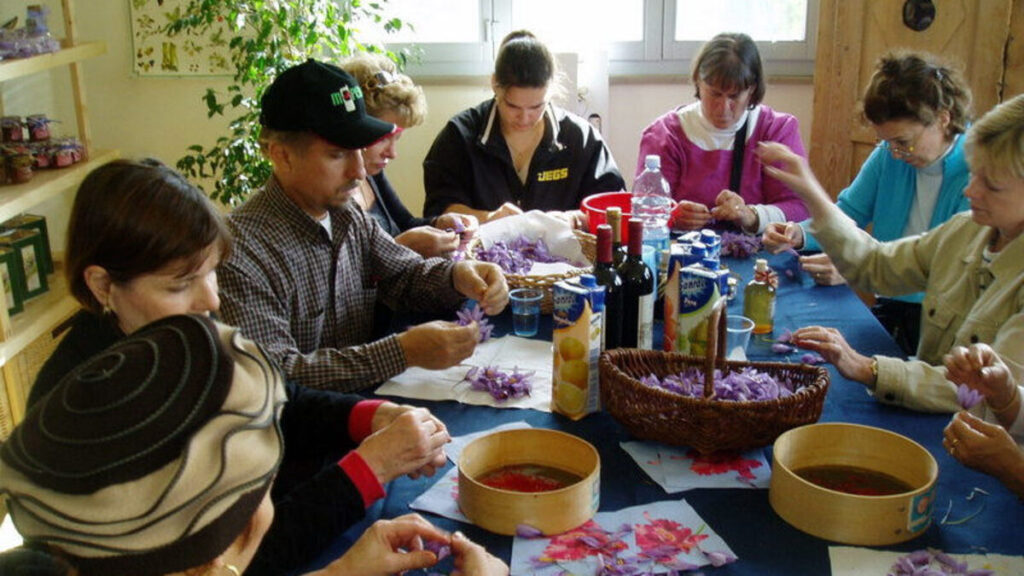
After the earthquake, some fields were abandoned, and production was at risk. In recent years, younger growers and cooperatives have worked to protect and revive this tradition, recognizing saffron not just as an ingredient, but as cultural heritage.
Saffron is used sparingly in L’Aquila Abruzzo cooking — infused into warm water, added carefully to doughs, broths, and desserts. It’s not decorative. It’s part of everyday food culture.
How to Visit L’Aquila, Abruzzo From Rome
L’Aquila, Abruzzo is only about 100 kilometers from Rome. By car, the drive takes roughly an hour and a half and offers beautiful mountain scenery.
There are also regional train connections, sometimes combined with short bus or taxi transfers. While not high-speed, they’re manageable and scenic.
Because of this proximity, L’Aquila works very well as a day trip from Rome. You can leave in the morning, explore the historic center, enjoy a long lunch, visit cultural sites, and still be back in Rome by evening.
Suggested Day Trip Itinerary: Rome to L’Aquila Abruzzo
Morning
Leave Rome early in the morning to make the most of the day. By car, the drive to L’Aquila Abruzzo takes about an hour and a half, following the A24 autostrada through increasingly mountainous scenery. If you prefer public transport, regional train and bus combinations are available, though driving - or hiring a private driver - offers the most flexibility and fastest arrival times. Trains are too slow for a day trip.
Begin your visit at the Basilica di Santa Maria di Collemaggio, one of L’Aquila’s most important landmarks. The basilica is closely tied to the city’s identity and was meticulously restored after the 2009 earthquake. Its reopening marked a turning point in the city’s recovery.
From there, make your way to the Fontana delle 99 Cannelle, the Fountain of the 99 Spouts. Built in the 13th century, it reflects the city’s legendary origins as a union of ninety-nine castles. It’s one of the most distinctive monuments in L’Aquila Abruzzo and well worth seeing in person.
Late Morning to Lunch
Spend some time walking through the historic center, which is compact and easy to navigate on foot. As you walk, you’ll notice how reconstruction has been integrated into historic buildings rather than replacing them. This is part of what makes L’Aquila in Abruzzo so interesting to experience now.
Traditional Abruzzese dishes reflect the region’s mountain culture and seasonal ingredients. Explore local food traditions before your visit to L'Aquila, Abruzzo.
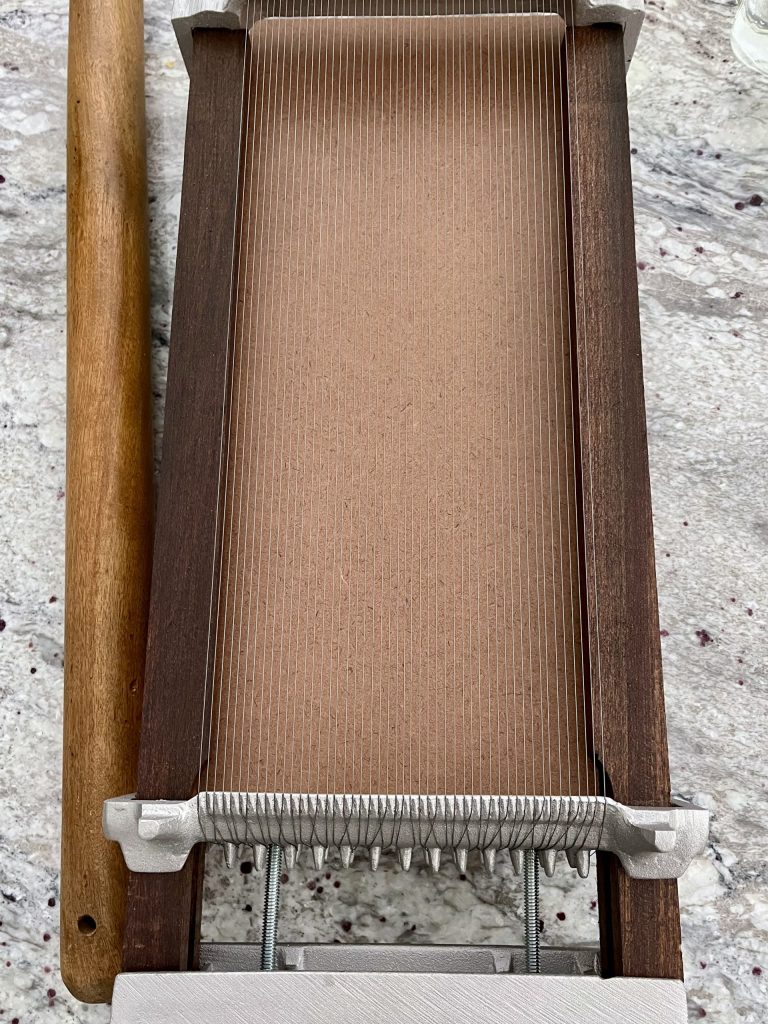
After spending the morning exploring the historic center, it’s time to sit down for lunch and experience one of the dishes most closely associated with L’Aquila Abruzzo: pasta alla chitarra. Gambero Rosso has highlighted several restaurants in the city that prepare this dish particularly well, each offering a slightly different interpretation rooted in local tradition.
Antica Trattoria Dei Gemelli dal 1970
A long-established trattoria in the historic center, known for traditional Abruzzese cooking and house-made pasta. Their chitarra dishes often feature seasonal ingredients such as local truffles or simple, well-balanced sauces that let the pasta shine.
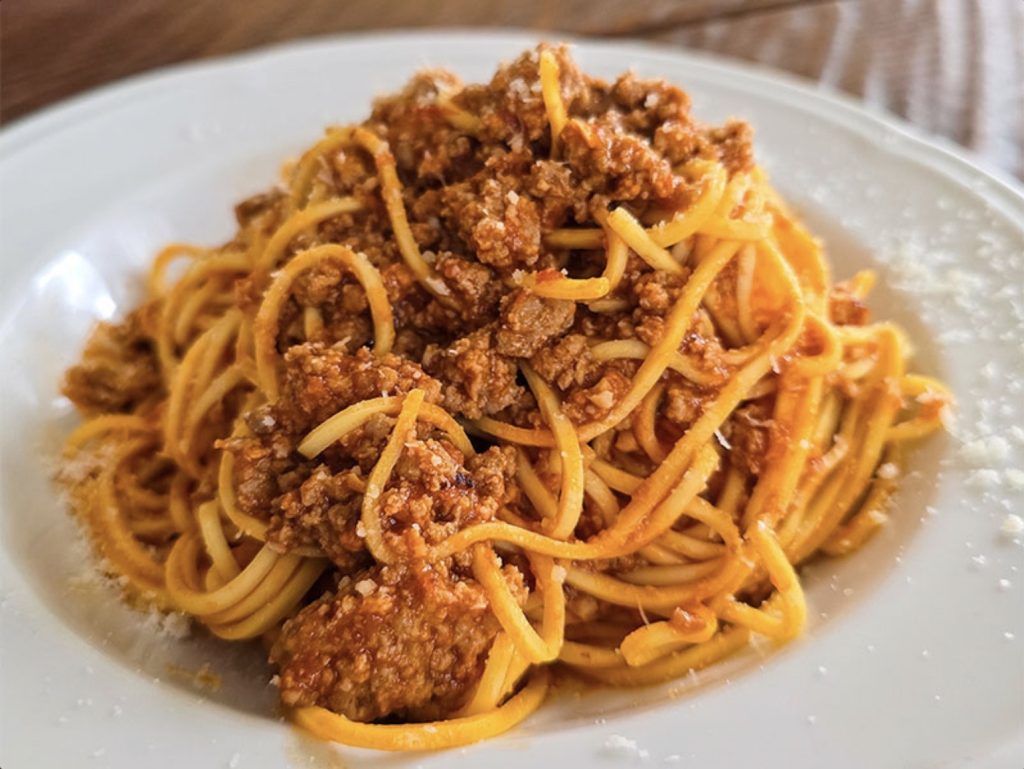
Osteria Corridore dal 1964
Located just outside the very center, this historic osteria is known for a thoughtful, evolving menu that still stays firmly grounded in tradition. Pasta alla chitarra here may be paired with ingredients like trout, wild herbs, or regional cheeses, depending on the season.
Osteria da Giorgione at Hotel Aquila
A relaxed and welcoming option near Piazza Duomo, this osteria offers classic regional dishes in a comfortable setting. Their pasta selections often include chitarra prepared with saffron, truffle, or meat-based sauces, alongside well-executed grilled meats.
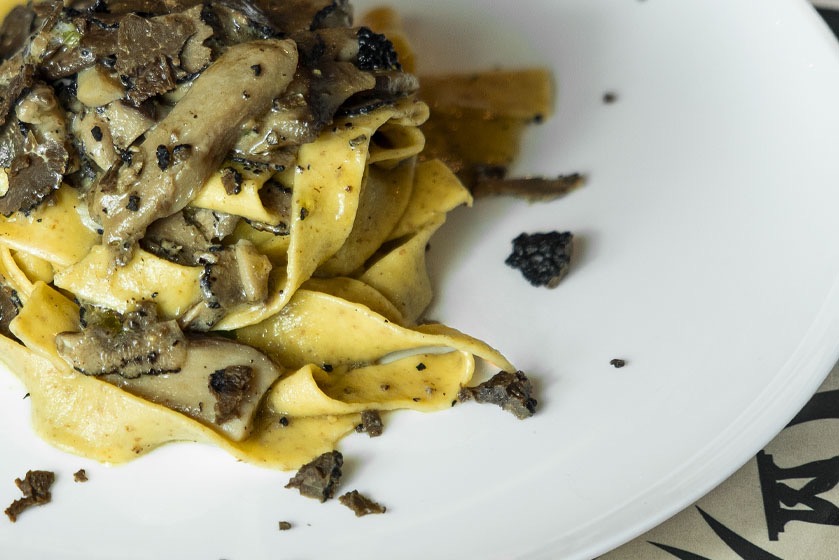
L’Osteria La Fenice alle 99 Cannelle
Conveniently located near the Fontana delle 99 Cannelle, this trattoria blends traditional recipes with a slightly contemporary approach. Chitarra dishes sit alongside lamb specialties, seasonal vegetables, and local desserts, making it a good stop if you want to connect food with place.
All of these restaurants have been recognized by Gambero Rosso for their commitment to regional cooking and offer an excellent way to experience the flavors of L’Aquila Abruzzo in a single meal.
Afternoon
After lunch, continue exploring on foot. Visit a few of the restored churches and civic buildings, or step into one of the smaller museums that help tell the story of the city before and after the earthquake. If you’re interested in the academic life that has played an important role in L’Aquila’s recovery, the University of L’Aquila remains a central presence in the city.
Before leaving, stop for a coffee or pastry at a local bar. This is one of the best ways to observe daily life and get a sense of how the city functions now — lived in, active, and forward-looking. Time permitting, take advantage of one of the Capital of Culture events taking place on the day of your visit.

Evening
Begin the return to Rome in the early evening. You’ll arrive back in the city with a much broader understanding of central Italy — and a sense of how close, both geographically and culturally, L’Aquila Abruzzo really is.
Let me set up your Aquila Abruzzo day trip experience
Flavor of Italy offers customized day trips to L’Aquila Abruzzo focused on food, culture, and local experience rather than checklist sightseeing.
If you’re interested, you can reach me directly by email at wendy@flavorofitaly.com.
Dig deeper into Aquila and Abruzzo
The unexplored little-known Abruzzo Region's Food Experiences
Sulmona: A Hidden Gem in the Heart of Abruzzo
Domenica Marchetti & Abruzzo Food


Please leave your comment here. Your feedback is important!