
Inside Rome’s Italian Designer Sartoria Litrico
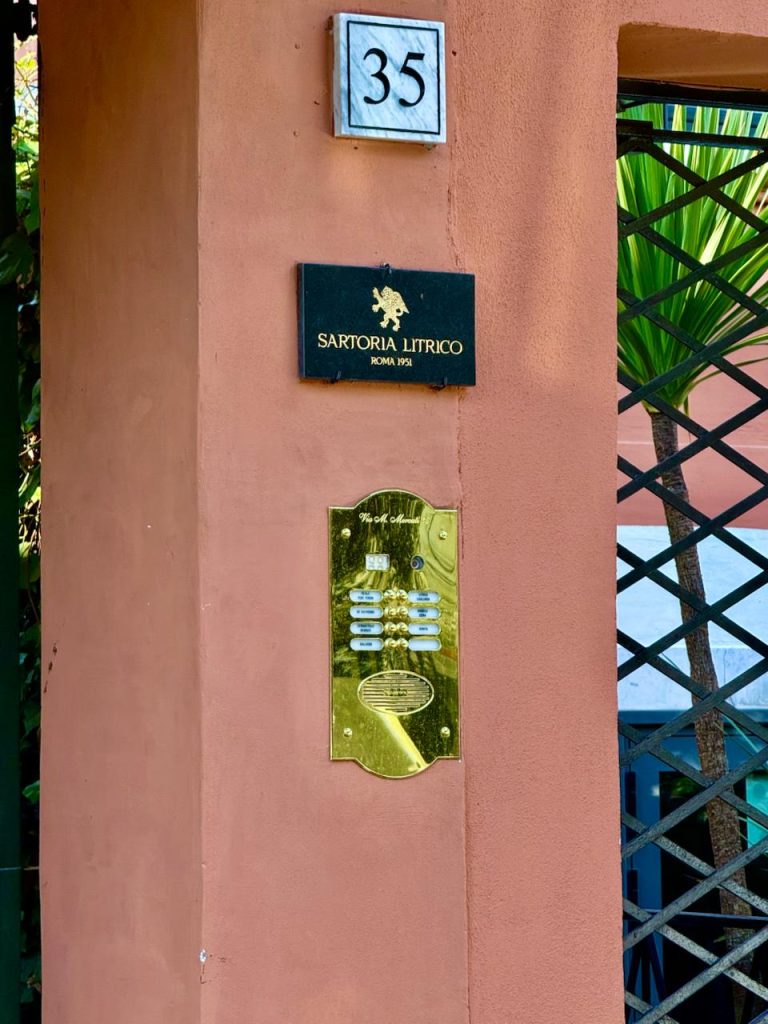
Rome has always been a city where power, culture, and aesthetics intersect. Politics meets art, ceremony meets daily life, and nowhere is that more visible than in the world of Italian designers who work quietly behind the scenes, shaping how leaders, artists, and thinkers present themselves to the world. One of the most remarkable of these is Sartoria Litrico, a Rome-based bespoke tailor now in its third generation and officially recognized as one of the city’s historic artisans, by the Italian Ministry of National Historical Value.
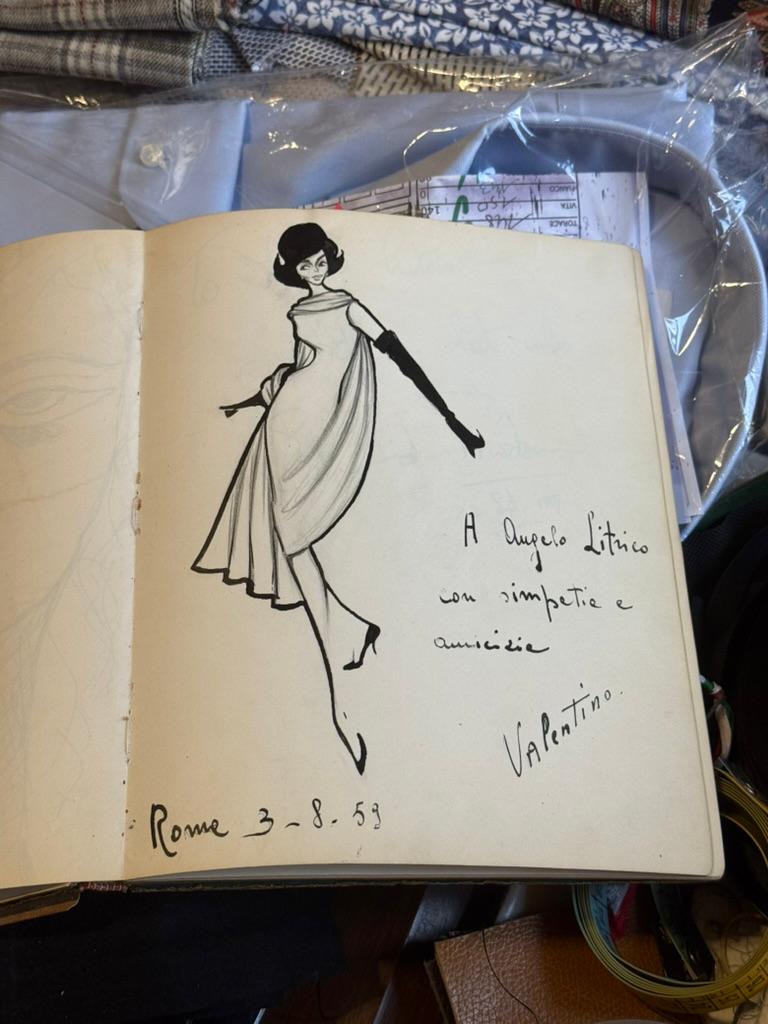
In my recent podcast conversation with Luca Litrico, I was reminded that Italian designers are not just stylists or trendsetters. At their best, they are observers of human nature, historians of the body, and translators of personality into fabric. Sartoria Litrico’s story is not simply about suits—it is about how Italian craftsmanship shaped the visual language of the 20th century.
From Sicilian Fishermen to Roman Icons
The Litrico story begins far from the salons of Rome, in a humble fishing family in Sicily. Luca’s uncle, Angelo Litrico, was born into a world where sons were expected to follow their fathers to sea. Instead, he chose tailoring—learning the craft stitch by stitch in local workshops before leaving for Rome in 1945, just as Italy emerged from the devastation of World War II.
Rome at that moment was becoming something new. The era of La Dolce Vita was beginning, and the city was filling with artists, actors, politicians, and foreign dignitaries. Like many great Italian designers, Angelo Litrico understood that mastering tailoring meant mastering the human form. Design came second to construction. To shape style, you first had to understand bodies.
A pivotal moment came one evening at the opera, when Angelo arrived wearing a striking green tuxedo of his own making. Among those who noticed were film stars who would soon introduce him to the elite circles of Rome. Orders followed, and with them, international attention. Sartoria Litrico was no longer dressing “normal” clients—it was dressing the men shaping world events.
Italian Designer and Tailor Dressing World Leaders and Making History
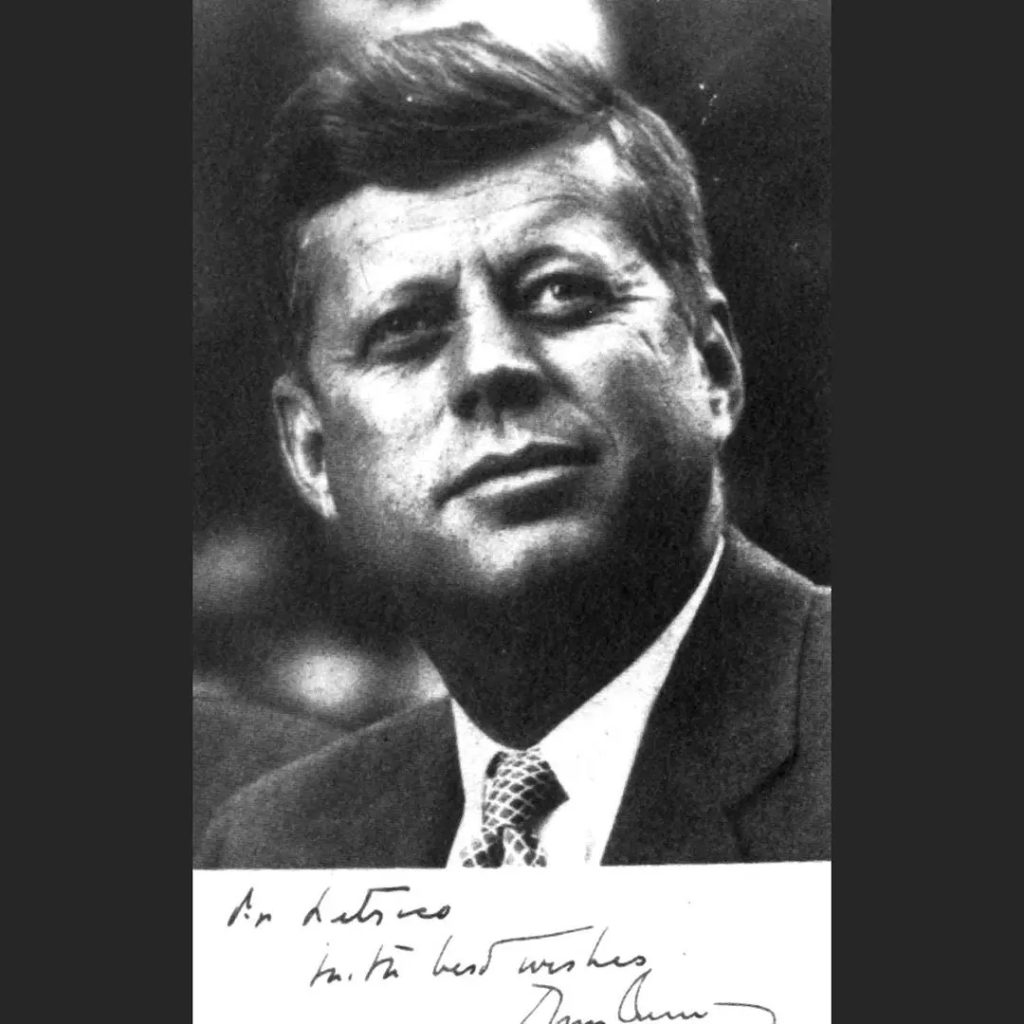
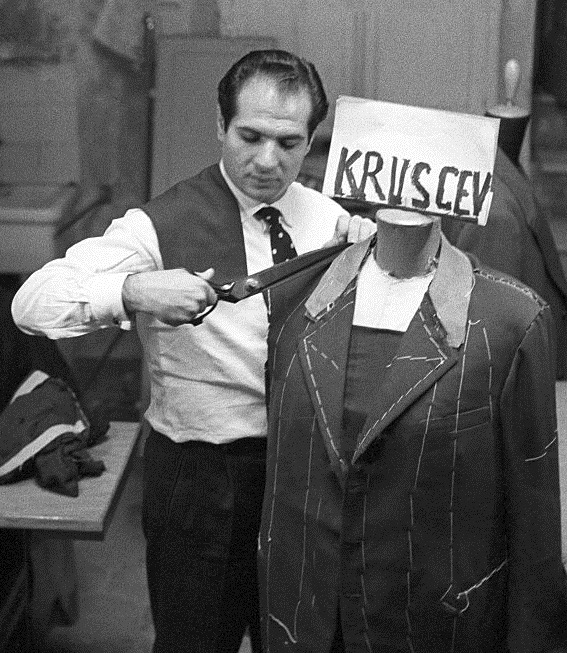
Few Italian designers can claim a client list as extraordinary as Sartoria Litrico’s. Over the years, the atelier created bespoke suits for John F. Kennedy, Dwight Eisenhower, Nikita Khrushchev, and many other heads of state and cultural figures. Even Christiaan Barnard, the surgeon who performed the world’s first successful heart transplant, was a regular presence in the atelier.
One of Kennedy’s suits—returned to the family after his assassination—has since been declared a cultural treasure by the Italian Ministry of Culture. It has traveled the world as part of major museum exhibitions, standing alongside creations by other iconic Italian designers and fashion houses. These garments are no longer just clothing; they are historical documents.
Sartoria Litrico also helped shape modern menswear beyond bespoke tailoring. In the late 1950s and early 1960s, the house collaborated with industrial partners to develop some of the earliest ready-to-wear men’s suits, bringing Italian tailoring principles to a wider audience without abandoning elegance or proportion. This dual role—artisan and innovator—places Litrico squarely among the most influential Italian designers of the postwar era.
Tailors as Designers: An Italian Truth
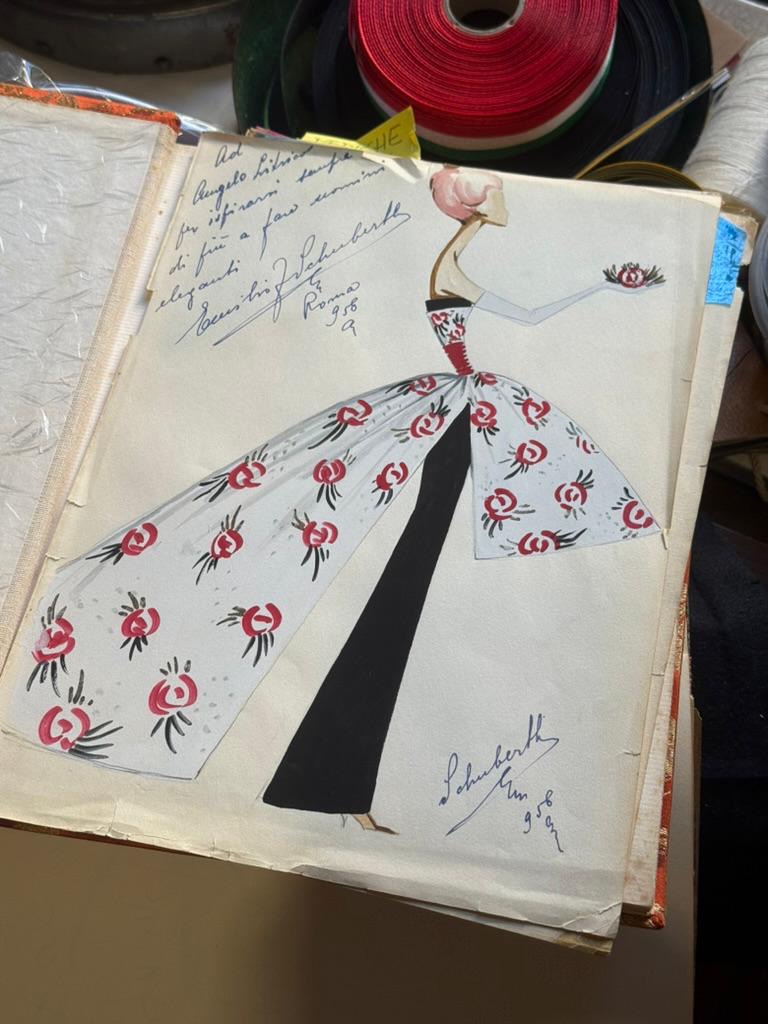
During my conversation with Luca, one point stood out clearly: in Italy, tailors have always been designers by necessity. Long before global fashion brands dominated the market, Italian designers began with needle, chalk, and scissors. Only by understanding how cloth moves on a body could they invent new silhouettes.
This lineage connects Sartoria Litrico to a broader tradition that includes names like Giorgio Armani, who also began as a tailor before redefining modern elegance. For Luca, this shared origin explains why true originality is becoming harder to find today. Mass production and marketing can overwhelm individuality, while bespoke tailoring insists on difference.
How Sartoria Litrico Works Today
Sartoria Litrico is not a shop you wander into while sightseeing in Rome. Visits are by appointment only, a necessity rather than a formality. Each commission begins with conversation—about lifestyle, profession, posture, psychology, and how a client wants to communicate with the world.
Every garment is one of a kind. Fabrics, linings, stitching, buttons, and proportions are chosen specifically for the individual. This is luxury in the Italian sense: not excess, but rarity. Not price alone, but difficulty of replication. For clients unable to travel, Luca also offers a worldwide bespoke service, bringing fabrics and expertise directly to them.
In a market crowded with logos, Sartoria Litrico stands apart by doing what Italian designers have always done best: making clothes that belong to one person and one person only.
Discover More Italian Designers on Flavor of Italy
If the world of Sartoria Litrico intrigues you, there is much more to explore on flavorofitaly.com. Over the years, I’ve shared stories of Italian designers and historic artisans working in fields that go far beyond fashion—from master tailors and textile specialists to glassmakers, architects, furniture designers, and craftspeople preserving regional traditions across Italy.
You’ll find interviews, essays, and travel insights that reveal how Italian designers shape everyday life, blending beauty with function and history with innovation. These are the voices and workshops that continue to define Italy’s creative soul—often quietly, always thoughtfully, and very much by design.
Here are a few to check out:
Missoni, Italian Designer
Luxury Italian shoe designer, Alessio Spinelli
Florence jewelry designer, Angela Caputi
5 artisanal Italian designers you need to know about!





Please leave your comment here. Your feedback is important!