
If there is one Italian wine that captures the warmth of the Mediterranean sun, the volcanic soul of a remote island, and the magic of holiday gatherings, it is Passito di Pantelleria. I recently chatted with Helen Bezane, a Sicilian-based sommelier and wine guide, to talk about this extraordinary wine and its deep connection to Pantelleria, the mysterious black-rock island that lies closer to Africa than to Sicily. You can follow Helen’s work and adventures at Bespoke Wine Tours Sicily at https://www.bespokewinetoursicily.com and on Instagram at Wine Perception: https://www.instagram.com/wineperception/?hl=en.

This conversation left me with renewed excitement about Passito di Pantelleria—why it deserves a place on your holiday table, and why it is one of the most evocative wines in all of Italy.
Pantelleria: The Island Behind the Wine
Pantelleria is unlike any other Italian island. You won’t find sandy beaches or crowded piazzas—just dramatic volcanic cliffs, wind-sculpted landscapes, Mediterranean scrub, caper plants that grow out of stone walls, and the distinctive dammusi houses built from black volcanic rock.
The climate is harsh and always windy. Water is scarce. Everything about agriculture here is heroic, and grape growing is no exception. Passito di Pantelleria is possible only because of the ancient alberello pantesco vine-training method, recognized by UNESCO in 2014. These low bush vines hug the ground, protected from fierce winds and scorching sun.
Helen knows this landscape intimately. Living in Sicily for more than a decade, she specializes in family-run wineries, indigenous grapes, and authentic winemaking traditions. Her wine tours often bring guests to Pantelleria, Etna, and the western Sicilian countryside to experience these traditions firsthand.

What Makes Passito di Pantelleria So Special
The grape behind Passito di Pantelleria is Zibibbo, also known as Moscato d’Alessandria. It is thick-skinned, intensely aromatic, and perfectly suited for the sun-drying process (called appassimento) that defines Passito.
Historically influenced by Arab culture, the very name “Zibibbo” comes from the Arabic word zabīb, meaning “sun-dried grape.” The method is ancient, and its results are extraordinary.

Here is how Helen describes the essence of the wine:
The Production Method
- Part or all of the Zibibbo grapes are laid out on drying racks under the blazing Pantelleria sun.
- They are dried until concentrated, raisined, and fragrant.
- These sun-dried grapes are then added to fresh must, creating a wine that balances luscious sweetness with fresh acidity and volcanic salinity.
This freshness is crucial. The best Passito di Pantelleria is never cloying or syrupy. Helen emphasizes that the natural salinity from sea winds elevates the wine, giving it lift, elegance, and remarkable longevity. A bottle can easily age 20 years or more.
Tasting Passito di Pantelleria: Aromas and Flavors
Expect layers of:
- Candied orange peel
- Sun-dried figs and dates
- Apricots
- Mediterranean herbs
- Honey
- Caramelized nuts (especially in older vintages)
- Salinity that brightens the palate
To Helen, drinking Passito di Pantelleria feels like “holding a Mediterranean sunset in your glass.”
How to Serve Passito di Pantelleria
- Temperature: 10–12°C, similar to a white wine
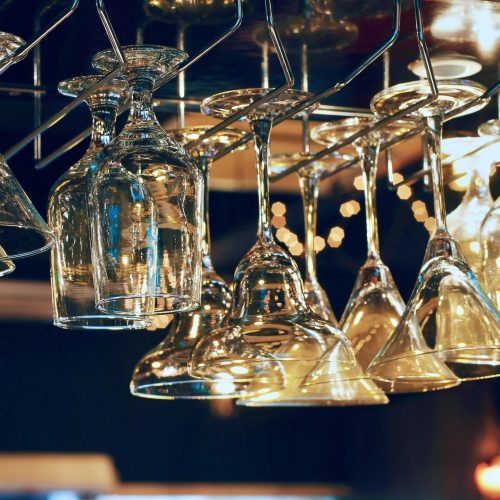
- Glass: a standard white wine glass (tulip shape) (never a tiny liqueur glass)
Giving the wine room to breathe allows its complexity to unfold.

Holiday Pairings: From Biscotti to Cheeses to Bold Surprises
Passito di Pantelleria is a dream with holiday desserts. Try it with:
- Sicilian buccellato
- Panettone
- Chocolate biscotti
- Cassata (not overly sweet versions)
- Dark chocolate

Helen also shared less traditional—and utterly brilliant—pairings:
Savory Pairings
- Aged Pecorino with apricot or orange marmalade
- Crostini with bottarga
- Dishes with anchovies or anchovy-infused sauces
- Foie gras or pâté

Her favorite? A dessert in Palermo made from breadcrumbs, ice cream, and anchovies—an unforgettable salty-sweet combination that pairs beautifully with Passito.
Wineries to Know
Helen highlighted several producers crafting exceptional Passito di Pantelleria:
- Abraxas – especially the “Donna 2014” vintage
- Salvatore Murana
- Bukkuram by Marco De Bartoli
- Rum by Marco De Bartoli (2022 vintage available internationally)
Marco De Bartoli was instrumental in reviving both Passito di Pantelleria and high-quality Marsala. His legacy continues through his children, who run the winery today. Helen often brings guests to his estates on her tours.
Where Passito Meets Marsala
Our conversation naturally drifted toward Marsala—another misunderstood Sicilian treasure. Most people know Marsala only as a cooking wine, but Helen made an excellent case for Marsala as a complex drinking wine that rivals Port and Sherry.
Marsala’s history is deep, winding from British merchants to Sicilian noble families, from explosive popularity to industrial decline, and now to a growing renaissance. Wineries like Marco De Bartoli are producing stunning pre-British style wines such as “Vecchio Samperi” using the perpetual (solera-like) method.
But that story deserves its own dedicated post—coming soon!
Why Passito di Pantelleria Belongs on Your Holiday Table
Because it brings sunshine to winter.
Because it’s steeped in history and made through heroic labor.
Because its flavors—figs, citrus, sea breeze, herbs, honey—are pure Mediterranean magic.
Because it pairs beautifully with desserts and savory dishes.
And because sharing Passito di Pantelleria offers the chance to tell the story of a small, wind-beaten island where vines grow like ancient sculptures and wine tastes like sunlight.
Further Reading on Flavor of Italy
Here are some Flavor of Italy blog posts and podcast show notes that pair beautifully with this deep dive into Passito di Pantelleria and Sicilian wines:
Pantelleria Island – volcanic landscapes, capers and island wine culture: https://flavorofitaly.com/flavor-of-italy-podcast/style-design-invention/pantelleria/
Sicily – regional hub with links to Pantelleria Island, Etna wines, cooking classes and more: https://flavorofitaly.com/trips-travel/italian-regions/sicily/
Exploring Sicily’s Mount Etna Wines – another volcanic wine story from Sicily: https://flavorofitaly.com/flavor-of-italy-podcast/wine/exploring-sicilys-mount-etna-wines/
Eating Your Way through Sicily – a culinary journey across the island: https://flavorofitaly.com/flavor-of-italy-podcast/eating-your-way-through-sicily-podcast-episode-14/
Sicilian Food & the Monsù Cuisine – the elegant fusion of French-influenced aristocratic cooking and Sicilian tradition: https://flavorofitaly.com/flavor-of-italy-podcast/sicilian-food-the-monsu-cuisine/
The Best Palermo Street Food – a delicious way to explore Palermo, where Helen lives and leads many of her wine and food experiences: https://flavorofitaly.com/trips-travel/italian-regions/sicily/the-best-palermo-street-food/
Ansonica: A Rare Grape Thriving on 3 Italian Islands – another look at island wine culture in Sicily, Giglio and Elba: https://flavorofitaly.com/flavor-of-italy-podcast/ansonica-a-rare-grape-thriving-on-3-italian-islands/


Please leave your comment here. Your feedback is important!